
What Is Oral Disease?
Oral disease refers to a wide range of conditions that affect the mouth, teeth, gums, tongue, and other areas of the oral cavity. While many people think of cavities as the main dental problem, oral diseases extend far beyond tooth decay. They include gum infections, oral cancer, bad breath, fungal infections, and other conditions that can significantly impact a person’s health and quality of life. In the United States, millions of people suffer from untreated oral health problems every year, making it an important public health concern.
Understanding the Causes of Oral Disease
1. Bacterial and Fungal Infections
The mouth is home to billions of bacteria, some helpful and some harmful. When harmful bacteria multiply due to poor hygiene or weakened immunity, they can lead to conditions like cavities, gingivitis, and even throat infections. Fungal infections such as oral thrush are also common, especially among people with compromised immune systems or those who use antibiotics frequently.
2. Lifestyle and Diet
Sugar-rich diets are one of the leading causes of oral disease. Foods and drinks high in sugar fuel bacteria that produce acid, which erodes enamel and causes tooth decay. Smoking and alcohol use are also major contributors, increasing the risk of gum disease, tooth loss, and oral cancer. A real-life example is seen in U.S. states with higher tobacco use, where rates of gum disease and oral cancer are significantly higher than the national average.
3. Poor Oral Hygiene Habits
Skipping brushing, not flossing, and avoiding dental visits all contribute to the buildup of plaque and tartar, which eventually leads to infections. One case often discussed in American dental health studies involves patients who only brush occasionally and rarely visit the dentist, resulting in advanced gum disease that requires extensive treatment.
Types of Oral Disease
1. Dental Caries (Cavities)
Cavities are the most common oral disease and occur when bacteria produce acids that wear away enamel. If untreated, they progress deeper into the tooth, causing pain and infections that may require root canals or extractions.
2. Periodontal Disease
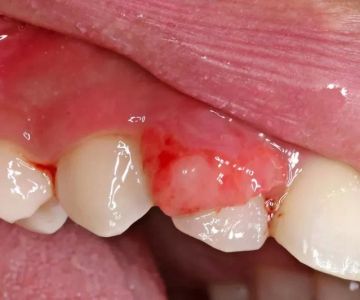
This condition includes gingivitis and periodontitis, both of which affect the gums. Gingivitis is the early stage, with symptoms like redness and bleeding. If left untreated, it can progress to periodontitis, leading to tooth loss and even affecting systemic health, such as heart disease and diabetes.
3. Oral Cancer
Oral cancer can develop in the tongue, lips, cheeks, or throat. It is often linked to smoking, alcohol use, and HPV infection. Early detection is critical for successful treatment, but many Americans only discover it in advanced stages due to lack of routine dental checkups.
4. Other Oral Conditions
Conditions such as oral thrush, bad breath (halitosis), and tooth erosion are also considered forms of oral disease. Though some may seem minor, they can signal deeper health problems and should not be ignored.
How Oral Disease Affects Overall Health
Oral disease does not only impact the mouth. Research has shown a strong connection between oral infections and systemic diseases. For example, gum disease has been linked to heart disease, respiratory infections, and complications in diabetes. This connection makes oral health care a key part of maintaining overall well-being.
Prevention and Treatment of Oral Disease
1. Daily Care at Home
Brushing twice daily with fluoride toothpaste, flossing once a day, and using an antibacterial mouthwash can significantly lower the risk of oral disease. Drinking water and maintaining a balanced diet also play important roles in prevention.
2. Regular Dental Checkups
Visiting the dentist at least twice a year helps catch problems early. Professional cleanings remove plaque and tartar that cannot be removed by brushing alone. Preventive care is often much more affordable and less painful than treating advanced oral disease.
3. Professional Treatments
Depending on the type of oral disease, treatments may include fillings, deep cleanings, gum surgery, antibiotics, or even cancer therapy. For families in the U.S. seeking trusted dental services, Family Dentistry Online offers guidance in finding reliable clinics and preventive care solutions.
When to Seek Help for Oral Disease
Warning signs such as persistent bad breath, bleeding gums, loose teeth, mouth sores that do not heal, or chronic sore throat should never be ignored. These symptoms may indicate oral disease and should be evaluated by a dental professional immediately to prevent complications.
Final Thoughts on Oral Disease
Oral disease encompasses a wide range of conditions that affect millions of Americans every year. From cavities and gum disease to oral cancer, these conditions can harm not only your mouth but also your entire body. With proper daily care, professional checkups, and healthy lifestyle choices, oral disease can be prevented or treated effectively. Taking oral health seriously is one of the best investments you can make in your long-term well-being.



 Dr. Raffi Melkonian, DDS4.0 (6 review)
 Sierra Family Dentistry4.0 (17 review)
 Dental Faculty Practice3.0 (37 review)
 High Tide Dental- Dr. Lucas Homicz, DDS5.0 (150 review)
 DK Orthodontics4.0 (258 review)
 Parker Dental & Orthodontics4.0 (4 review)
 The Importance of Oral Health Education During Pregnancy for a Healthy Pregnancy
 Best Tips for Brushing Your Teeth Properly for Healthy Gums: Essential Techniques for Oral Health
 Why Skipping Dental Checkups Can Lead to Bigger Oral Health Problems
 Advantages of Porcelain Dental Restorations
 How Can Diabetes Cause Tooth and Gum Problems? Preventing and Managing Oral Health Issues
 Healthy Habits for Promoting Good Oral Health and Hygiene: Tips for a Healthy Smile