
Understanding Oral Crohn's Disease
Oral Crohn’s disease refers to mouth-related symptoms and lesions that occur as part of Crohn’s disease, a type of inflammatory bowel disease (IBD). While Crohn’s is best known for affecting the digestive tract, it can also cause inflammation in the mouth, leading to discomfort, pain, and visible changes. These oral symptoms may appear before, during, or after gastrointestinal flare-ups, making them an important sign to recognize.
Take, for example, Lisa, a 29-year-old graphic designer from Chicago. She had been living with Crohn’s disease for years, but one day noticed painful ulcers inside her cheeks and swelling around her lips. Her dentist recognized these as possible signs of oral Crohn’s disease and referred her to a specialist. Addressing her oral symptoms not only improved her comfort but also helped track her overall Crohn’s management.
How Crohn’s Disease Manifests in the Mouth
1. Common Oral Symptoms
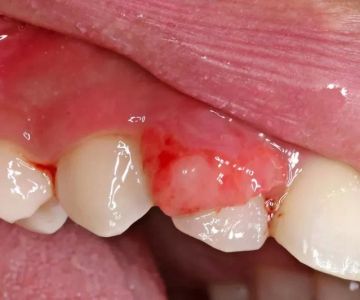
Oral Crohn’s can present with a variety of symptoms, including swollen lips, cobblestone-like textures inside the cheeks, painful ulcers, and redness or swelling in the gums. In some cases, these lesions are the first sign of an underlying IBD.
2. Differences from Common Mouth Sores
While canker sores are relatively common and often harmless, oral Crohn’s lesions tend to last longer, be more painful, and occur alongside other systemic symptoms like digestive issues, fatigue, or weight loss. This combination of symptoms helps healthcare providers differentiate between typical mouth sores and those related to Crohn’s disease.
3. Possible Complications
Without treatment, oral Crohn’s lesions can interfere with eating, speaking, and oral hygiene. Chronic inflammation may lead to secondary infections or nutritional deficiencies if pain discourages eating a balanced diet.
Causes and Triggers
1. Immune System Involvement
Crohn’s disease is an autoimmune-related condition where the immune system mistakenly attacks parts of the gastrointestinal tract, causing inflammation. In oral Crohn’s, this immune response extends to the tissues inside the mouth.
2. Role of Nutrition and Deficiencies
Nutritional deficiencies, particularly in vitamins B12, D, folate, and iron, are common in people with Crohn’s disease and can worsen oral symptoms. Addressing these deficiencies through diet or supplements can be an important part of treatment.
3. Environmental and Lifestyle Factors
Stress, certain medications, and dietary triggers can increase the risk of flare-ups, including oral symptoms. Identifying personal triggers can help in managing the condition more effectively.
Diagnosis and Medical Evaluation
1. Dental and Medical Collaboration
Because oral Crohn’s disease symptoms can mimic other conditions, diagnosis often involves coordination between dentists, gastroenterologists, and dermatologists. A biopsy of the oral tissue may be performed to confirm the presence of Crohn’s-related inflammation.
2. Identifying Early Warning Signs
For patients already diagnosed with Crohn’s disease, new oral symptoms can indicate a flare-up. For those without a known diagnosis, oral lesions may be an early clue leading to further investigation of gastrointestinal health.
3. Importance of Comprehensive Medical History
Understanding a patient’s medical history, including digestive symptoms, past flare-ups, and medication use, is crucial to forming an accurate diagnosis and effective treatment plan.
Treatment and Management
1. Medications
Treatment often includes anti-inflammatory drugs, immune-modulating medications, or corticosteroids prescribed by a gastroenterologist. Topical treatments, such as medicated mouth rinses, can help relieve local symptoms.
2. Oral Hygiene and Supportive Care
Maintaining excellent oral hygiene can reduce irritation and prevent secondary infections. Using a soft-bristled toothbrush, alcohol-free mouthwash, and avoiding spicy or acidic foods can help minimize discomfort.
3. Nutritional Support
Addressing deficiencies through dietary changes or supplements is essential for overall health and healing. Working with a nutritionist experienced in IBD can ensure an adequate and balanced intake of nutrients.
Living with Oral Crohn's Disease
While oral Crohn’s disease can be challenging, early recognition and proper management make a significant difference. With coordinated medical and dental care, individuals can reduce discomfort, prevent complications, and maintain a good quality of life. Monitoring mouth health also provides valuable insight into the broader progression of Crohn’s disease, helping both patients and healthcare providers take timely action.


 The Implant Center at Comprehensive Dental4.0 (421 review)
 Modern Dentistry Of Peoria4.0 (563 review)
 Advanced Family Dental & Orthodontics4.0 (216 review)
 Todays Dental Of Joliet (formerly Hammes Family Dental)4.0 (130 review)
 Kevin B. Sands, DDS5.0 (168 review)
 Kids Dental Land4.0 (602 review)
 The Importance of Oral Health Education During Pregnancy for a Healthy Pregnancy
 Best Tips for Brushing Your Teeth Properly for Healthy Gums: Essential Techniques for Oral Health
 Why Skipping Dental Checkups Can Lead to Bigger Oral Health Problems
 Advantages of Porcelain Dental Restorations
 How Can Diabetes Cause Tooth and Gum Problems? Preventing and Managing Oral Health Issues
 Healthy Habits for Promoting Good Oral Health and Hygiene: Tips for a Healthy Smile