
What Is Good Oral Hygiene and Why It Matters
Understanding the foundation of oral health
Good oral hygiene goes far beyond brushing your teeth twice a day. It’s a daily commitment to keeping your mouth clean, healthy, and free from disease. In simple terms, oral hygiene means caring for your teeth, gums, and tongue to prevent problems like cavities, gum disease, and bad breath. It’s not just about having a bright smile—it’s about maintaining your overall health.
The connection between oral health and overall wellness
Research from the American Dental Association (ADA) shows that poor oral hygiene is linked to serious health conditions like heart disease, diabetes, and even Alzheimer’s. The mouth is the gateway to the body, and harmful bacteria can easily spread from your gums into your bloodstream. Maintaining good oral hygiene is not just cosmetic—it’s life-protecting.
The Daily Habits That Define Good Oral Hygiene
1. Brushing the right way
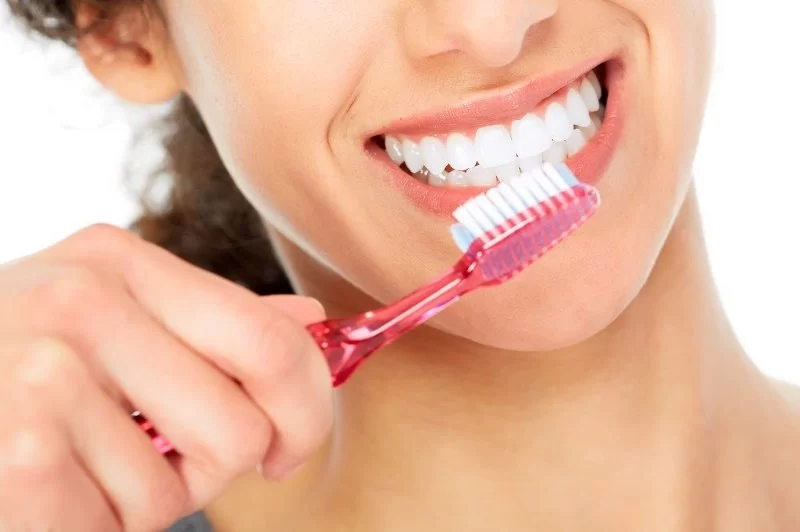
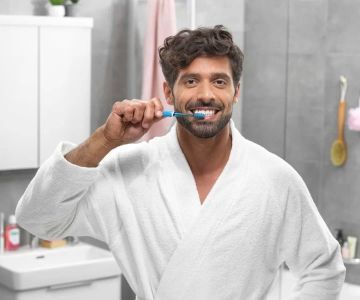
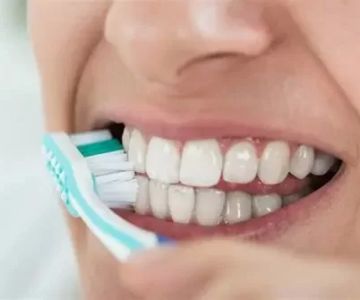
Many people brush daily but still struggle with oral issues because they don’t brush correctly. Dentists recommend brushing at least twice a day for two minutes with a soft-bristled toothbrush. Use gentle, circular motions, paying special attention to the gum line and the back teeth, where plaque often hides. Fluoride toothpaste strengthens enamel and helps prevent decay.
2. Flossing matters more than you think
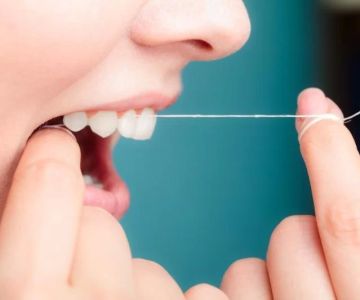
Flossing once a day removes plaque and food particles from between teeth—areas a toothbrush can’t reach. Skipping flossing allows bacteria to thrive in tight spaces, leading to gum inflammation. Whether you prefer traditional string floss or a water flosser, consistency is key.
3. Don’t forget your tongue
Your tongue harbors millions of bacteria that contribute to bad breath. Gently cleaning it with a tongue scraper or soft toothbrush can make a remarkable difference in oral freshness and bacterial balance.
Professional Dental Care and Its Importance
Regular checkups and cleanings
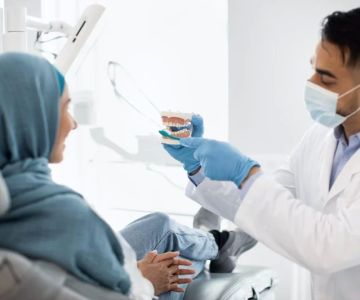
Even with the best home care, plaque can harden into tartar—a substance only professionals can remove. Visiting your dentist twice a year ensures early detection of cavities, gum disease, and oral cancer. At Family Dentistry Online, patients can find trusted recommendations for preventive cleanings and professional oral care.
Scaling and deep cleaning for gum health
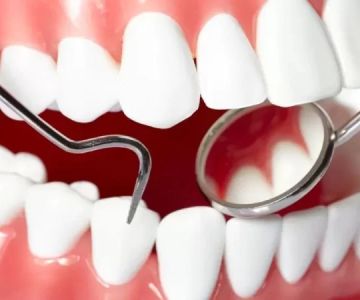
For those showing early signs of gingivitis or gum inflammation, dentists may recommend scaling and root planing—deep-cleaning treatments that remove bacteria beneath the gum line. These treatments can prevent periodontitis, a severe gum infection that can lead to tooth loss.
Custom advice from your dentist
Every mouth is different. Your dentist can recommend specific tools—like electric toothbrushes, interdental brushes, or fluoride rinses—based on your unique needs. Personalized care makes all the difference in long-term dental success.
The Role of Diet in Oral Hygiene
What you eat affects your teeth
Sugar isn’t the only culprit in poor dental health. Acidic foods, excessive coffee, and carbonated drinks can also erode enamel. Incorporating calcium-rich foods like milk, cheese, and leafy greens helps strengthen your teeth naturally. Crunchy fruits and vegetables like apples and carrots promote saliva production, which helps wash away bacteria.
Hydration and saliva production
Dry mouth is one of the most overlooked causes of dental decay. Saliva neutralizes acid and carries minerals that protect your enamel. Drink plenty of water throughout the day, and avoid alcohol or tobacco, which reduce saliva flow.
Recognizing the Signs of Poor Oral Hygiene
Early warning signs
If you notice bleeding gums, persistent bad breath, or increased tooth sensitivity, your mouth is trying to tell you something. These symptoms often indicate early gum disease or enamel erosion. Addressing them quickly prevents further damage and costly treatments.
When problems go untreated
Ignoring oral issues can lead to infections that affect not only your mouth but your entire body. Gum disease has been linked to cardiovascular complications and premature births. That’s why staying proactive about oral hygiene is essential for total well-being.
Real-Life Story: How One Change Transformed a Smile
From neglect to confidence
When Mark, a 42-year-old from Texas, noticed his gums bleeding while brushing, he dismissed it as “normal.” But within months, he began to experience discomfort and sensitivity. After visiting a dentist recommended through Family Dentistry Online, he discovered early-stage gum disease. With proper cleaning, daily flossing, and improved brushing habits, his gums healed within weeks. “I didn’t realize how much confidence comes from a healthy smile,” he said. Stories like Mark’s remind us that prevention is more powerful than cure.
Modern Tools and Technology in Oral Care
Electric toothbrushes and smart sensors
Technology has revolutionized home dental care. Many electric toothbrushes now track brushing duration, pressure, and areas missed, providing instant feedback via mobile apps. These innovations help users build better habits effortlessly.
At-home dental monitoring
Some dental offices now offer virtual consultations where patients can upload photos of their teeth for quick assessments. This modern convenience ensures that even busy individuals can maintain consistent care.
Creating a Family Oral Hygiene Routine
Starting early with kids
Children learn by example. Teaching them proper brushing and flossing habits from a young age helps establish lifelong routines. Making dental care fun—through colorful toothbrushes or reward charts—turns a chore into a game.
Family checkups and education
Scheduling family dental visits together helps reinforce accountability and consistency. Family Dentistry Online offers expert recommendations for family-friendly clinics across the U.S., ensuring everyone from toddlers to seniors receives personalized, compassionate care.
Building Confidence Through Oral Health
The psychological impact of a healthy smile
Good oral hygiene isn’t just about health—it’s about confidence. A clean, bright smile boosts self-esteem, improves first impressions, and even influences professional success. People who feel good about their teeth are more likely to smile freely, creating positive social connections.
Maintaining the habit for life
Oral care isn’t a one-time fix; it’s a lifelong practice. With consistency, awareness, and the right professional guidance, anyone can achieve and maintain excellent oral health. For ongoing dental support and expert advice, visit Family Dentistry Online to discover trusted resources and personalized service recommendations.

 Aurora Dental Care4.0 (153 review)
 Drs. Barker, Rohner & Hunt DMD, PLLC5.0 (412 review)
 South Pasadena Dental Group - General Dentist & Cosmetic Dentistry South Pasdena4.0 (76 review)
 Desert Valley Pediatric Dentistry - West Olive4.0 (705 review)
 Dr. David Newkirk - Cosmetic and General Dentistry5.0 (31 review)
 Tend East Nashville4.0 (319 review)
 The Importance of Oral Health Education During Pregnancy for a Healthy Pregnancy
 Best Tips for Brushing Your Teeth Properly for Healthy Gums: Essential Techniques for Oral Health
 Why Skipping Dental Checkups Can Lead to Bigger Oral Health Problems
 Advantages of Porcelain Dental Restorations
 How Can Diabetes Cause Tooth and Gum Problems? Preventing and Managing Oral Health Issues
 Healthy Habits for Promoting Good Oral Health and Hygiene: Tips for a Healthy Smile