
What is a Dental Laser and How Does It Work?
- 1. What is a Dental Laser?
- 2. How Does a Dental Laser Work?
- 3. Benefits of Using Dental Lasers
- 4. Common Dental Laser Procedures
- 5. Safety Considerations for Dental Lasers
1. What is a Dental Laser?
A dental laser is a device that uses a focused beam of light energy to perform various dental procedures. Lasers have been used in dentistry for over 30 years and have become an essential tool in both cosmetic and restorative treatments. Dental lasers can effectively treat a range of issues, from gum disease to teeth whitening.
2. How Does a Dental Laser Work?
Dental lasers work by emitting light at a specific wavelength that is absorbed by tissue. This light energy is then converted into heat, allowing the laser to cut, vaporize, or cauterize tissue. The precision of a laser minimizes damage to surrounding tissues, making it a more comfortable and effective option for many procedures.
Dental lasers come in different types, such as hard tissue lasers for cutting through teeth and soft tissue lasers for procedures involving the gums. Depending on the type of laser, they can be used for a variety of functions including removing decayed tissue, reshaping gums, or sterilizing a treated area.
3. Benefits of Using Dental Lasers
There are numerous benefits to using dental lasers, which make them a popular choice among patients and dental professionals alike:
- Minimally invasive: Lasers can remove tissue with great precision, minimizing damage to surrounding areas.
- Less pain and bleeding: Many patients experience less discomfort, reduced bleeding, and faster recovery times compared to traditional surgical methods.
- Reduced need for stitches: Laser treatment often results in less trauma to the gums, which reduces or eliminates the need for sutures.
- More precise and effective treatments: Lasers can target areas more precisely, making treatments quicker and often more effective.
- Less risk of infection: Lasers sterilize the area during treatment, which helps reduce the risk of infection.
4. Common Dental Laser Procedures
Dental lasers can be used for a variety of procedures, including both hard and soft tissue treatments:
- Teeth Whitening: Lasers are often used to enhance the effectiveness of teeth whitening treatments by accelerating the whitening process.
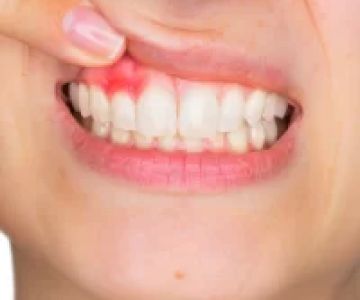
- Gum Disease Treatment: Laser treatment is commonly used to treat periodontal disease by removing infected gum tissue and helping to regenerate healthy tissue.
- Cavity Treatment: Hard tissue lasers can remove decayed parts of a tooth without the need for traditional drills.
- Frenectomy: A laser can be used to remove excess tissue around the gums or to treat tongue-tie in infants and children.
- Biopsy and Lesion Removal: Dental lasers can be used to safely remove tissue samples or lesions in the mouth for diagnostic purposes.
5. Safety Considerations for Dental Lasers
While dental lasers are safe, there are a few important safety considerations to be aware of:
- Eye Protection: Dental professionals and patients must wear protective eyewear to shield their eyes from the intense laser light.
- Professional Training: Dentists who use lasers must undergo specialized training to ensure safe and effective use of the equipment.
- Proper Use: The dentist will carefully adjust the laser settings to ensure the appropriate energy is used for each procedure to avoid unnecessary damage to tissues.
Overall, dental lasers are an excellent tool when used correctly, offering patients a more comfortable and efficient alternative to traditional treatments.

 Dr. Aaron M. Shearman4.0 (14 review)
 Taunton Oral Health Center3.0 (21 review)
 ABC Kids Dental Group - San Fernando4.0 (304 review)
 Aurora Dental Care4.0 (153 review)
 Charles A. Messa Jr. DDS4.0 (14 review)
 Central Park Dental Aesthetics4.0 (129 review)
 The Importance of Oral Health Education During Pregnancy for a Healthy Pregnancy
 Best Tips for Brushing Your Teeth Properly for Healthy Gums: Essential Techniques for Oral Health
 Why Skipping Dental Checkups Can Lead to Bigger Oral Health Problems
 Advantages of Porcelain Dental Restorations
 How Can Diabetes Cause Tooth and Gum Problems? Preventing and Managing Oral Health Issues
 Healthy Habits for Promoting Good Oral Health and Hygiene: Tips for a Healthy Smile