
Understanding the Role of a Dental Hygienist
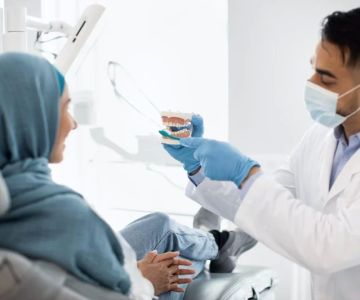
In the world of dental care, a dental hygienist plays a vital role in helping patients maintain healthy teeth and gums. Often working alongside dentists, dental hygienists are licensed oral health professionals trained to provide preventive care and education focused on oral hygiene. Their expertise includes cleaning teeth, examining patients for signs of oral diseases such as gingivitis, and offering advice on proper brushing and flossing techniques.
1. What Does a Dental Hygienist Do?
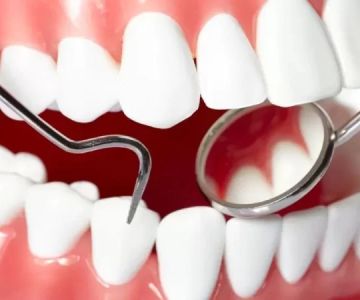
A typical day for a dental hygienist involves a combination of clinical and educational tasks. They perform professional teeth cleanings by removing plaque, tartar, and stains that cannot be eliminated through regular brushing. Beyond cleaning, they assess patients’ oral health by checking for cavities, gum disease, and other abnormalities. Dental hygienists also take and develop dental X-rays to help detect problems not visible to the naked eye.
Education is a significant part of their role. Dental hygienists teach patients about the importance of daily oral hygiene habits, including the correct ways to brush and floss. They often discuss the impact of lifestyle choices such as diet, smoking, and alcohol consumption on oral health. By empowering patients with knowledge, dental hygienists help prevent dental problems before they arise.
2. Education and Training Requirements
In the United States, becoming a dental hygienist requires completing an accredited dental hygiene program, typically awarding an associate degree, though bachelor’s and master’s degrees are also available. These programs combine classroom instruction in anatomy, periodontology, pharmacology, and dental radiography with clinical practice. After completing education, candidates must pass the National Board Dental Hygiene Examination and obtain a state license to practice legally.
The Importance of Oral Hygiene for Overall Health
Oral hygiene is more than just keeping a bright smile—it’s essential for maintaining overall health. Poor oral care can lead to tooth decay, gum disease, and even systemic conditions such as heart disease and diabetes. Understanding how oral hygiene affects your body underscores why regular dental visits and daily care are indispensable.
1. How Oral Hygiene Prevents Common Dental Problems
Regular removal of plaque—the sticky film of bacteria that accumulates on teeth—prevents the formation of cavities and periodontal disease. When plaque hardens into tartar, it becomes difficult to remove without professional cleaning, which is why routine visits to a dental hygienist are so crucial. Gingivitis, an early stage of gum disease, can cause redness and bleeding, but if caught early through professional exams, it is reversible.
Neglecting oral hygiene may allow infections to progress, resulting in tooth loss or more severe gum disease (periodontitis), which has been linked to chronic inflammation in the body.
2. Connections Between Oral Health and Systemic Diseases
Studies have revealed links between oral health and conditions such as cardiovascular disease, diabetes, respiratory infections, and adverse pregnancy outcomes. Inflammation and bacteria originating in the mouth can enter the bloodstream, contributing to systemic inflammation. Maintaining oral hygiene, therefore, plays a role in protecting your whole body’s health.
Tips for Maintaining Excellent Oral Hygiene at Home
While regular professional care is critical, daily habits form the foundation of oral health.
1. Effective Brushing and Flossing Techniques
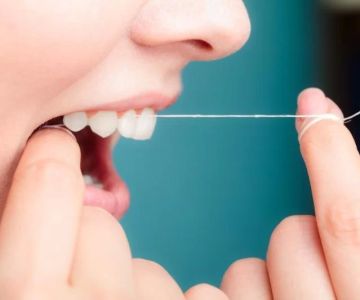
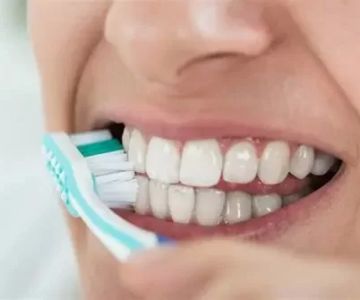
Use a soft-bristled toothbrush and fluoride toothpaste to brush twice daily. Position the brush at a 45-degree angle to the gumline and use gentle circular motions. Floss daily to remove plaque and food particles between teeth where brushing can’t reach.
2. Dietary Choices That Support Oral Health
Limiting sugary snacks and drinks reduces the risk of cavities. Incorporate crunchy fruits and vegetables, which naturally clean teeth and stimulate saliva production, helping neutralize acids.
3. Avoiding Tobacco and Excessive Alcohol
Tobacco use is a major risk factor for gum disease and oral cancer. Excessive alcohol can dry the mouth and increase susceptibility to oral infections.
Stories from Patients: The Impact of Dental Hygienists
One memorable case involved a young woman named Sarah, who experienced chronic bad breath and bleeding gums. After her first visit to a dental hygienist, she received a thorough cleaning and personalized oral care advice. Within months, her symptoms improved drastically. Sarah’s story highlights how dental hygienists not only treat existing problems but also educate patients to prevent future issues.
Another inspiring story is about a senior gentleman who had long avoided dental care due to anxiety. A compassionate dental hygienist helped him feel comfortable and regain trust in dental visits, leading to improved oral health and overall confidence.
These real-life experiences show the profound role dental hygienists play beyond just cleaning teeth—they build relationships and support patients on their path to lifelong oral health.
Why You Should Trust Professional Oral Care Services
Choosing a qualified dental hygienist ensures you receive expert care tailored to your individual needs. Their professional training, access to modern technology, and holistic approach to oral health make a difference in preventing and managing dental issues effectively.
For those in the United States looking for trusted oral health services, Dentistry Toothtruth offers comprehensive options to meet your dental hygiene needs. Their team of experienced dental hygienists provides personalized care, patient education, and support to help you maintain a healthy and confident smile.


 Pediatric Dentistry Of San Clemente4.0 (70 review)
 Orthodontic Associates of Collegeville, PC Adam J. Weiss DMD & Sarah S. Pavlow DMD5.0 (46 review)
 CitiDentalGroup - A Dental365 Company4.0 (340 review)
 William Farmer, DDS5.0 (5 review)
 Ashford Dental of Dobbs Ferry4.0 (262 review)
 Signature Smiles on Parham5.0 (4 review)
 The Importance of Oral Health Education During Pregnancy for a Healthy Pregnancy
 Best Tips for Brushing Your Teeth Properly for Healthy Gums: Essential Techniques for Oral Health
 Why Skipping Dental Checkups Can Lead to Bigger Oral Health Problems
 Advantages of Porcelain Dental Restorations
 How Can Diabetes Cause Tooth and Gum Problems? Preventing and Managing Oral Health Issues
 Healthy Habits for Promoting Good Oral Health and Hygiene: Tips for a Healthy Smile