
What Happens During a Routine Dental Exam and Why Is It Important?
Regular dental check-ups are more than just a professional cleaning; they are a vital part of maintaining overall oral health and preventing future dental issues. In the United States, dental exams are recommended every six months, and they serve as a cornerstone in preventive health care. By understanding what happens during these appointments, individuals can appreciate their significance and prioritize them in their health regimen.
Understanding the Components of a Routine Dental Exam
A routine dental exam is typically divided into several distinct phases, each critical in ensuring a comprehensive evaluation of your oral health. The examination begins with a thorough review of your dental and medical history. This step is essential as it informs the dentist about any past or present conditions that might affect dental treatment. Patients often fill out a detailed questionnaire or discuss their health updates directly with the dental hygienist or dentist.
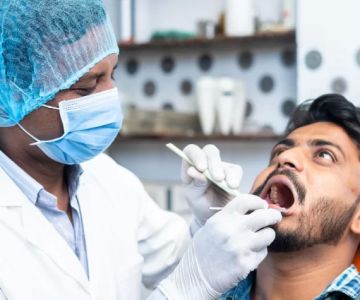
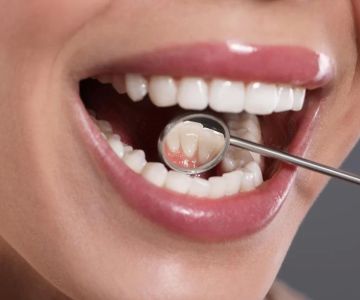
Following the preliminary discussions, the dentist or hygienist will examine your teeth, gums, and mouth using specialized instruments. This visual examination helps identify any areas of concern, such as cavities, gum disease, or abnormalities in the soft tissues. They might also assess your bite and jaw alignment, ensuring there are no underlying issues that could lead to discomfort or other complications down the line.
The Role of Professional Cleaning in Dental Exams
One of the key components of a dental check-up is the professional cleaning process, also known as prophylaxis. Even with diligent brushing and flossing habits, there are areas of the mouth that are difficult to clean thoroughly. Dental hygienists utilize professional tools to remove plaque and tartar build-up that, if left unattended, can lead to cavities and periodontal disease.
This cleaning is not only beneficial for preventing decay but also for maintaining the aesthetic appearance of your teeth. A clean mouth often means a brighter smile and fresher breath, both of which significantly impact a person's confidence and social interactions.
Why Oral Cancer Screenings Are Essential
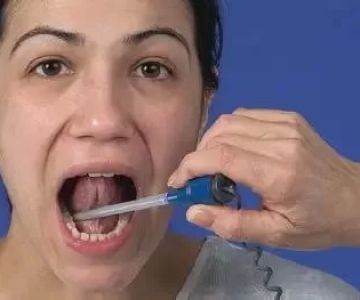
During a routine exam, dental professionals will also perform an oral cancer screening. This quick but crucial step involves checking the mouth and throat for any signs of precancerous or cancerous lesions. Oral cancer is more treatable when caught early, and these screenings can help detect potential issues that patients may not notice themselves.
Statistics show that early detection significantly improves treatment success rates, making regular dental visits a preventative measure that could save lives. At Dentistry Toothtruth, these screenings are an integral part of our commitment to comprehensive care.
Diagnostic Imaging and Its Importance
While visual inspections are important, some dental conditions may not be immediately visible to the naked eye. This is where diagnostic imaging, such as X-rays, comes into play. X-rays provide a deeper look, allowing dentists to assess areas beneath the gum line, between teeth, and inside the jaw.
These images can reveal cavities, bone loss, impacted teeth, and other hidden problems that are crucial to address promptly. Many dental issues can progress without symptoms, making these diagnostics a key tool in preventive dentistry.
The Importance of Education and Future Planning
After all the examinations and cleanings are completed, a significant part of a dental check-up involves the dentist discussing their findings with you. This includes advice on improving oral hygiene practices, dietary recommendations, and any further treatment that may be necessary.
By understanding the current state of your oral health, patients can take proactive steps to enhance it. Whether it involves setting up a treatment plan for cavities or learning new brushing techniques, this educational aspect empowers patients to take control of their dental care.
Conclusion: Prioritize Your Oral Health with Regular Dental Exams
Routine dental exams are not just about cleaning your teeth; they are a comprehensive evaluation designed to maintain and improve your overall health. These check-ups are essential for catching potential issues early, preventing disease, and keeping your smile bright and healthy.
At Dentistry Toothtruth, we are committed to providing exceptional care and ensuring our patients are well-informed about their oral health. Make it a priority to schedule regular dental exams. They are an investment in both your oral and general well-being, guiding you towards a lifetime of healthy smiles.


 Dentists of South Pasadena4.0 (124 review)
 Dr. David J. Park DMD5.0 (123 review)
 Tri-City Smiles Dentistry and Orthodontics4.0 (180 review)
 North Scottsdale Dental4.0 (211 review)
 White Hill Dental4.0 (153 review)
 Authentic Smiles Family Dental4.0 (326 review)
 The Importance of Oral Health Education During Pregnancy for a Healthy Pregnancy
 Best Tips for Brushing Your Teeth Properly for Healthy Gums: Essential Techniques for Oral Health
 Why Skipping Dental Checkups Can Lead to Bigger Oral Health Problems
 Advantages of Porcelain Dental Restorations
 How Can Diabetes Cause Tooth and Gum Problems? Preventing and Managing Oral Health Issues
 Healthy Habits for Promoting Good Oral Health and Hygiene: Tips for a Healthy Smile