
Understanding What Good Oral Hygiene Looks Like
Good oral hygiene is the foundation of a healthy smile and overall wellbeing. But what exactly does good oral hygiene look like? It involves consistent daily habits that keep your teeth, gums, and mouth clean and free from harmful bacteria. Maintaining excellent oral hygiene prevents tooth decay, gum disease, bad breath, and other dental problems.
In the United States, where sugary diets and busy lifestyles can challenge dental health, understanding effective oral care is more important than ever. Let’s explore the elements that define good oral hygiene and how you can incorporate them into your daily routine.
1. Essential Daily Practices for Good Oral Hygiene
1.1 Brushing Your Teeth Properly
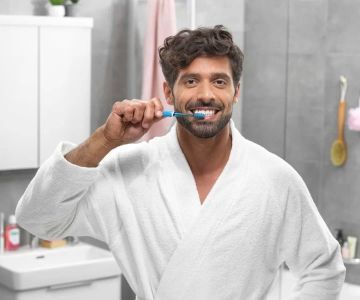
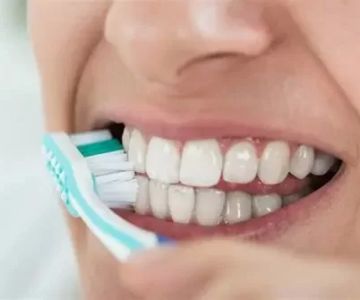
Brushing is the cornerstone of oral hygiene. Good brushing technique means using a soft-bristled toothbrush and fluoride toothpaste to clean all tooth surfaces thoroughly for at least two minutes, twice a day. Many people rush through brushing or miss certain areas, leading to plaque buildup.
A dentist once shared a story about a patient who had persistent bad breath despite brushing daily. It turned out they were only brushing the front teeth and neglecting the molars, where food particles often linger. After correcting the technique, the patient’s oral health improved dramatically.
1.2 Flossing to Reach Between Teeth
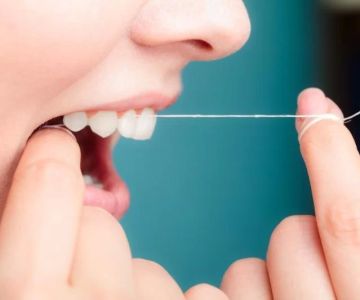
Flossing removes plaque and debris from between teeth and along the gumline—areas that brushing alone can’t reach. Daily flossing reduces the risk of cavities and gum inflammation. It’s an essential step often skipped due to time constraints or lack of familiarity.
In fact, according to the American Dental Association, only about 30% of Americans floss daily, highlighting a significant opportunity for better oral care habits.
1.3 Using Mouthwash for Extra Protection
Mouthwash can help reduce bacteria and freshen breath, but it should complement—not replace—brushing and flossing. Choosing an antimicrobial or fluoride mouthwash adds an extra layer of protection against tooth decay and gum disease.
2. Recognizing Signs of Poor Oral Hygiene
2.1 Common Symptoms to Watch For
Bad breath (halitosis), bleeding gums, tooth sensitivity, and visible plaque are telltale signs of inadequate oral care. Ignoring these symptoms can lead to more serious conditions like periodontitis or tooth loss.
2.2 The Role of Regular Dental Checkups
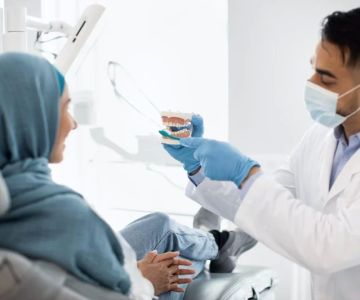
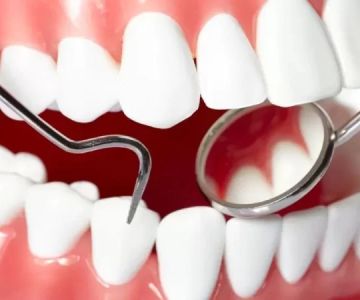
Routine visits to a dentist help catch problems early and provide professional cleaning that removes hardened tartar not removable by brushing. Dentists also guide patients on improving their oral hygiene tailored to individual needs.
3. How Diet and Lifestyle Affect Oral Hygiene
3.1 Impact of Sugary and Acidic Foods
Consuming high amounts of sugar and acidic beverages feeds harmful bacteria and erodes tooth enamel. Limiting sugary snacks and drinking water regularly helps maintain a balanced oral environment.
3.2 Smoking and Its Detrimental Effects
Smoking not only stains teeth but also impairs gum health and reduces healing capacity. Quitting smoking greatly improves oral hygiene outcomes.
4. Oral Hygiene for Different Age Groups
4.1 Teaching Children Good Habits Early
Starting oral care habits in childhood sets the stage for lifelong dental health. Parents should encourage supervised brushing and flossing as children develop.
4.2 Oral Care Tips for Seniors
Older adults may face challenges like dry mouth or receding gums, requiring adjustments in oral hygiene routines and products to protect vulnerable teeth.
5. Real-Life Success Stories and Tips
A patient shared how adopting a structured morning and night dental routine transformed their oral health after years of neglect. Regular brushing, flossing, and dental visits not only eliminated gum bleeding but also boosted confidence in their smile.
Another example comes from a mother teaching her kids fun brushing techniques and rewarding good habits, which helped instill a positive attitude toward oral care early on.
6. Where to Get Professional Help and Quality Products
For tailored advice, dental services, and the best oral hygiene products, consider visiting Dentistry Toothtruth. Their expert team offers personalized consultations and product recommendations to keep your smile healthy and bright.
Maintaining good oral hygiene is a journey that benefits from both daily dedication and professional support.

 Day and Night Dental5.0 (68 review)
 Greenberg Dental & Orthodontics4.0 (1278 review)
 Blue Bell Dental Associates PC5.0 (1 review)
 Pediatric Dental Associates of Randolph4.0 (1772 review)
 Perfect Teeth Dental - South 8th4.0 (280 review)
 Frank A. Madalone, DMD, PC5.0 (9 review)
 The Importance of Oral Health Education During Pregnancy for a Healthy Pregnancy
 Best Tips for Brushing Your Teeth Properly for Healthy Gums: Essential Techniques for Oral Health
 Why Skipping Dental Checkups Can Lead to Bigger Oral Health Problems
 Advantages of Porcelain Dental Restorations
 How Can Diabetes Cause Tooth and Gum Problems? Preventing and Managing Oral Health Issues
 Healthy Habits for Promoting Good Oral Health and Hygiene: Tips for a Healthy Smile