
1 - Understanding the Health Risks of Oral Sex
Oral sex is often seen as a safer alternative to vaginal or anal intercourse, but it still carries significant risks for transmitting sexually transmitted diseases (STDs). Many infections spread through direct contact with bodily fluids, and the mouth, throat, and lips can all serve as entry points for harmful bacteria and viruses. Understanding these risks is the first step in protecting yourself and your partner from long-term health issues.
2 - Common Diseases That Can Be Transmitted Through Oral Sex
Herpes Simplex Virus (HSV)
Oral herpes (HSV-1) and genital herpes (HSV-2) can both be transmitted through oral sex. If one partner has cold sores or even asymptomatic shedding of the virus, it can be passed to the other’s genitals or mouth. This is one of the most common infections linked to oral sexual contact, and outbreaks can cause painful sores that affect quality of life.
Human Papillomavirus (HPV)
HPV is another widespread infection that can be passed through oral sex. Certain strains of HPV are linked not only to genital warts but also to oral and throat cancers. Cases of oropharyngeal cancer linked to HPV have been increasing in the United States, making awareness and prevention even more critical.
Gonorrhea and Chlamydia
Both of these bacterial infections can infect the throat through oral sex. While some people may never show symptoms, others experience sore throats, difficulty swallowing, or inflamed tonsils. If left untreated, these infections can spread to other areas of the body, leading to more serious complications.
Syphilis
Syphilis can be transmitted through direct contact with sores during oral sex. What makes this infection particularly dangerous is that its symptoms can be mistaken for harmless mouth ulcers or rashes. Without timely treatment, syphilis can progress to severe and even life-threatening stages.
HIV and Hepatitis
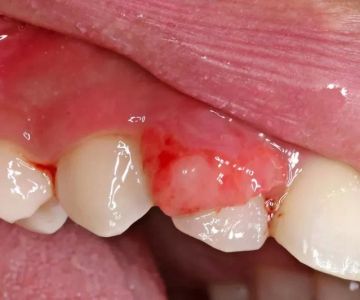
Although the risk of contracting HIV through oral sex is lower compared to other sexual activities, it is not zero. The presence of cuts, sores, or bleeding gums can increase the risk. Hepatitis B can also be transmitted orally, particularly if there are open wounds in the mouth.
3 - Real Stories That Highlight the Risks
Consider the case of a college student in California who thought oral sex was “risk-free.” After experiencing persistent throat pain, she was diagnosed with gonorrhea of the throat. Another individual in New York shared his story of contracting HPV, which later developed into throat cancer requiring aggressive treatment. These examples illustrate why education and awareness about oral sex risks are crucial for everyone, regardless of age or relationship status.
4 - Practical Prevention Tips
Using Barriers
Condoms and dental dams remain some of the most effective ways to reduce the risk of infection. While they may not eliminate all risks, they provide a significant layer of protection when used consistently and correctly.
Maintaining Good Oral Health
Healthy gums and a clean mouth reduce the chances of transmission. People with bleeding gums, mouth ulcers, or active cold sores should avoid engaging in oral sex until fully healed. Regular checkups with dental professionals, such as those at Family Dentistry Online, can help identify and address oral health issues that may increase risks.
Testing and Open Communication
Routine STD testing and honest discussions with partners are vital. Knowing your status and encouraging your partner to get tested builds trust and helps prevent the spread of infections. Many clinics in the U.S. now offer quick, confidential testing services to make this step more accessible.
5 - How to Protect Yourself Moving Forward
Staying informed is one of the most powerful tools for preventing oral sex-related infections. By combining barrier protection, regular dental and medical checkups, and open communication with partners, you can significantly reduce your risk. The goal is not to instill fear but to empower individuals to make safer choices for their sexual and overall health. For those who want guidance tailored to their specific needs, Family Dentistry Online offers resources and professional advice to maintain both oral and sexual wellness.

 Smiles On Bridgetown5.0 (87 review)
 Weimar Family & Implant Dentistry4.0 (778 review)
 Summit Pediatric Dentistry4.0 (145 review)
 Dr. Kwon Pediatric Dentistry Sedation Center4.0 (133 review)
 Wang Hugh N DDS0.0 (0 review)
 Fry Orthodontic Specialists4.0 (71 review)
 The Importance of Oral Health Education During Pregnancy for a Healthy Pregnancy
 Best Tips for Brushing Your Teeth Properly for Healthy Gums: Essential Techniques for Oral Health
 Why Skipping Dental Checkups Can Lead to Bigger Oral Health Problems
 Advantages of Porcelain Dental Restorations
 How Can Diabetes Cause Tooth and Gum Problems? Preventing and Managing Oral Health Issues
 Healthy Habits for Promoting Good Oral Health and Hygiene: Tips for a Healthy Smile