
What Diseases Can Poor Oral Health Cause? Understanding the Link Between Your Teeth and Overall Health
1. The Importance of Oral Health
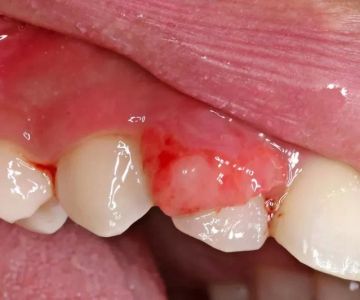
Oral health is often seen as a minor concern, something that can be ignored as long as your teeth look good. However, research has shown that poor oral health can lead to a wide range of serious diseases that affect not only your teeth and gums but your entire body. The mouth is a gateway to the rest of the body, and neglecting your oral hygiene can lead to complications far beyond cavities and gum disease.
The connection between oral health and overall health has been extensively studied, revealing that the bacteria in the mouth can enter the bloodstream and contribute to various health problems. This article will explore the diseases that poor oral health can cause, highlighting the importance of maintaining a good oral hygiene routine.
2. Cardiovascular Disease: The Link Between Gum Disease and Heart Health
One of the most concerning issues that can arise from poor oral health is an increased risk of cardiovascular diseases, including heart disease, heart attacks, and strokes. Studies have shown that people with gum disease are at a higher risk of developing heart disease compared to those with healthy gums. The bacteria responsible for gum disease can enter the bloodstream and cause inflammation, leading to atherosclerosis, a condition where plaque builds up in the arteries, restricting blood flow.
Inflammation from gum disease is thought to play a significant role in the development of cardiovascular disease. The body’s immune response to bacteria can damage the walls of blood vessels, leading to the narrowing and hardening of arteries. This increased plaque buildup can lead to dangerous heart conditions, making it crucial to maintain good oral health to protect your heart.
3. Diabetes: The Oral Health and Diabetes Connection
Diabetes is another major health condition that is closely linked to poor oral health. People with diabetes are more likely to develop gum disease, and gum disease can, in turn, make it more difficult to control blood sugar levels. The inflammation caused by gum disease can interfere with the body’s ability to use insulin effectively, leading to higher blood sugar levels and worsening diabetes symptoms.
Additionally, uncontrolled diabetes can lead to dry mouth, which increases the risk of tooth decay and gum infections. This creates a vicious cycle where poor oral health exacerbates diabetes, and uncontrolled diabetes worsens oral health. Regular dental check-ups and good oral hygiene are essential for managing diabetes and preventing oral complications.
4. Respiratory Infections: How Oral Bacteria Affect Lung Health
While it might seem unrelated, poor oral health can also contribute to respiratory infections, including pneumonia. The bacteria that cause gum disease can be inhaled into the lungs, particularly in people with weakened immune systems. Once in the lungs, these bacteria can lead to respiratory infections, exacerbating conditions like chronic obstructive pulmonary disease (COPD) and asthma.
Maintaining good oral hygiene by brushing, flossing, and using mouthwash can help prevent harmful bacteria from entering the respiratory system, reducing the risk of infections and promoting better lung health.
5. Pregnancy Complications: Oral Health During Pregnancy
Oral health can have a significant impact on pregnancy, with poor oral hygiene linked to an increased risk of complications such as preterm birth, low birth weight, and gestational diabetes. Gum disease has been associated with the release of inflammatory markers that can affect both the mother and baby. Pregnant women are also more susceptible to gum disease due to hormonal changes that affect gum tissue.
Good oral care during pregnancy is essential for both the mother and the baby. Regular dental visits, proper brushing, and flossing can help reduce the risk of complications and ensure a healthier pregnancy.
6. Kidney Disease: The Impact of Oral Infections on Kidney Function
Recent research has also suggested that there is a connection between oral health and kidney disease. Poor oral hygiene and gum disease can increase the risk of kidney disease by allowing bacteria to enter the bloodstream and affect the kidneys. The inflammation caused by oral infections can worsen kidney function in people with pre-existing kidney conditions.
Patients with kidney disease are also at a higher risk of developing gum disease, making it essential to maintain good oral hygiene to prevent infections that could further damage the kidneys. Proper dental care can help reduce inflammation and protect the kidneys from additional stress.
7. The Link Between Oral Health and Alzheimer’s Disease
Alzheimer’s disease and other forms of dementia have been linked to poor oral health, particularly gum disease. Research has shown that the bacteria responsible for periodontal disease can affect the brain, leading to cognitive decline. The inflammation caused by gum disease may contribute to the development of Alzheimer’s by promoting the buildup of plaques in the brain, which are characteristic of the disease.
Taking care of your oral health by brushing, flossing, and scheduling regular dental visits can help reduce the risk of Alzheimer’s disease and other cognitive disorders. Keeping your gums and teeth healthy may play a crucial role in protecting your brain health as well.
8. Oral Cancer: The Role of Oral Hygiene in Preventing Oral Cancer
Poor oral hygiene has been linked to an increased risk of oral cancer. The harmful bacteria in the mouth can contribute to chronic inflammation, which may lead to the development of cancerous cells in the oral cavity. People who smoke or drink alcohol, combined with poor oral hygiene, are at an even greater risk of developing oral cancer.
Regular dental check-ups, combined with good oral hygiene practices, can help detect early signs of oral cancer, increasing the chances of successful treatment and recovery. Protecting your oral health can reduce your risk of oral cancer and other serious health issues.
9. Protecting Your Overall Health Through Oral Care
The importance of maintaining good oral hygiene cannot be overstated. Brushing twice a day, flossing daily, and visiting your dentist regularly are essential for preventing oral diseases and reducing the risk of developing serious health conditions. Oral health is an integral part of overall health, and taking steps to protect your mouth can have a significant impact on your long-term well-being.
Maintaining good oral hygiene habits is one of the simplest and most effective ways to protect your health and prevent serious diseases. By taking care of your teeth and gums, you are investing in your overall health and quality of life.



 The Implant Center at Comprehensive Dental4.0 (421 review)
 Modern Dentistry Of Peoria4.0 (563 review)
 Advanced Family Dental & Orthodontics4.0 (216 review)
 Todays Dental Of Joliet (formerly Hammes Family Dental)4.0 (130 review)
 Kevin B. Sands, DDS5.0 (168 review)
 Kids Dental Land4.0 (602 review)
 The Importance of Oral Health Education During Pregnancy for a Healthy Pregnancy
 Best Tips for Brushing Your Teeth Properly for Healthy Gums: Essential Techniques for Oral Health
 Why Skipping Dental Checkups Can Lead to Bigger Oral Health Problems
 Advantages of Porcelain Dental Restorations
 How Can Diabetes Cause Tooth and Gum Problems? Preventing and Managing Oral Health Issues
 Healthy Habits for Promoting Good Oral Health and Hygiene: Tips for a Healthy Smile