
1. Understanding the Risks of Oral Sex and Disease Transmission
Oral sex is often seen as a safer alternative to other forms of sexual activity. However, it can still carry significant health risks, especially when it comes to sexually transmitted infections (STIs). Contrary to popular belief, several diseases can be passed from one person to another through oral-genital or oral-anal contact. In the U.S., STIs transmitted through oral sex continue to rise, largely due to lack of awareness and protective measures.
The mucous membranes in the mouth and throat are susceptible to microscopic tears and cuts, making it possible for pathogens to enter the bloodstream. Saliva, semen, vaginal fluids, and even skin contact can all be transmission routes. Some infections can present symptoms in the mouth, throat, or on the lips—but many go unnoticed, allowing the infection to spread silently to future partners.
2. Common Sexually Transmitted Infections Spread Through Oral Sex
2.1 Herpes Simplex Virus (HSV-1 and HSV-2)
Both HSV-1 (commonly oral) and HSV-2 (commonly genital) can be transmitted via oral sex. If a person with an active cold sore performs oral sex, the virus can spread to their partner’s genitals. Likewise, receiving oral sex from a partner with genital herpes can transmit the virus to the mouth. Symptoms may include painful blisters or sores, tingling, or flu-like symptoms. Once contracted, herpes remains in the body for life, with outbreaks varying in frequency.
2.2 Human Papillomavirus (HPV)
HPV is the most common sexually transmitted infection in the U.S., and it can spread through oral sex even when the infected person shows no signs or symptoms. Certain strains of HPV are linked to oral and throat cancers. According to the CDC, oral HPV is now considered a leading cause of oropharyngeal cancer—particularly among men. Most HPV infections clear on their own, but high-risk strains can remain dormant and develop into serious complications over time.
2.3 Gonorrhea
Oral gonorrhea, also known as pharyngeal gonorrhea, can be contracted by performing oral sex on an infected partner. The throat may show no symptoms or only mild signs like a sore throat, making it easy to miss. Untreated gonorrhea can spread to the bloodstream or joints and may increase the risk of HIV transmission. Routine testing is the only reliable way to catch silent infections like this.
2.4 Chlamydia
Chlamydia is another bacterial infection that can be passed through oral sex. It often affects the throat but is typically asymptomatic when contracted this way. However, it can still be detected through a swab or throat culture. Like gonorrhea, untreated chlamydia can lead to serious complications including infertility and chronic pelvic pain.
2.5 Syphilis
Syphilis is a highly contagious bacterial STI that can be spread through oral sex—particularly if sores (called chancres) are present in the mouth or on the genitals. The early stages may present as painless sores in or around the mouth, which many mistake for canker sores or cuts. If left untreated, syphilis can progress to affect the heart, brain, and other organs, even decades later.
2.6 HIV
While the risk of contracting HIV through oral sex is lower than through vaginal or anal sex, it is still possible—especially if there are open sores, bleeding gums, or other oral health issues. The presence of another STI, particularly syphilis or herpes, can increase susceptibility. Using condoms or dental dams can significantly reduce this risk.
3. Lesser-Known Infections That Can Be Transmitted Orally
3.1 Hepatitis A, B, and C
Hepatitis A is often spread through oral-anal contact, while hepatitis B and C can be transmitted through contact with infected blood or bodily fluids. While rare in oral transmission, cases have been documented—especially when open sores are present. Vaccines are available for hepatitis A and B and are recommended for individuals with multiple partners or those engaging in oral-anal sex.
3.2 Molluscum Contagiosum
This skin infection caused by a poxvirus can be transmitted through oral sex when lesions are present on the mouth or genitals. While it typically resolves on its own, it can cause discomfort and spread rapidly in intimate settings.
3.3 Epstein-Barr Virus (Mononucleosis)
Though not classified as an STI, mono—caused by the Epstein-Barr virus—can be spread through saliva and close mouth-to-mouth contact. It causes extreme fatigue, sore throat, and swollen lymph nodes. Since many people confuse it with common STIs when symptoms arise, understanding its transmission is essential.
4. Oral Health and Its Role in STI Transmission
4.1 The Mouth as a Transmission Point
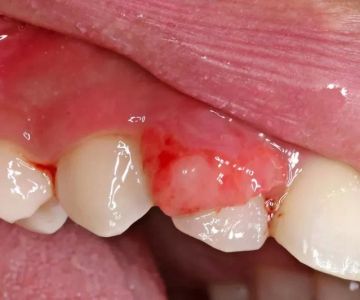
Poor oral hygiene, bleeding gums, and untreated dental issues can significantly increase the risk of contracting or transmitting infections during oral sex. Open cuts, gingivitis, or inflammation create easier entry points for viruses and bacteria. A healthy mouth is one of your first lines of defense in sexual health.
4.2 Importance of Regular Dental Check-Ups
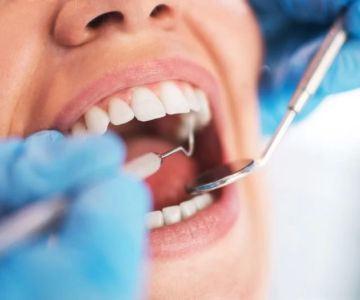
Regular visits to the dentist don’t just maintain your smile—they can also help detect early signs of infection or inflammation that may go unnoticed. At Family Dentistry Online, we emphasize oral-systemic health and provide guidance on how to protect your overall wellness, including during sexual activity.
5. Prevention and Safe Practices for Oral Sex
5.1 Use of Barriers
Using condoms or dental dams during oral sex significantly reduces the risk of disease transmission. Flavored condoms or latex sheets are widely available and make protection more comfortable and appealing.
5.2 Open Communication and Testing
Discussing STI status with partners and getting tested regularly are essential steps in prevention. Many STIs are asymptomatic, so routine screenings are necessary—even if you feel healthy. If you're unsure where to start, talk to your doctor or visit a sexual health clinic for guidance.
5.3 Boosting Immune and Oral Health
Maintaining a strong immune system and excellent oral hygiene can help your body resist infections. Brush and floss daily, avoid smoking, and treat any mouth sores or inflammation promptly. When your mouth is healthy, it’s far more resilient against outside pathogens.

 Dental Office0.0 (0 review)
 Ellettsville Dental Center4.0 (597 review)
 Amara Dental of South Plainfield4.0 (122 review)
 Bright Now! Dental & Orthodontics3.0 (191 review)
 Dr. Gelena Roytman, DDS5.0 (22 review)
 Martinez Z Margarita DDS1.0 (1 review)
 The Importance of Oral Health Education During Pregnancy for a Healthy Pregnancy
 Best Tips for Brushing Your Teeth Properly for Healthy Gums: Essential Techniques for Oral Health
 Why Skipping Dental Checkups Can Lead to Bigger Oral Health Problems
 Advantages of Porcelain Dental Restorations
 How Can Diabetes Cause Tooth and Gum Problems? Preventing and Managing Oral Health Issues
 Healthy Habits for Promoting Good Oral Health and Hygiene: Tips for a Healthy Smile