
Understanding the Risks of Oral Sex for Women
Many people believe that oral sex is completely safe compared to vaginal or anal intercourse. However, research shows that women can contract several sexually transmitted diseases (STDs) through oral sex. While the risks may vary depending on the type of contact and protection used, the potential for transmission is real. Knowing what diseases can affect women from oral sex helps make informed choices about protection and testing.
In the U.S., studies reveal that oral sex is a significant route of STD transmission, particularly for young adults who may not use protection during these encounters. Awareness is key to reducing risk and protecting long-term health.
1. Common Sexually Transmitted Infections Spread Through Oral Sex
Human Papillomavirus (HPV)
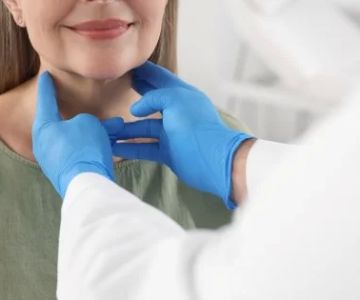
HPV is one of the most common infections linked to oral sex. Some strains of HPV can cause genital warts, while others are associated with oral and throat cancers. Women exposed to HPV through oral sex may experience no symptoms initially, making regular screenings important. HPV-related cancers, especially in the throat and tonsils, have been on the rise in recent years in the U.S.
Herpes Simplex Virus (HSV)
Both HSV-1 and HSV-2 can be transmitted through oral sex. HSV-1, often known as the “cold sore virus,” can spread from the mouth to the genitals. HSV-2, which typically affects the genital area, can also be passed to the mouth. For women, this means painful blisters can develop in either area. Even without visible sores, herpes can still be transmitted during intimate contact.
Gonorrhea
Oral gonorrhea, often found in the throat, can be transmitted to a woman during oral sex. While some women may remain asymptomatic, others may experience sore throats or swollen lymph nodes. The CDC warns that untreated gonorrhea can lead to pelvic inflammatory disease (PID) in women, which can cause long-term reproductive complications.
Chlamydia
Chlamydia can infect the throat as well as the genitals. Women may not notice symptoms at first, but untreated chlamydia can spread and cause pelvic pain, infertility, or increased risk of ectopic pregnancy. Routine testing is important because chlamydia is both common and often silent.
Syphilis
Syphilis can be transmitted through oral contact with sores. It often begins with painless ulcers that may go unnoticed. Without treatment, syphilis progresses through stages that can lead to severe health problems, including neurological and cardiovascular complications.
HIV
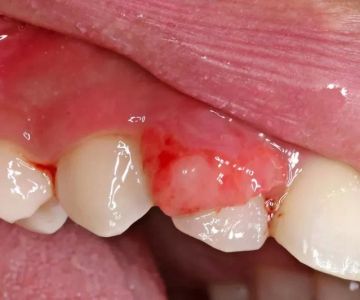
While the risk of contracting HIV through oral sex is lower than vaginal or anal sex, it is not zero. The risk increases if there are open sores or bleeding gums. In rare cases, transmission has occurred through contact with infected semen or vaginal fluids during oral sex.
2. Real Experiences That Highlight the Risks
There have been documented cases where women contracted STDs solely through oral sex, highlighting the need for awareness. One well-publicized case involved a college student who developed oral gonorrhea after unprotected oral sex, which later caused painful throat symptoms. Another woman contracted HSV-2 through oral exposure, reshaping her understanding of what she thought was a low-risk act. These stories emphasize that even when symptoms are subtle or delayed, the consequences can be significant.
3. How Women Can Reduce the Risks of Disease from Oral Sex
Barrier Protection
Using dental dams or condoms during oral sex significantly reduces the risk of disease transmission. While not as common in everyday use, these barriers are effective tools for safe practice. Latex or polyurethane options are widely available in the U.S.
Regular Health Checkups
Routine STD screenings allow women to detect infections early and begin treatment. Many diseases, such as chlamydia or HPV, may not present obvious symptoms, which makes professional testing critical. Visiting a trusted clinic or service such as Family Dentistry Online can also provide information on oral health’s role in overall sexual wellness.
Good Oral and General Hygiene
Maintaining strong oral hygiene reduces risks by keeping gums healthy and preventing open sores that can act as entry points for infections. Brushing, flossing, and seeing a dentist regularly play a bigger role in sexual health than many people realize.
4. Taking Control of Sexual Health
Understanding what diseases a woman can get from oral sex empowers individuals to make informed, safe decisions. Protection, open conversations with partners, and regular checkups are essential steps in reducing risk. While oral sex may feel less risky than other forms of sexual activity, the potential for STD transmission makes it important to approach with both enjoyment and caution. Prioritizing safety ensures that intimacy remains healthy, fulfilling, and free from long-term health complications.

 D3 Dental of Horsham4.0 (342 review)
 Maple Grove Dental5.0 (264 review)
 Bright Now! Dental & Orthodontics3.0 (414 review)
 Affordable Dentures & Implants4.0 (757 review)
 McLemore Dentistry4.0 (330 review)
 All Star Dental Clinic4.0 (322 review)
 The Importance of Oral Health Education During Pregnancy for a Healthy Pregnancy
 Best Tips for Brushing Your Teeth Properly for Healthy Gums: Essential Techniques for Oral Health
 Why Skipping Dental Checkups Can Lead to Bigger Oral Health Problems
 Advantages of Porcelain Dental Restorations
 How Can Diabetes Cause Tooth and Gum Problems? Preventing and Managing Oral Health Issues
 Healthy Habits for Promoting Good Oral Health and Hygiene: Tips for a Healthy Smile