
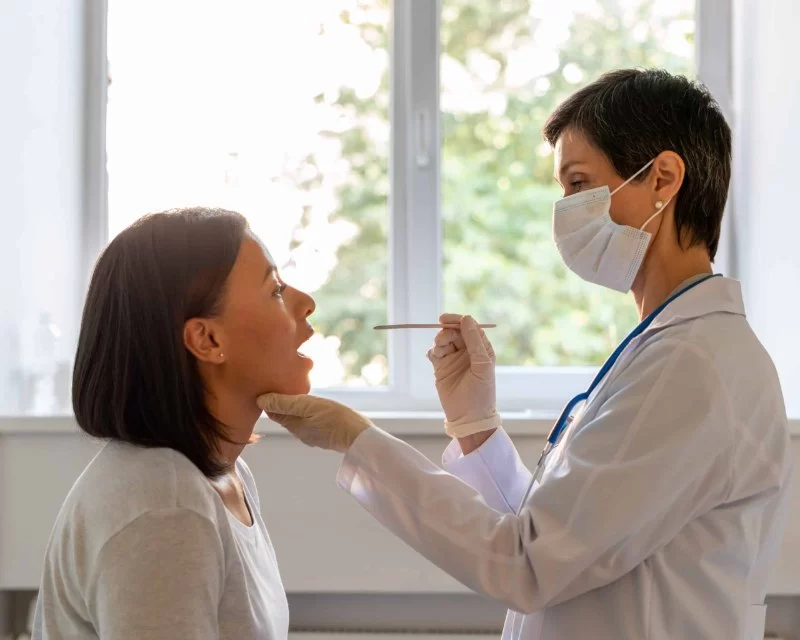
Understanding Diseases Transmitted Through Oral Contact
Many people are surprised to learn that certain diseases can only be transmitted orally. Oral transmission refers to the spread of pathogens through saliva, kissing, or contact with the mouth and throat. Unlike infections that travel via blood or sexual activity, these conditions rely solely on oral pathways to move from one person to another. This makes awareness especially important, as oral health practices and hygiene habits directly impact the likelihood of infection. In the United States, where discussions about oral hygiene often focus on cavities and gum disease, the topic of oral disease transmission is often overlooked, leaving many unaware of potential risks.
1. Oral Herpes: The Most Commonly Transmitted Oral Disease
Herpes Simplex Virus type 1 (HSV-1), also known as oral herpes, is one of the most well-known diseases transmitted exclusively through oral contact. It spreads through kissing, sharing utensils, or even casual mouth-to-mouth contact. According to the World Health Organization, more than half of the global population under the age of 50 carries HSV-1. In the U.S., cold sores caused by HSV-1 are extremely common, often first appearing in childhood. The virus lies dormant in nerve tissue and can reactivate during stress or illness, causing recurrent outbreaks. Although not life-threatening, the visibility of cold sores can cause emotional distress and stigma, which further emphasizes the importance of understanding oral transmission.
2. The Role of Saliva in Oral Disease Transmission
Saliva is the main vehicle for oral disease transmission. It contains various microorganisms, including viruses and bacteria, that can easily pass from one person to another. Unlike bloodborne diseases, which require more direct exposure, oral pathogens spread through seemingly innocent interactions. For example, a family sharing cups or utensils can unknowingly pass on HSV-1 or other oral infections. Saliva also contains enzymes that break down food, creating an environment where viruses can remain stable long enough to infect another host. This makes practices like sharing drinks or toothbrushes risky, especially for children whose immune systems are still developing.
3. Real-Life Example: A College Dorm Outbreak
Consider a case on a U.S. college campus where several students developed cold sores within weeks of each other. Investigation revealed that many of them had been sharing drinks and engaging in casual social contact at parties. None of the students had previously shown symptoms, but because HSV-1 can remain dormant, one asymptomatic student unknowingly spread the virus to multiple peers. This real-life scenario highlights how quickly oral diseases can circulate in close communities, particularly where oral contact is frequent. It also illustrates the importance of education about the ways oral-only diseases spread, beyond the standard discussions of sexual health or hygiene.
4. Beyond Herpes: Other Oral-Only Transmission Risks
While HSV-1 is the most well-documented disease that can only be transmitted orally, other infections can also spread predominantly through oral pathways. For example, certain strains of Coxsackievirus, which cause hand, foot, and mouth disease, spread primarily via saliva. This is especially common among young children in daycare or school settings. Infectious mononucleosis, often called “the kissing disease,” caused by the Epstein-Barr virus, is another illness spread through oral contact. Though not as restricted to oral-only transmission as herpes, these conditions highlight how oral routes serve as the primary or most efficient mode of infection. These diseases remind us that the mouth is a gateway not just for food and communication, but also for pathogens.
5. Oral Hygiene as a Preventive Tool
Maintaining strong oral hygiene practices significantly reduces the risk of developing or spreading oral-transmitted diseases. Regular brushing, flossing, and rinsing with antiseptic mouthwash help reduce bacterial load in the mouth, making it harder for infections to thrive. Avoiding the sharing of utensils, lip balms, or drinking containers is equally important. For families, teaching children about personal hygiene early can prevent the spread of viruses in household settings. Preventive care, including routine dental checkups, ensures that infections are caught early and do not escalate. At Family Dentistry Online, resources and professional care options are available for individuals seeking ways to protect themselves and their loved ones from oral transmission risks.
6. When to Seek Medical or Dental Attention
If you experience symptoms such as recurring cold sores, swollen gums, or painful oral lesions, it may be time to consult a healthcare provider or dentist. Persistent oral issues may signal a viral infection like HSV-1 or another oral-transmitted condition. While many oral diseases are manageable, untreated infections can spread, leading to complications. For instance, a viral outbreak can make eating and speaking painful, disrupting daily life. Seeking care ensures proper diagnosis and treatment, whether it’s antiviral medication, lifestyle recommendations, or advice on preventing further spread to loved ones. Early intervention remains the key to reducing both physical discomfort and social stigma associated with oral-only diseases.
7. Social Awareness and Reducing Stigma
One of the greatest challenges of oral-only diseases is the stigma attached to visible symptoms like cold sores. Misunderstanding often leads to isolation, embarrassment, or fear of social interaction. However, education plays a powerful role in reducing stigma. By understanding that diseases like HSV-1 are extremely common and transmitted through everyday contact, people can approach the subject with compassion rather than judgment. Encouraging open conversations helps those affected feel supported and ensures that preventive steps—like avoiding contact during outbreaks—are taken seriously. Breaking the stigma is as essential as breaking the chain of transmission.

 Claire L. Ho, DDS5.0 (5 review)
 Dental Health Associates5.0 (284 review)
 Rivers Family Dentistry4.0 (365 review)
 Dental Kidz Club - Corona4.0 (186 review)
 Serenity Dental - Dr. Danielle Angelo, DMD4.0 (279 review)
 Southeast Orthodontics4.0 (18 review)
 The Importance of Oral Health Education During Pregnancy for a Healthy Pregnancy
 Best Tips for Brushing Your Teeth Properly for Healthy Gums: Essential Techniques for Oral Health
 Why Skipping Dental Checkups Can Lead to Bigger Oral Health Problems
 Advantages of Porcelain Dental Restorations
 How Can Diabetes Cause Tooth and Gum Problems? Preventing and Managing Oral Health Issues
 Healthy Habits for Promoting Good Oral Health and Hygiene: Tips for a Healthy Smile