
1. Understanding Oral Transmission of Diseases
When people ask, what disease can be transmitted orally, they are often surprised by how many infections can spread through the mouth. Oral transmission happens through saliva, direct contact, or contaminated objects. Because the mouth is rich with bacteria and serves as an entry point to the body, it can be a pathway for both mild and serious conditions. Understanding this helps individuals take steps to safeguard both oral and overall health.
2. Common Diseases That Can Spread Orally
Several well-documented illnesses can be transmitted through oral contact. Cold and flu viruses, for example, often spread through kissing or sharing utensils. Strep throat is another common infection, caused by bacteria that can easily pass via droplets or saliva. Oral herpes, caused by the herpes simplex virus, spreads through skin-to-skin contact and remains a lifelong condition once acquired. Even mononucleosis, famously nicknamed the “kissing disease,” spreads primarily through saliva exchange. Each of these examples shows how everyday interactions can carry hidden risks.
3. Serious Infections Linked to Oral Transmission
Beyond common colds and sore throats, some more serious infections can also be transmitted orally. Hepatitis B and C can spread through blood-to-blood contact, which may include oral injuries. Human papillomavirus (HPV), while often associated with sexual contact, can be transmitted through oral exposure and has been linked to oral cancers. While not all oral exposures result in illness, these risks highlight the importance of awareness and prevention.
4. Real Stories Highlighting Oral Transmission Risks
In recent years, public health organizations have reported cases where oral transmission played a role in unexpected outbreaks. One college campus saw a cluster of mononucleosis cases traced back to shared drinking bottles at sports events. In another case, a family experienced recurring strep throat infections because they continued to share utensils without realizing how easily the bacteria could spread. These real-world examples remind us that oral hygiene and cautious habits make a significant difference in preventing illness.
5. How Oral Hygiene Affects Transmission
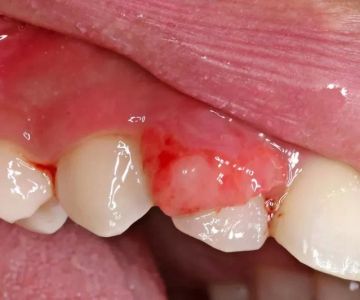
Good oral hygiene not only prevents cavities and gum disease but also lowers the chance of transmitting or receiving infections. Brushing and flossing reduce bacterial buildup, while avoiding the sharing of toothbrushes, utensils, and cups minimizes cross-contamination. Dental professionals emphasize that treating gum disease or oral lesions promptly reduces risks, since open sores in the mouth provide easier pathways for pathogens.
6. Preventive Steps to Protect Yourself and Others
Practical prevention begins with simple choices: washing hands before eating, avoiding close contact when sick, and maintaining routine dental visits. Vaccinations, such as those for hepatitis and HPV, further reduce oral transmission risks. Parents can teach children about not sharing straws or utensils at school to help curb the spread of everyday infections. These small, consistent practices create long-term protection for individuals and communities alike.
7. Professional Support for Safer Oral Health
If you are concerned about diseases that can be transmitted orally, professional advice can help you understand and minimize risks. Family Dentistry Online offers trusted resources, expert recommendations, and preventive care solutions. By staying informed and practicing strong oral hygiene habits, you not only protect your smile but also guard your body against infections that begin in the mouth.

 Finesse Dental Care4.0 (133 review)
 Sea Mar Community Health Centers - 11th St3.0 (55 review)
 Cerritos Dental Surgery5.0 (137 review)
 Mesa Dental Home4.0 (288 review)
 Community Dental of Burlington4.0 (281 review)
 Arizona Orthodontic Centers5.0 (1756 review)
 The Importance of Oral Health Education During Pregnancy for a Healthy Pregnancy
 Best Tips for Brushing Your Teeth Properly for Healthy Gums: Essential Techniques for Oral Health
 Why Skipping Dental Checkups Can Lead to Bigger Oral Health Problems
 Advantages of Porcelain Dental Restorations
 How Can Diabetes Cause Tooth and Gum Problems? Preventing and Managing Oral Health Issues
 Healthy Habits for Promoting Good Oral Health and Hygiene: Tips for a Healthy Smile