
Understanding the Consequences of Bad Oral Hygiene
Maintaining good oral hygiene is crucial not only for a bright smile but also for overall health. Neglecting oral care can lead to serious consequences, affecting both your teeth and systemic well-being. Bad oral hygiene doesn’t just cause cavities; it opens the door to infections, chronic diseases, and costly dental treatments.
1. Tooth Decay and Cavities
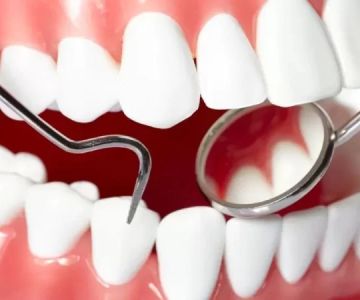
The most common effect of poor oral hygiene is tooth decay. When plaque—a sticky film of bacteria—builds up on teeth, it produces acids that erode tooth enamel. Without regular brushing and flossing, these acids create cavities that can progress to severe tooth pain, infection, and even tooth loss. For example, a 45-year-old patient named Sarah ignored mild tooth sensitivity for months, which eventually developed into multiple cavities requiring root canals and extractions.
2. Gum Disease and Its Serious Implications
Bad oral hygiene is the leading cause of gum disease, including gingivitis and periodontitis. Gingivitis causes inflamed, bleeding gums, but if untreated, it progresses to periodontitis—a more severe infection that damages gums and bone supporting teeth. Periodontitis can result in tooth loosening or loss and has been linked to other health problems such as cardiovascular disease and diabetes.
2.1 The Link Between Gum Disease and Heart Health
Researchers have found that bacteria from infected gums can enter the bloodstream, contributing to inflammation and plaque buildup in arteries. This connection means that poor oral hygiene can indirectly increase the risk of heart attacks and strokes.
3. Bad Breath and Its Social Impact
Halitosis, or chronic bad breath, is often caused by bacterial buildup due to inadequate oral care. This condition can severely affect self-esteem and social interactions. John, a college student, found that improving his brushing and flossing routine helped him regain confidence and improved his personal relationships.
4. Oral Infections and Abscesses
Untreated cavities and gum disease can lead to painful infections or abscesses—pockets of pus caused by bacterial invasion. These infections can spread beyond the mouth, causing severe health complications requiring urgent medical care.
5. Impact on Overall Health and Pregnancy
Poor oral hygiene has been linked to complications beyond the mouth. Pregnant women with gum disease face higher risks of premature birth and low birth weight babies. Additionally, studies suggest correlations between oral infections and respiratory diseases or worsened blood sugar control in diabetics.
6. Preventing the Downside: Best Oral Hygiene Practices
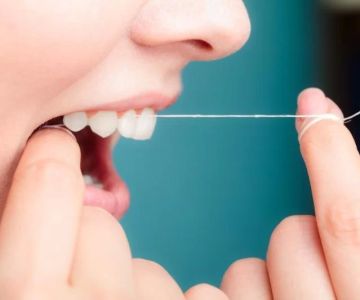
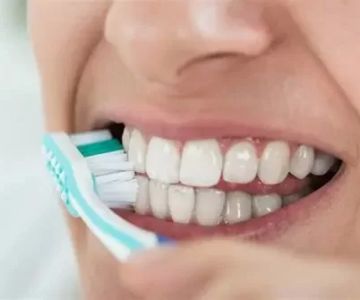
Fortunately, most consequences of bad oral hygiene are preventable. Regular brushing twice a day with fluoride toothpaste, daily flossing, and routine dental check-ups can drastically reduce risks. Using antimicrobial mouthwash and maintaining a balanced diet further support oral health.
6.1 Role of Professional Dental Care
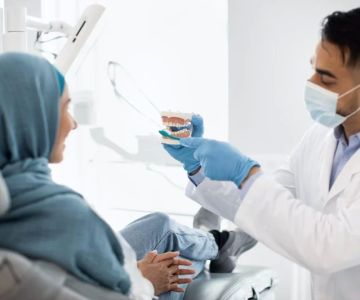
Professional cleanings remove plaque and tartar that at-home care cannot, preventing gum disease progression. Early detection of oral issues during dental visits helps manage problems before they become severe and costly.
7. The Importance of Education and Awareness
Public health initiatives focused on educating people about oral hygiene have proven effective in reducing dental problems. Sharing stories like Sarah’s or John’s helps highlight the real-life impact of neglect and encourages proactive care.
Understanding what bad oral hygiene can lead to empowers you to take control of your dental health. For personalized advice and the best dental care options, visit Dentistry Toothtruth, where expert professionals are ready to guide you toward a healthier smile and a better quality of life.


 Jianjun Hao, DDS, MS, PhD4.0 (1 review)
 Children's Dental FunZone - Pediatric Dentist & Orthodontist - West LA4.0 (1410 review)
 BGW Dental Group4.0 (292 review)
 Town Square Dental & Orthodontics4.0 (311 review)
 Dr. Kimmy4.0 (111 review)
 McLemore Dentistry4.0 (330 review)
 The Importance of Oral Health Education During Pregnancy for a Healthy Pregnancy
 Best Tips for Brushing Your Teeth Properly for Healthy Gums: Essential Techniques for Oral Health
 Why Skipping Dental Checkups Can Lead to Bigger Oral Health Problems
 Advantages of Porcelain Dental Restorations
 How Can Diabetes Cause Tooth and Gum Problems? Preventing and Managing Oral Health Issues
 Healthy Habits for Promoting Good Oral Health and Hygiene: Tips for a Healthy Smile