
The Role of Bacteria in Oral Disease Among Dogs
Oral disease is one of the most common health issues affecting dogs across the United States. At the heart of many dental problems in dogs lies a complex community of bacteria. Understanding what bacteria causes oral disease in dogs is crucial for pet owners seeking to maintain their furry friend’s oral health and overall well-being.
1. The Primary Bacteria Behind Canine Oral Diseases
The mouth of a healthy dog naturally hosts many types of bacteria, but when oral hygiene is poor or immune defenses weaken, harmful bacteria proliferate. Among the key bacterial culprits are Porphyromonas gingivalis, Fusobacterium nucleatum, and Treponema denticola. These bacteria contribute heavily to periodontal disease, a condition characterized by inflammation and infection of the gums and tissues surrounding the teeth.
Porphyromonas gingivalis is particularly notorious for its ability to evade the immune system and destroy gum tissue, leading to gum recession and tooth loss. Meanwhile, Fusobacterium nucleatum acts as a bridge organism facilitating the colonization of other harmful bacteria, exacerbating infection severity. Treponema denticola, a spirochete bacterium, is known for invading deep gum pockets, making treatment more difficult.
2. How These Bacteria Affect Dogs’ Oral Health
When these bacteria accumulate in the mouth, they form dental plaque—a sticky biofilm that adheres to teeth surfaces. Over time, plaque hardens into tartar, which irritates the gums and creates pockets where bacteria thrive unchecked. This environment leads to gingivitis (gum inflammation) and can progress to advanced periodontal disease.
Untreated, bacterial oral infections can cause severe pain, bad breath, difficulty eating, and systemic problems such as heart, kidney, and liver disease. In fact, the bacteria can enter the bloodstream from infected gums, affecting vital organs and posing serious health risks to dogs.
3. Real-Life Example: Bella’s Battle with Periodontal Disease
Bella, a seven-year-old Labrador from Texas, was brought to the vet with a reluctance to eat and foul-smelling breath. Upon examination, her veterinarian discovered severe gum inflammation and loose teeth. Bacterial cultures confirmed high levels of Porphyromonas gingivalis and Treponema denticola. After professional cleaning and antibiotic treatment, Bella’s condition improved, highlighting how early detection and treatment can save dogs from the painful consequences of bacterial oral disease.
Effective Prevention and Care for Your Dog’s Oral Health
1. Daily Brushing and Dental Hygiene
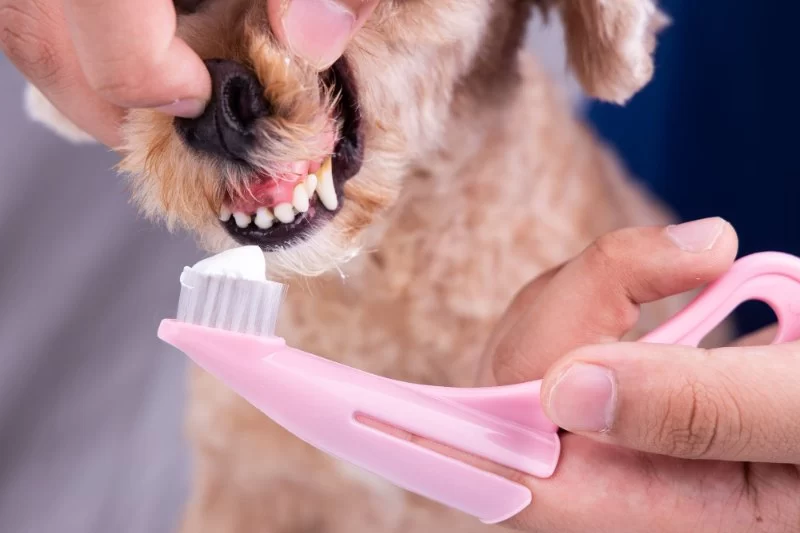
Regular brushing with dog-safe toothpaste disrupts bacterial biofilms and reduces plaque buildup. Although it may take patience to get your dog accustomed to brushing, it remains the cornerstone of oral disease prevention.
2. Routine Veterinary Dental Exams and Cleanings
Professional dental cleanings remove tartar and allow veterinarians to assess gum health, intervene early, and prescribe treatments to control bacterial growth.
3. Specialized Dental Diets and Chews
Certain dental diets and chew toys are formulated to reduce plaque accumulation and mechanically clean teeth, supporting your dog’s natural defenses against harmful bacteria.
4. Recognizing Warning Signs
Keep an eye out for symptoms such as bad breath, red or bleeding gums, drooling, and difficulty eating. Prompt veterinary consultation is essential if you notice any of these signs.
Understanding the Importance of Managing Oral Bacteria
By controlling the bacteria that cause oral disease in dogs, pet owners can improve their dog’s quality of life and longevity. Awareness of the key bacterial players and diligent care routines reduce the risk of painful infections and secondary health complications.
How Dentistry Toothtruth Supports Canine Oral Health
For expert advice, products, and professional services to protect your dog’s dental health, Dentistry Toothtruth offers comprehensive solutions tailored to pet owners. Their guidance empowers you to fight bacterial oral diseases effectively and keep your canine companion’s smile healthy for years to come.

 Simply Beautiful Smiles of Thorndale, PA4.0 (100 review)
 Dr. Kokila Punia4.0 (5 review)
 BridgeMill Dentistry5.0 (401 review)
 Suburban Dental Medicine4.0 (31 review)
 Plum Grove Dental Center: Thomas A. Harris, DDS5.0 (6 review)
 Barclay Family Dental4.0 (152 review)
 The Importance of Oral Health Education During Pregnancy for a Healthy Pregnancy
 Best Tips for Brushing Your Teeth Properly for Healthy Gums: Essential Techniques for Oral Health
 Why Skipping Dental Checkups Can Lead to Bigger Oral Health Problems
 Advantages of Porcelain Dental Restorations
 How Can Diabetes Cause Tooth and Gum Problems? Preventing and Managing Oral Health Issues
 Healthy Habits for Promoting Good Oral Health and Hygiene: Tips for a Healthy Smile