
What Are Veneers in Dentistry? Everything You Need to Know About Dental Veneers
- 1. What Are Veneers?
- 2. Types of Veneers: Porcelain vs. Composite
- 3. The Veneer Procedure: What to Expect
- 4. Benefits of Veneers in Cosmetic Dentistry
- 5. Who Should Consider Veneers?
- 6. Veneer Aftercare and Maintenance
1. What Are Veneers?
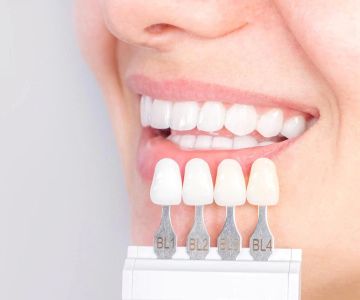
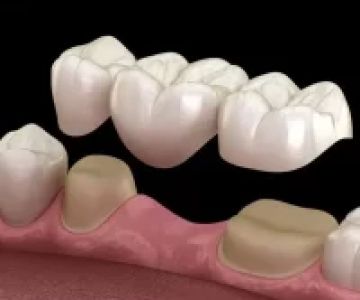
Veneers are thin, custom-made shells designed to cover the front surface of your teeth. Made from either porcelain or composite resin, they are bonded to the teeth to improve their appearance. Veneers can address various cosmetic dental issues, such as discoloration, chips, cracks, and even slight misalignments.
Why Choose Veneers?
Veneers are a popular choice in cosmetic dentistry because they offer a quick and effective solution for people looking to enhance their smile. Whether you're concerned about discolored teeth, gaps, or misaligned teeth, veneers provide a minimally invasive alternative to more extensive dental procedures like crowns or braces.
2. Types of Veneers: Porcelain vs. Composite
When it comes to veneers, there are two primary types: porcelain veneers and composite veneers. Each has its own set of advantages and is suited to different needs and preferences.
Porcelain Veneers
Porcelain veneers are made from high-quality ceramic and are known for their durability and natural appearance. They are resistant to stains, making them ideal for those who want a long-lasting solution for discolored or chipped teeth. Porcelain veneers are typically more expensive than composite veneers, but their longevity and aesthetic appeal make them a top choice in cosmetic dentistry.
Composite Veneers
Composite veneers are made from a tooth-colored resin material, which is applied directly to the teeth and sculpted to achieve the desired look. While composite veneers are more affordable than porcelain veneers, they may not last as long and are more prone to staining over time. However, they offer a quicker and less invasive procedure, often requiring only one visit to the dentist.
3. The Veneer Procedure: What to Expect
The process of getting veneers typically involves two or three visits to the dentist. The procedure is straightforward and minimally invasive, making it an excellent choice for many patients.
Step 1: Consultation and Planning
Your journey to a new smile begins with a consultation. During this appointment, your dentist will examine your teeth, discuss your goals, and determine whether veneers are the right solution for you. X-rays or impressions of your teeth may be taken to help design the perfect veneers for your smile.
Step 2: Preparing Your Teeth
Before applying the veneers, your dentist will prepare your teeth by removing a small amount of enamel to make room for the shells. This step is crucial to ensure that the veneers fit comfortably and look natural. For composite veneers, this step may be less invasive, as the material is applied directly to the tooth.
Step 3: Applying the Veneers
Once your teeth are prepared, the veneers are custom-made to match the shape and color of your natural teeth. The veneers are then bonded to the front surface of your teeth using a special adhesive. For porcelain veneers, your dentist may need to make adjustments to ensure a perfect fit. After the veneers are applied, your dentist will check your bite and make any necessary adjustments.
4. Benefits of Veneers in Cosmetic Dentistry
Veneers offer numerous benefits for those seeking a cosmetic dental solution. Here are some of the most notable advantages:
1. Improved Appearance
Veneers can dramatically improve the appearance of your smile. They can conceal discoloration, close gaps between teeth, and correct minor misalignments. Whether you have chipped, cracked, or uneven teeth, veneers offer a natural-looking solution.
2. Minimally Invasive
Compared to other cosmetic procedures like crowns or braces, veneers are minimally invasive. The procedure typically requires little to no anesthesia, and only a small amount of tooth enamel is removed.
3. Long-Lasting Results
With proper care, porcelain veneers can last for 10 to 15 years, providing a long-lasting solution to cosmetic dental issues. They are resistant to stains and wear, making them an excellent option for those who want a durable smile makeover.
4. Quick Transformation
Veneers provide a quick way to transform your smile. Unlike braces, which can take months or even years to produce results, veneers can provide a beautiful, straight smile in just a few visits.
5. Who Should Consider Veneers?
Veneers are an ideal solution for people looking to enhance their smile without undergoing major dental procedures. If you have healthy teeth but are struggling with aesthetic issues such as:
- Discoloration that doesn't respond to whitening treatments
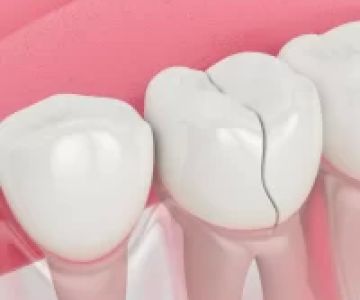
- Chipped, cracked, or worn-down teeth
- Gaps between teeth
- Minor misalignments
Veneers could be the perfect cosmetic solution for you. It's important to note that individuals with severe tooth decay, gum disease, or other dental health issues may need to address these concerns before considering veneers.
6. Veneer Aftercare and Maintenance
After receiving veneers, it's essential to take proper care of your new smile to ensure their longevity and maintain your oral health. Here are some tips for keeping your veneers in great condition:
1. Practice Good Oral Hygiene
Continue to brush your teeth twice a day and floss daily. Veneers are resistant to stains, but they can still accumulate plaque, so maintaining a good oral hygiene routine is crucial for keeping your veneers and natural teeth healthy.
2. Avoid Certain Foods and Habits
While porcelain veneers are durable, it's best to avoid hard foods like ice and candies that could damage them. Additionally, if you grind your teeth at night, consider wearing a mouthguard to prevent damage to your veneers.
3. Regular Dental Check-ups
Visiting your dentist regularly for check-ups ensures that your veneers remain in good condition and allows your dentist to monitor the health of your teeth and gums.
If you're ready to improve your smile with veneers, visit Dentistry Toothtruth for more information on the veneer procedure, options, and to schedule a consultation with a cosmetic dentist.

 Thrive Orthodontics5.0 (143 review)
 Village Orthodontics4.0 (115 review)
 Dr. Edward D. Williams4.0 (10 review)
 Batavia Family Dental: Korpan Kenneth A DDS4.0 (75 review)
 Aspen Dental - Gloucester, MA4.0 (148 review)
 Buttacavoli Dental Arts5.0 (16 review)
 The Importance of Oral Health Education During Pregnancy for a Healthy Pregnancy
 Best Tips for Brushing Your Teeth Properly for Healthy Gums: Essential Techniques for Oral Health
 Why Skipping Dental Checkups Can Lead to Bigger Oral Health Problems
 Advantages of Porcelain Dental Restorations
 How Can Diabetes Cause Tooth and Gum Problems? Preventing and Managing Oral Health Issues
 Healthy Habits for Promoting Good Oral Health and Hygiene: Tips for a Healthy Smile