
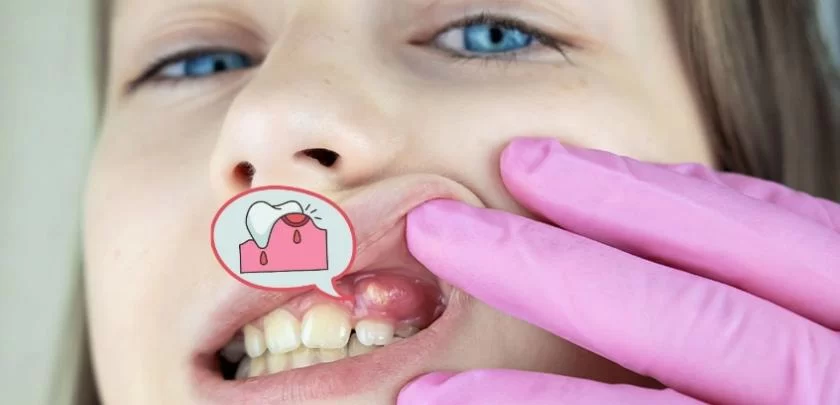
What Are the Symptoms of a Root Canal Infection? Identifying the Signs Early
- Pain and Discomfort: The First Warning Signs
- Swelling and Inflammation Around the Affected Tooth
- Tooth Discoloration and Sensitivity
- Pus and a Foul Taste in the Mouth
- When to Seek Treatment for Root Canal Infection
1. Pain and Discomfort: The First Warning Signs
One of the most common symptoms of a root canal infection is intense pain or discomfort in the affected tooth. This pain can range from a mild, dull ache to severe, throbbing discomfort that seems to pulse with each heartbeat. The pain often becomes more noticeable when chewing or applying pressure to the tooth, which is why many people first realize something is wrong when eating or drinking.
The pain is typically caused by the infection in the pulp of the tooth, where the nerves are located. As bacteria multiply inside the tooth, they irritate the nerve, leading to inflammation and pain. The pain may worsen over time, so it's important not to ignore these early warning signs.
2. Swelling and Inflammation Around the Affected Tooth
Another common symptom of a root canal infection is swelling in the gums surrounding the affected tooth. This swelling can make the area feel tender or painful to the touch. The gums may also appear red or inflamed, which is a clear indication that there is an infection beneath the surface.
If the infection is severe, it may lead to the formation of an abscess, which is a pocket of pus that builds up as a result of the bacterial infection. This can cause noticeable swelling and discomfort in the area near the tooth and may even spread to the surrounding facial tissues.
3. Tooth Discoloration and Sensitivity
If you notice that your tooth is becoming darker or discolored, it could be a sign of a root canal infection. As the infection progresses, it can affect the blood flow to the tooth, leading to a change in color. The tooth may turn yellow, brown, or even grey, depending on the severity of the infection.
In addition to discoloration, sensitivity to hot and cold temperatures is another common symptom. The infected tooth may become more sensitive to hot or cold beverages and food, even when you’re not chewing. This heightened sensitivity is due to the irritation of the tooth’s nerve, which can become more sensitive as the infection worsens.
4. Pus and a Foul Taste in the Mouth
As the infection in your tooth progresses, it can cause pus to accumulate at the root, leading to a foul taste in the mouth. If you notice a strange, unpleasant taste in your mouth that doesn’t go away even after brushing, it could be a sign of an infection. This taste may be accompanied by an unpleasant odor from your mouth, which can be particularly noticeable when you wake up in the morning.
In some cases, the pus may begin to drain through the gums or into your mouth. This drainage is a sign that the infection has become quite serious and is affecting the root of the tooth. If you experience any of these symptoms, it's important to seek professional dental care as soon as possible to prevent further complications.
5. When to Seek Treatment for Root Canal Infection
If you experience any of the symptoms mentioned above, it’s important to seek dental treatment as soon as possible. A root canal infection is a serious condition that requires immediate attention to avoid the spread of infection to surrounding teeth or even the jawbone.
A dentist or endodontist can evaluate the severity of the infection and recommend the appropriate treatment. In most cases, a root canal procedure is necessary to remove the infected tissue and save the tooth. During the procedure, the dentist will clean out the infected pulp and seal the tooth to prevent further infection.
If left untreated, a root canal infection can lead to the loss of the affected tooth and the development of more serious complications, including abscess formation, bone damage, and systemic infection. Don’t delay in seeking treatment if you notice any signs of a root canal infection.
For more information about root canal infections and treatments, or to schedule an appointment, visit Dentistry Toothtruth.






 Loma Linda University School of Dentistry3.0 (154 review)
 Comfort Dental Care4.0 (596 review)
 Dental Solutions Market Street4.0 (576 review)
 Platinum Dental Hawaii4.0 (8 review)
 North Park Family Dental: Dr. Michelle Kline4.0 (25 review)
 Weimar Family & Implant Dentistry4.0 (778 review)
 The Importance of Oral Health Education During Pregnancy for a Healthy Pregnancy
 Best Tips for Brushing Your Teeth Properly for Healthy Gums: Essential Techniques for Oral Health
 Why Skipping Dental Checkups Can Lead to Bigger Oral Health Problems
 Advantages of Porcelain Dental Restorations
 How Can Diabetes Cause Tooth and Gum Problems? Preventing and Managing Oral Health Issues
 Healthy Habits for Promoting Good Oral Health and Hygiene: Tips for a Healthy Smile