
Understanding Poor Oral Hygiene and Its Impact
Poor oral hygiene is a widespread issue affecting millions across the United States, leading to various dental problems, including dental caries, commonly known as cavities. Maintaining good oral hygiene is crucial because it prevents the buildup of harmful bacteria that damage teeth and gums. But what exactly are the signs of poor oral hygiene and dental caries? Recognizing these early symptoms is essential to avoid more severe dental complications down the road.
1. Visible Signs of Poor Oral Hygiene
One of the most immediate and noticeable signs of poor oral hygiene is the presence of plaque buildup on teeth. Plaque is a sticky film of bacteria that forms on the teeth when oral care is neglected. It can appear as a yellowish or white coating, especially near the gum line. If plaque isn’t removed by regular brushing and flossing, it hardens into tartar, which can only be professionally cleaned.
Another visible symptom is inflamed or bleeding gums. Healthy gums should be firm and pink, but poor oral hygiene often results in red, swollen gums that bleed easily during brushing or flossing. This condition, known as gingivitis, can progress to periodontitis, a more severe gum disease affecting the bone supporting teeth.
2. Signs Specific to Dental Caries
Dental caries, or cavities, develop when acids produced by bacteria erode the enamel, the outer protective layer of the teeth. Early signs include white spots or discoloration on the tooth surface, indicating mineral loss. As decay advances, brown or black spots appear, and the tooth surface may develop pits or holes.
Tooth sensitivity is another common symptom. Individuals may experience sharp pain or discomfort when consuming hot, cold, sweet, or acidic foods and drinks. In more advanced stages, the pain can become constant and severe, sometimes leading to infections and abscesses, which require immediate dental care.
3. The Role of Bad Breath and Dry Mouth
Chronic bad breath (halitosis) is frequently associated with poor oral hygiene and dental caries. The accumulation of bacteria and food particles in the mouth emits unpleasant odors. Additionally, dry mouth, or xerostomia, can exacerbate oral health problems by reducing saliva, which naturally helps cleanse the mouth and neutralize acids.
4. Behavioral and Lifestyle Factors Contributing to Poor Oral Hygiene
Poor oral hygiene doesn’t happen overnight. It is often the result of neglecting regular brushing and flossing routines, infrequent dental visits, poor diet high in sugary foods, smoking, and other lifestyle habits. For example, a recent survey in the U.S. found that individuals who consume sugary snacks and beverages multiple times daily are significantly more likely to develop dental caries.
Smoking also reduces blood flow to the gums, impairs healing, and increases the risk of gum disease and tooth decay. Understanding these factors helps explain why some people are more prone to poor oral health despite efforts to maintain hygiene.
5. Real-Life Stories Highlighting the Consequences
Consider the story of Lisa, a young professional who ignored early signs of gum inflammation and tooth sensitivity due to a busy lifestyle. Over time, her dental caries worsened, leading to toothache and the need for a root canal treatment. Lisa’s experience underscores the importance of recognizing signs early and seeking dental care promptly.
Another case involves Mark, who struggled with persistent bad breath despite daily brushing. After professional evaluation, it was revealed that untreated cavities and gum disease were the culprits. Once treated and with improved hygiene habits, Mark’s oral health significantly improved, as did his confidence.
6. Effective Prevention and Care Strategies
Prevention is the best approach to combat poor oral hygiene and dental caries. Here are some expert tips:
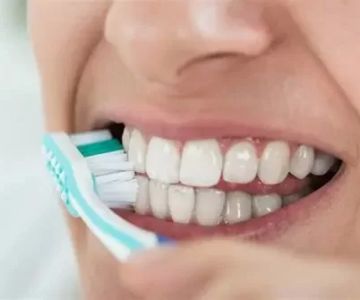
- Brush Twice Daily: Use fluoride toothpaste and brush for at least two minutes to remove plaque effectively.
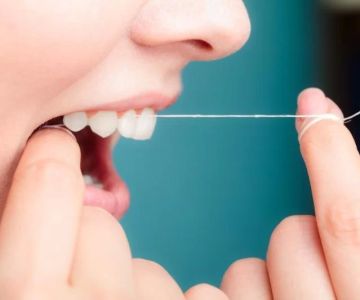
- Floss Daily: Flossing removes food particles and plaque between teeth where brushes can’t reach.
- Limit Sugary Foods and Drinks: Reducing sugar intake helps prevent acid production by bacteria.
- Stay Hydrated: Drinking water stimulates saliva production, essential for mouth cleansing.
- Regular Dental Check-ups: Visit your dentist at least twice a year for cleanings and early detection of dental problems.
- Quit Smoking: Avoid tobacco products to enhance gum health and reduce decay risk.
7. When to See a Dentist
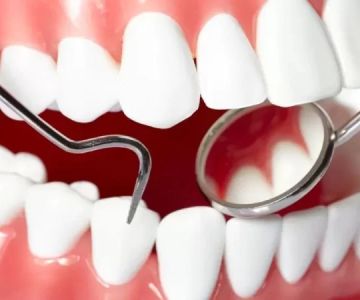
If you notice any signs of poor oral hygiene such as persistent bad breath, bleeding gums, tooth sensitivity, or visible decay, it’s critical to consult a dental professional immediately. Early intervention can save teeth from irreversible damage and improve overall oral health.
For those seeking trusted dental care and tailored advice in the U.S., Dentistry Toothtruth offers comprehensive services that address these concerns. With expert guidance and personalized treatment plans, you can restore and maintain a healthy, beautiful smile.



 AC Dental4.0 (145 review)
 Pasternack Pediatric Dental4.0 (40 review)
 Aspen Dental - Glendale, AZ4.0 (602 review)
 Holistic Dental Wellness Center - Iman Abdeshahian, DMD4.0 (166 review)
 Impressive Smiles4.0 (466 review)
 Crown Point Dental Care4.0 (453 review)
 The Importance of Oral Health Education During Pregnancy for a Healthy Pregnancy
 Best Tips for Brushing Your Teeth Properly for Healthy Gums: Essential Techniques for Oral Health
 Why Skipping Dental Checkups Can Lead to Bigger Oral Health Problems
 Advantages of Porcelain Dental Restorations
 How Can Diabetes Cause Tooth and Gum Problems? Preventing and Managing Oral Health Issues
 Healthy Habits for Promoting Good Oral Health and Hygiene: Tips for a Healthy Smile