
1. Understanding Oral Diseases and Their Impact on Health
Oral health plays a crucial role in your overall well-being, yet it’s often overlooked. Many people are unaware of the potential dental issues that can arise, leading to pain, discomfort, and long-term health problems if not addressed. The mouth is a gateway to the body, and issues like tooth decay or gum disease can lead to more serious systemic health complications. But with proper awareness and care, most oral diseases can be prevented or treated effectively.
Oral diseases are common in the United States, affecting millions of people each year. While some conditions are more severe than others, many oral diseases can be avoided by maintaining good oral hygiene practices, regular dental checkups, and a healthy diet. In this article, we will explore the most common oral diseases, their causes, symptoms, and prevention methods. Whether you’re looking to prevent dental issues or seeking guidance on treatment, this article will provide helpful information for keeping your smile healthy.
2. Cavities (Tooth Decay)
2.1. What Are Cavities?
Cavities, also known as tooth decay or dental caries, are one of the most common oral diseases. They occur when plaque—a sticky film of bacteria—builds up on your teeth and interacts with sugar and carbohydrates from food. The bacteria produce acids that eat away at the enamel, leading to holes or cavities in the teeth. If untreated, cavities can lead to infection, tooth loss, or more severe oral health issues.
2.2. Causes and Risk Factors
Several factors contribute to the development of cavities, including poor oral hygiene, a diet high in sugary foods and drinks, and not visiting the dentist regularly. Children, seniors, and individuals with weakened immune systems are more susceptible to cavities. Additionally, dry mouth, caused by certain medications or medical conditions, can increase the risk of tooth decay.
2.3. Symptoms
In the early stages, cavities may not show any symptoms. As they progress, you may experience tooth sensitivity, pain when chewing or drinking hot or cold liquids, and visible holes or dark spots in the teeth. If left untreated, cavities can lead to severe toothaches and infections that may require root canals or extractions.
2.4. Prevention and Treatment
Good oral hygiene is the most effective way to prevent cavities. Brushing your teeth twice a day with fluoride toothpaste, flossing daily, and visiting the dentist for regular checkups are essential habits. Avoiding sugary snacks and drinks, especially between meals, can also help protect your teeth from decay. If a cavity is detected early, it can usually be treated with a filling, preventing further damage to the tooth.
3. Gum Disease (Periodontal Disease)
3.1. What Is Gum Disease?
Gum disease, or periodontal disease, is an infection of the gums caused by the buildup of plaque and tartar. It can range from mild gingivitis to more severe periodontitis, which can lead to tooth loss. Gum disease is one of the leading causes of tooth loss in adults, and it can also affect the bones that support the teeth.
3.2. Causes and Risk Factors
Gum disease is primarily caused by poor oral hygiene, which allows plaque to build up on the teeth and gums. Smoking, a poor diet, diabetes, and certain medications can increase the risk of developing gum disease. Individuals with a family history of gum disease or those who have a weakened immune system are also at higher risk.
3.3. Symptoms
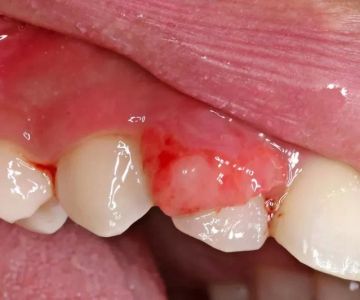
Early symptoms of gum disease include red, swollen, or bleeding gums, especially when brushing or flossing. As the condition worsens, you may experience receding gums, bad breath, loose teeth, and even tooth loss. In advanced stages, gum disease can result in severe discomfort and affect your ability to eat and speak comfortably.
3.4. Prevention and Treatment
The best way to prevent gum disease is by maintaining good oral hygiene. Brushing and flossing daily, along with regular dental cleanings, can help keep your gums healthy. If you notice symptoms like bleeding gums or persistent bad breath, it’s important to visit a dentist for a professional evaluation. Gum disease can often be treated with scaling and root planing, deep cleaning procedures that remove plaque and tartar from below the gumline. In severe cases, surgery may be required.
4. Oral Cancer
4.1. What Is Oral Cancer?
Oral cancer is a type of cancer that affects the mouth, lips, tongue, gums, and throat. While less common than other types of cancer, oral cancer is still a significant health concern. It can develop in various areas of the oral cavity, and if not detected early, it can spread to other parts of the body.
4.2. Causes and Risk Factors
Risk factors for oral cancer include smoking, excessive alcohol consumption, and human papillomavirus (HPV) infection. Age, family history, and poor nutrition can also increase your chances of developing oral cancer. It’s important to regularly monitor your oral health and visit your dentist for screenings, especially if you have any risk factors.
4.3. Symptoms
Common symptoms of oral cancer include persistent mouth sores, unexplained bleeding in the mouth, difficulty swallowing, and a lump or thickening in the mouth, neck, or throat. Painful or loose teeth and changes in speech or the voice can also be signs of oral cancer.
4.4. Prevention and Treatment
The best way to prevent oral cancer is by avoiding tobacco and alcohol use and practicing safe sex to reduce the risk of HPV. Eating a healthy diet rich in fruits and vegetables may also lower the risk of developing oral cancer. Early detection is key, so regular dental checkups and screenings are crucial for identifying potential problems. Treatment typically involves surgery, radiation therapy, or chemotherapy, depending on the stage of the cancer.
5. Tooth Sensitivity
5.1. What Is Tooth Sensitivity?
Tooth sensitivity occurs when the enamel on your teeth wears away, exposing the underlying dentin and nerves. This can cause pain or discomfort when consuming hot, cold, sweet, or acidic foods and drinks. Tooth sensitivity is a common condition that affects millions of people, but it can often be managed with the right care.
5.2. Causes and Risk Factors
Tooth sensitivity can be caused by a variety of factors, including brushing too hard, gum recession, or tooth decay. Other risk factors include teeth grinding, clenching, and consuming acidic foods and drinks. People who suffer from gum disease or have dental restorations may also experience increased sensitivity.
5.3. Symptoms
The primary symptom of tooth sensitivity is discomfort or pain when consuming hot, cold, sweet, or acidic foods and beverages. This pain can be sharp and sudden and typically occurs in specific teeth or areas of the mouth.
5.4. Prevention and Treatment
To manage tooth sensitivity, it’s important to use a soft-bristled toothbrush and avoid brushing too aggressively. If you grind your teeth, wearing a mouthguard at night can help protect your teeth. Desensitizing toothpaste, fluoride treatments, and dental bonding can also help reduce sensitivity. If the pain persists, it’s best to consult with your dentist to rule out other dental issues.
6. Dry Mouth (Xerostomia)
6.1. What Is Dry Mouth?
Dry mouth, or xerostomia, occurs when there is a reduction in saliva production. Saliva is essential for maintaining oral hygiene, as it helps wash away food particles, neutralize acids, and protect the teeth from decay. When the mouth doesn’t produce enough saliva, it can lead to discomfort, difficulty speaking, and an increased risk of tooth decay and gum disease.
6.2. Causes and Risk Factors
Dry mouth can be caused by a variety of factors, including medications, dehydration, medical conditions such as diabetes or Sjögren’s syndrome, and smoking. Certain treatments, like chemotherapy and radiation, can also reduce saliva production, leading to chronic dry mouth.
6.3. Symptoms
Common symptoms of dry mouth include a sticky or dry feeling in the mouth, difficulty swallowing, a dry or sore throat, and bad breath. It may also feel uncomfortable to eat or speak, and the tongue may appear dry or cracked.
6.4. Prevention and Treatment
Staying hydrated and using saliva substitutes can help manage dry mouth. Avoiding alcohol, caffeine, and tobacco can also reduce the symptoms. Your dentist may recommend special treatments such as fluoride varnishes or gels to protect your teeth from decay. In severe cases, medication to stimulate saliva production may be prescribed.



 Center One Dental Associates - Philadelphia Dentist4.0 (281 review)
 Crossroads Pediatric Dentistry0.0 (0 review)
 Dr. Paul V. Gallo, DDS3.0 (13 review)
 Anthony Brucci5.0 (2 review)
 Commonwealth Orthodontics & Pediatric Dentistry5.0 (279 review)
 Dr. Geetha J. Damodaran, DDS5.0 (2 review)
 The Importance of Oral Health Education During Pregnancy for a Healthy Pregnancy
 Best Tips for Brushing Your Teeth Properly for Healthy Gums: Essential Techniques for Oral Health
 Why Skipping Dental Checkups Can Lead to Bigger Oral Health Problems
 Advantages of Porcelain Dental Restorations
 How Can Diabetes Cause Tooth and Gum Problems? Preventing and Managing Oral Health Issues
 Healthy Habits for Promoting Good Oral Health and Hygiene: Tips for a Healthy Smile