
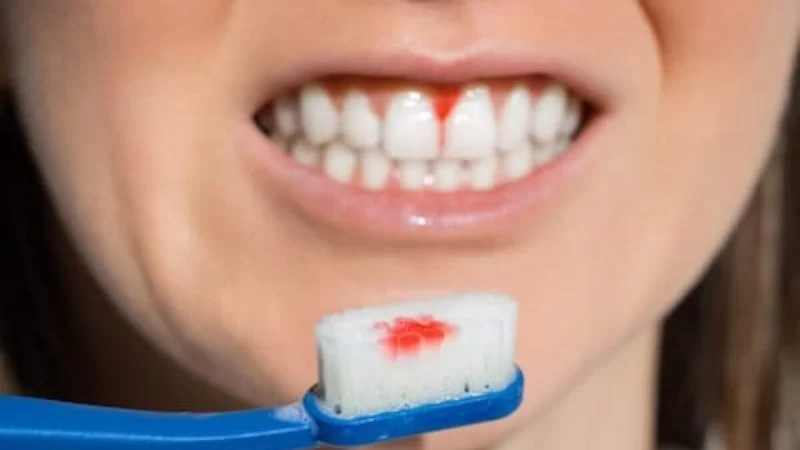
The hidden dangers of neglecting oral hygiene
Oral hygiene is not only about maintaining a bright smile—it directly impacts overall health. When brushing and flossing are neglected, bacteria build up in the mouth, leading to infections and inflammation. Over time, this can progress into more serious conditions such as gum disease and tooth decay. Many people underestimate the importance of daily oral care until they face painful or costly consequences.
How poor oral hygiene leads to gum disease
1. Gingivitis and early warning signs
The first stage of gum disease, gingivitis, is characterized by red, swollen gums that bleed easily. At this stage, the damage can often be reversed with proper dental care. Ignoring these signs, however, allows the condition to advance.
2. Periodontitis and long-term risks
If untreated, gingivitis can progress to periodontitis, a severe infection that damages the soft tissue and bone supporting the teeth. This stage often results in tooth loss, painful chewing, and even jawbone damage. The effects extend beyond the mouth, influencing overall health and increasing the risk of heart disease and diabetes.
The link between poor oral hygiene and systemic health
1. Cardiovascular complications
Studies show that the bacteria from gum infections can enter the bloodstream, contributing to clogged arteries and heart conditions. People with poor oral health are more likely to experience strokes and heart attacks compared to those with consistent oral care habits.
2. Diabetes and immune challenges
Poor oral hygiene makes it harder for the body to regulate blood sugar. This creates a dangerous cycle for those living with diabetes, as gum disease worsens glucose control and diabetes makes infections more difficult to heal.
Everyday consequences of neglecting your teeth
Bad breath, tooth discoloration, and recurring cavities are immediate and noticeable results of poor oral hygiene. These issues may seem minor, but they impact confidence, social interactions, and overall quality of life. For example, one college student shared how untreated cavities led to constant toothaches, making it hard to focus on studies and even causing embarrassment in group settings due to persistent bad breath.
Real-life stories highlighting the impact
A middle-aged man ignored routine dental visits for years, brushing only once a day and never flossing. Over time, he lost several teeth to periodontitis, which made eating painful and affected his speech. Another patient admitted that poor dental habits during stressful work periods eventually led to expensive root canal treatments. These personal accounts demonstrate how quickly neglect can escalate into life-changing problems.
Expert advice on prevention and solutions
1. Brushing and flossing consistency
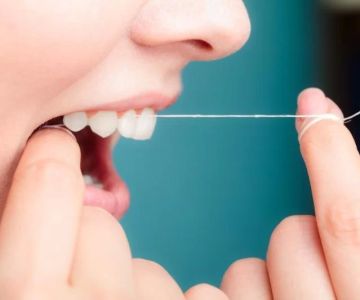
Dentists recommend brushing twice daily with fluoride toothpaste and flossing once a day to prevent plaque buildup. These simple habits form the foundation of healthy oral care.
2. Professional cleanings and check-ups
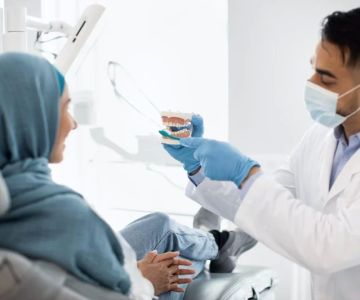
Visiting a dentist every six months for cleanings and exams helps detect early issues before they become severe. Professional care also removes tartar buildup that at-home brushing cannot eliminate.
3. Diet and lifestyle choices
Limiting sugary snacks and acidic drinks significantly reduces the risk of cavities. Staying hydrated and eating fiber-rich fruits and vegetables also promotes healthier gums and teeth.
Where to find trusted dental support
Taking action today prevents painful and costly consequences in the future. At Family Dentistry Online, you can find professional recommendations, trusted services, and expert resources to help maintain your oral health. Consistent care is the key to protecting both your smile and your overall well-being.


 Aurora Dental Care4.0 (153 review)
 Drs. Barker, Rohner & Hunt DMD, PLLC5.0 (412 review)
 South Pasadena Dental Group - General Dentist & Cosmetic Dentistry South Pasdena4.0 (76 review)
 Desert Valley Pediatric Dentistry - West Olive4.0 (705 review)
 Dr. David Newkirk - Cosmetic and General Dentistry5.0 (31 review)
 Tend East Nashville4.0 (319 review)
 The Importance of Oral Health Education During Pregnancy for a Healthy Pregnancy
 Best Tips for Brushing Your Teeth Properly for Healthy Gums: Essential Techniques for Oral Health
 Why Skipping Dental Checkups Can Lead to Bigger Oral Health Problems
 Advantages of Porcelain Dental Restorations
 How Can Diabetes Cause Tooth and Gum Problems? Preventing and Managing Oral Health Issues
 Healthy Habits for Promoting Good Oral Health and Hygiene: Tips for a Healthy Smile