
What Are the Causes of Oral Disease?
Oral disease is one of the most common health issues affecting Americans today, yet it is also among the most preventable. From gum disease to tooth decay, many conditions that affect the mouth are tied to lifestyle, hygiene, and health habits. By understanding what causes oral disease, individuals can take steps to reduce their risk and protect their long-term oral health. At Family Dentistry Online, we emphasize education as the first step to healthier smiles.
Poor Oral Hygiene and Its Consequences
The most significant factor in the development of oral disease is inadequate oral hygiene. Without regular brushing and flossing, plaque builds up on teeth. Over time, this sticky film of bacteria hardens into tartar, which can only be removed by a dental professional. Plaque and tartar are the leading culprits behind both cavities and gum disease. Neglecting simple daily habits often leads to painful infections, tooth loss, and costly treatments that could have been avoided.
1. Tooth Decay as a Primary Result
When bacteria in plaque feed on sugars from food and drinks, they produce acids that erode tooth enamel. This process gradually leads to cavities. Left untreated, cavities can progress to deeper infections, sometimes requiring root canals or extractions. A real-life example is John, a busy office worker who skipped routine brushing at night. Within two years, he needed multiple fillings due to untreated cavities that developed from plaque buildup.
2. Gum Disease Progression
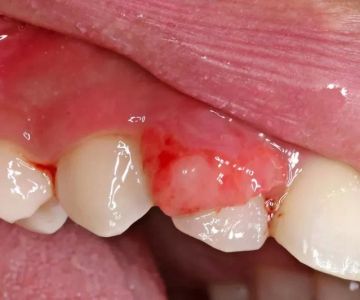
Poor hygiene also triggers gum disease, beginning with gingivitis, which causes swollen, bleeding gums. If ignored, it can progress to periodontitis, a more serious condition that destroys the bone supporting teeth. Advanced gum disease is one of the leading causes of tooth loss among adults. This progression shows how a small oversight, such as skipping flossing, can have long-lasting effects on oral health.
Diet and Nutrition’s Role in Oral Disease
What we eat has a direct impact on oral health. Diets high in sugar and processed carbohydrates provide the perfect environment for bacteria to thrive. Acidic foods and drinks, like soda and citrus juices, can erode enamel over time, increasing the risk of cavities and tooth sensitivity. Conversely, a balanced diet rich in calcium, vitamin D, and fiber supports strong teeth and gums.
3. Sugar and Its Hidden Dangers
Many people underestimate the amount of sugar in their daily diets. For example, flavored coffee drinks or energy drinks may contain more sugar than a dessert. These sugars coat teeth and accelerate bacterial activity. A widely reported case involved children in a community where soda consumption was high, leading to widespread cavities despite access to fluoridated water. This highlighted how critical diet is in preventing oral disease.
4. Lack of Essential Nutrients
Deficiencies in nutrients can weaken the body’s ability to fight off infections, including those in the mouth. Without enough calcium, bones that support teeth may weaken. Without vitamin C, gums may be more prone to inflammation. Nutrition is often an overlooked but powerful factor in oral health maintenance.
Lifestyle Habits That Contribute to Oral Disease
Beyond hygiene and diet, certain lifestyle habits dramatically increase the risk of oral disease. Smoking, for example, restricts blood flow to the gums, making it harder for tissue to heal and more likely to become infected. Excessive alcohol use can dry out the mouth, reduce saliva flow, and make it easier for bacteria to thrive. Stress also contributes indirectly, as it can cause people to grind their teeth or neglect their oral care routines.
5. Smoking and Gum Damage
Studies consistently show that smokers are far more likely to develop gum disease than non-smokers. In fact, smoking is one of the leading preventable causes of oral disease. Many patients find that even after years of smoking, quitting dramatically improves gum health and reduces the risk of tooth loss.
6. Stress and Oral Health Connection
Stress affects the body in many ways, and oral health is no exception. People under stress may clench or grind their teeth, leading to enamel wear or fractures. They may also experience dry mouth, which increases bacterial growth. For instance, during exam seasons, college students often report higher incidences of mouth ulcers and gum inflammation due to stress and poor sleep habits.
Underlying Medical Conditions That Lead to Oral Disease
Certain health conditions increase vulnerability to oral disease. Diabetes, for instance, weakens the immune system, making it harder to fight infections, including those in the mouth. Autoimmune conditions, hormonal changes, and even certain medications can alter saliva production, leaving the mouth dry and more prone to bacterial overgrowth.
7. The Link Between Diabetes and Gum Disease
People with uncontrolled diabetes are more likely to experience periodontal disease, and gum infections can, in turn, make it harder to control blood sugar. This cycle shows how oral health is deeply connected to overall health. Addressing gum disease can have benefits that extend far beyond the mouth.
8. Medications and Dry Mouth
Some prescription drugs, such as antihistamines, antidepressants, or blood pressure medications, reduce saliva flow. Since saliva is essential for washing away bacteria and neutralizing acids, a lack of it increases the likelihood of cavities and gum problems. Patients often find relief through professional dental advice tailored to their medications.
How to Reduce the Risk of Oral Disease
While the causes of oral disease are many, prevention is achievable. Brushing twice daily with fluoride toothpaste, flossing, maintaining a balanced diet, and visiting a dentist regularly are proven strategies. Adding natural rinses like salt water can provide additional support. Most importantly, recognizing risk factors early helps people take action before problems escalate. At Family Dentistry Online, we guide patients through preventive care and provide treatment solutions tailored to their needs.


 Long Grove Dental5.0 (1022 review)
 Dr. Glen's Happy Teeth5.0 (142 review)
 Amsterdam Dental Group4.0 (184 review)
 Sony Thomas, DDS Arcadia Endodontics4.0 (8 review)
 Valley Smiles Pediatric Dentistry4.0 (133 review)
 Northpointe Dental Care5.0 (103 review)
 The Importance of Oral Health Education During Pregnancy for a Healthy Pregnancy
 Best Tips for Brushing Your Teeth Properly for Healthy Gums: Essential Techniques for Oral Health
 Why Skipping Dental Checkups Can Lead to Bigger Oral Health Problems
 Advantages of Porcelain Dental Restorations
 How Can Diabetes Cause Tooth and Gum Problems? Preventing and Managing Oral Health Issues
 Healthy Habits for Promoting Good Oral Health and Hygiene: Tips for a Healthy Smile