
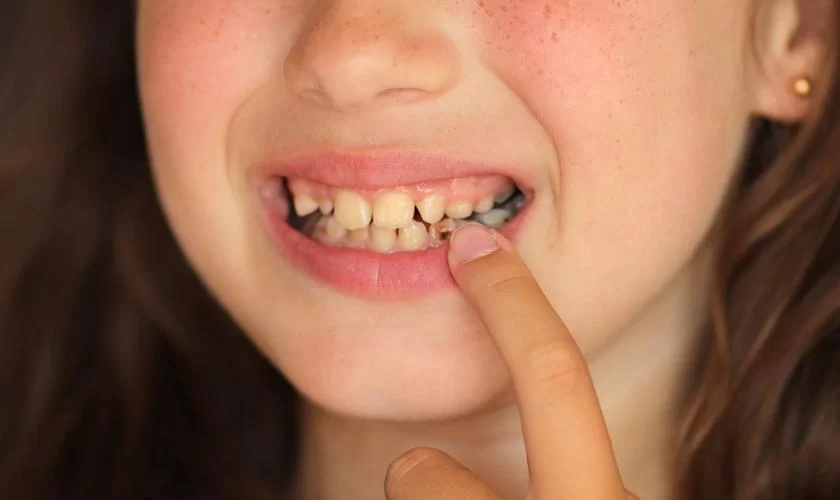
Introduction to Tooth Decay Under Dental Crowns
Tooth decay under dental crowns is a common concern for many individuals who have had restorative work done. A dental crown is a protective cover that fits over a tooth to restore its shape, size, and strength, but even the best crowns can be vulnerable to decay if not properly cared for. Understanding how decay can occur under crowns is essential to maintaining good oral health and preventing further complications.
Why Does Tooth Decay Happen Under Dental Crowns?
Tooth decay under dental crowns can happen for several reasons. The most common cause is poor oral hygiene. If the area around the crown isn’t cleaned properly, food particles and plaque can accumulate, leading to the breakdown of the tooth beneath the crown. Another factor is the fit of the crown. If the crown does not fit well, it can allow bacteria to seep in, contributing to decay over time. Finally, the materials used in the crown may wear down or leak, compromising the protective seal and making the tooth more susceptible to decay.
How to Prevent Tooth Decay Under Dental Crowns
Preventing tooth decay under dental crowns starts with good oral hygiene practices. Here are a few tips:
- Brush regularly: Brush your teeth at least twice a day with fluoride toothpaste, making sure to clean around the crown area.
- Floss daily: Flossing is crucial, especially around the gum line and the edges of the crown where bacteria can accumulate.
- Regular dental visits: Schedule regular check-ups with your dentist to ensure that your crown is still fitting well and there are no signs of decay.
- Avoid sticky or hard foods: Sticky and hard foods can damage the crown or dislodge it, allowing bacteria to get underneath.
By following these preventive measures, you can significantly reduce the risk of decay developing under your dental crown.
Treatment Options for Tooth Decay Under Dental Crowns
If you discover that there is decay under your dental crown, it’s essential to seek treatment immediately. Here are the most common treatment options:
- Crown replacement: In cases where decay is significant, your dentist may need to remove the old crown and replace it with a new one.
- Root canal therapy: If the decay has reached the pulp of the tooth, a root canal may be necessary to remove the infected tissue before placing a new crown.
- Dental fillings: In less severe cases, a simple filling may be used to repair the damage before the crown is re-fitted.
Each treatment will depend on the extent of the decay and your individual needs, so it’s important to consult with your dentist for the best course of action.
Real-Life Cases of Tooth Decay Under Crowns
Take the case of Mark, who had a dental crown placed years ago after a root canal treatment. He didn’t notice any issues until he started experiencing sensitivity and discomfort around the crown. After visiting his dentist, it was revealed that decay had formed under the crown, and he needed a new crown along with a root canal procedure. Mark’s experience highlights the importance of maintaining good oral hygiene, especially around crowns, to prevent hidden decay from developing.
Get Professional Help at Dentistry Toothtruth
If you're concerned about tooth decay under your dental crowns or are in need of restorative treatment, don't hesitate to contact the experts at Dentistry Toothtruth. Our team of professionals can help you assess your current oral health, provide guidance on proper crown care, and offer effective solutions to prevent or treat decay. Visit us today for a consultation!






 Dental Faculty Practice3.0 (37 review)
 Great River Orthodontics4.0 (127 review)
 Kellyn Hodges Orthodontics4.0 (301 review)
 Aspen Dental - Cherry Hill, NJ4.0 (282 review)
 Beverly Hills Braces5.0 (154 review)
 Community Health Care Hilltop Family Dental Clinic3.0 (188 review)
 The Importance of Oral Health Education During Pregnancy for a Healthy Pregnancy
 Best Tips for Brushing Your Teeth Properly for Healthy Gums: Essential Techniques for Oral Health
 Why Skipping Dental Checkups Can Lead to Bigger Oral Health Problems
 Advantages of Porcelain Dental Restorations
 How Can Diabetes Cause Tooth and Gum Problems? Preventing and Managing Oral Health Issues
 Healthy Habits for Promoting Good Oral Health and Hygiene: Tips for a Healthy Smile