
Understanding Pulp Extraction in Dentistry: Process, Benefits, and Aftercare
- What is Pulp Extraction?
- Why is Pulp Extraction Necessary?
- The Pulp Extraction Process
- Recovery and Aftercare
- Real-Life Case: A Successful Pulp Extraction
- Conclusion: Is Pulp Extraction Right for You?
1. What is Pulp Extraction?
Pulp extraction, also known as dental pulp removal, is a key procedure in modern dentistry, primarily performed when the tooth pulp becomes infected or inflamed. The pulp is the soft tissue inside your tooth, which contains nerves, blood vessels, and connective tissue. This procedure is integral in saving a tooth from extraction by addressing the issue of a diseased pulp, which, if left untreated, could lead to severe pain, infection, or even tooth loss.
2. Why is Pulp Extraction Necessary?
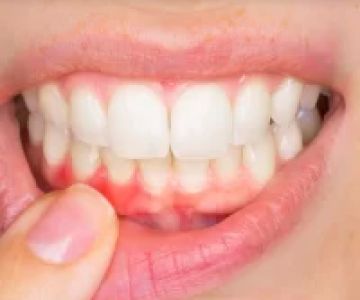
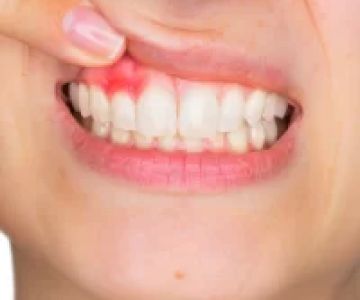
When the pulp of your tooth is damaged or infected due to trauma or decay, it may result in a variety of symptoms such as intense toothache, swelling, or sensitivity. If left untreated, the infection can spread to the surrounding tissues, potentially causing more severe complications. Pulp extraction is necessary to eliminate the infection, relieve pain, and prevent the spread of bacteria. This is typically followed by a root canal to seal the tooth, ensuring it remains functional and pain-free.
3. The Pulp Extraction Process
The pulp extraction process is typically done under local anesthesia to ensure the patient remains comfortable throughout the procedure. Here is a general outline of the process:
- Initial Examination: The dentist will conduct a thorough examination of the affected tooth and take X-rays to determine the extent of the damage to the pulp.
- Anesthesia: Local anesthesia will be administered to numb the area around the affected tooth.
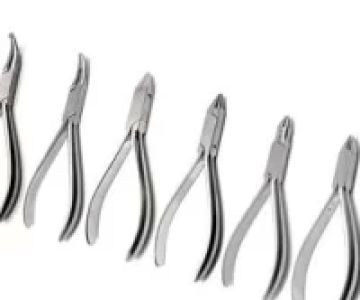
- Pulp Removal: Using specialized tools, the dentist will carefully remove the infected pulp from inside the tooth.
- Cleaning and Sealing: After the pulp is removed, the interior of the tooth will be cleaned to remove any remaining debris or bacteria, and the tooth will be sealed to prevent future infection.
In some cases, the pulp may need to be removed in several stages, especially if there are complications such as an abscess. However, the goal is always to preserve the tooth and prevent further damage.
4. Recovery and Aftercare
After a pulp extraction procedure, recovery time is typically short. However, it is important to follow aftercare instructions to ensure the best outcome:
- Pain Management: Mild to moderate discomfort is common after the procedure, but over-the-counter pain medications can usually manage it.
- Avoid Hard Foods: For a few days, stick to soft foods to avoid putting stress on the treated tooth.
- Oral Hygiene: Maintain good oral hygiene, but be gentle around the treated area to avoid irritation.
- Follow-up Appointments: Your dentist may recommend a follow-up appointment to ensure the tooth is healing properly and that there are no signs of infection.
Proper care can help ensure that your tooth remains healthy and functional, reducing the risk of needing further dental procedures.
5. Real-Life Case: A Successful Pulp Extraction
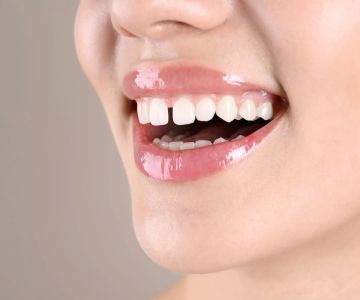
Meet Sarah, a patient who came to Dentistry Toothtruth after experiencing persistent tooth pain. Her dentist diagnosed a severe pulp infection, which was threatening to spread to the surrounding tissues. After performing a pulp extraction followed by a root canal, Sarah was able to avoid tooth extraction and preserve her natural tooth. Today, she continues to have a healthy, pain-free smile.
6. Conclusion: Is Pulp Extraction Right for You?
If you are experiencing persistent tooth pain or sensitivity, pulp extraction may be a necessary step to preserve your tooth. It is a safe and effective procedure that can provide long-term relief and prevent more serious dental issues. If you're unsure whether pulp extraction is the right option for your dental health, we recommend consulting with a qualified dentist who can assess your condition.
For more information about pulp extraction and other dental procedures, or to book a consultation, visit Dentistry Toothtruth. We're here to help you maintain a healthy smile for life.


 Dr. Shilpa Mendelson4.0 (167 review)
 Doctor Lenz DDS Gentle Family Restorative Dentistry5.0 (4 review)
 Casady Square Orthodontics5.0 (851 review)
 Plymouth Bay Dental5.0 (182 review)
 Crossroads Pediatric Dentistry0.0 (0 review)
 Children's Dental FunZone - Pediatric Dentist & Orthodontist - Reseda4.0 (1371 review)
 The Importance of Oral Health Education During Pregnancy for a Healthy Pregnancy
 Best Tips for Brushing Your Teeth Properly for Healthy Gums: Essential Techniques for Oral Health
 Why Skipping Dental Checkups Can Lead to Bigger Oral Health Problems
 Advantages of Porcelain Dental Restorations
 How Can Diabetes Cause Tooth and Gum Problems? Preventing and Managing Oral Health Issues
 Healthy Habits for Promoting Good Oral Health and Hygiene: Tips for a Healthy Smile