
Understanding Orthodontic Braces: A Comprehensive Guide to Teeth Alignment
- What are Orthodontic Braces?
- Types of Orthodontic Braces
- Benefits of Orthodontic Braces
- Common Questions About Orthodontic Braces
- How to Care for Orthodontic Braces
- Real-life Stories and Experiences with Orthodontic Braces
- Buying Guide for Orthodontic Braces
1. What are Orthodontic Braces?
Orthodontic braces are dental appliances used to straighten and align teeth. They are typically made of metal or ceramic and are used to correct bite issues, overcrowded teeth, and misalignment. Braces work by applying constant pressure to move the teeth into the desired position over time.
People of all ages use orthodontic braces to improve their smile, enhance their oral health, and correct functional issues such as improper bites. The process usually takes several months to a few years, depending on the severity of the condition.
2. Types of Orthodontic Braces
There are several types of orthodontic braces available, each offering different benefits. Here are the most common types:
Metal Braces
Traditional metal braces are the most common and are made of high-grade stainless steel. They consist of brackets attached to the teeth and connected by a wire. These braces are highly effective and can treat a wide variety of dental issues.
Ceramic Braces
Ceramic braces are similar to metal braces but use clear or tooth-colored materials, making them less noticeable. They are ideal for individuals looking for a more discreet option.
Invisible Aligners
Invisible aligners, like Invisalign, are a clear, removable option for teeth straightening. These aligners are custom-made to fit your teeth and gradually shift them into the desired position. They are a popular choice for adults and teens due to their discreet appearance and convenience.
Lingual Braces
Lingual braces are similar to traditional metal braces but are placed on the back of the teeth, making them invisible from the front. These are often chosen by people who want a more aesthetic option without compromising on treatment effectiveness.
3. Benefits of Orthodontic Braces
Orthodontic braces offer numerous benefits beyond just cosmetic improvements. Here are some of the key advantages:
- Improved oral health by making it easier to clean teeth and gums
- Enhanced smile and facial appearance
- Better bite function and reduced risk of tooth wear
- Improved self-confidence and mental well-being
While the process may take time, the benefits of orthodontic braces are long-lasting and can significantly improve quality of life.
4. Common Questions About Orthodontic Braces
People often have questions about orthodontic braces, especially before starting treatment. Here are some of the most common inquiries:
How long do I need to wear braces?
The duration of orthodontic treatment depends on the complexity of the case. On average, people wear braces for 18 to 24 months, but some cases may require a shorter or longer time frame.
Do braces hurt?
While braces may cause some discomfort, particularly after adjustments, the pain is usually manageable and temporary. Over-the-counter pain relief can help ease any soreness.
Are braces only for children and teens?
Braces are not just for children and teens; adults can also benefit from orthodontic treatment. Many adults opt for invisible aligners or discreet ceramic braces for a more aesthetic treatment option.
5. How to Care for Orthodontic Braces
Proper care is essential to ensure that your orthodontic treatment is successful. Here are some tips for maintaining your braces:
- Brush your teeth at least three times a day and use an interdental brush to clean between the braces.
- Floss daily, using special floss threaders to work around the wires.
- Avoid hard or sticky foods that can damage the braces or get stuck in them.
- Regularly visit your orthodontist for adjustments and checkups to ensure your progress is on track.
By following these care tips, you can keep your braces in top condition and achieve the best results.
6. Real-life Stories and Experiences with Orthodontic Braces
Many people have shared their success stories after undergoing orthodontic treatment. Take Sarah, a 27-year-old who struggled with misaligned teeth for years. After getting braces, she felt more confident about her smile and experienced fewer dental issues. Her journey, though challenging at times, was worth the effort for the lasting improvements she achieved.
John, a 35-year-old professional, chose invisible aligners to straighten his teeth without the visibility of traditional braces. The convenience and discretion of the aligners made the process easier for him to integrate into his busy lifestyle.
7. Buying Guide for Orthodontic Braces
If you're considering orthodontic braces, it's important to choose the right type for your needs. Visit Dentistry Toothtruth for expert advice and recommendations on the best products to help with your orthodontic treatment. Whether you’re looking for traditional braces, ceramic braces, or invisible aligners, our resources can guide you to the best options for achieving a beautiful, healthy smile.
Investing in the right orthodontic braces can make a world of difference in your appearance and dental health. Take the first step towards a better smile today!






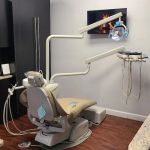 Southern Smiles Newnan5.0 (449 review)
 Clark Orthodontics5.0 (16 review)
 Dr. Michael Sicklick5.0 (5 review)
 Tender Care Family Dentistry4.0 (61 review)
 Small World Dental - Pediatric Dentist and Orthodontist4.0 (1469 review)
 Summit Fair Dental Care4.0 (792 review)
 The Importance of Oral Health Education During Pregnancy for a Healthy Pregnancy
 Best Tips for Brushing Your Teeth Properly for Healthy Gums: Essential Techniques for Oral Health
 Why Skipping Dental Checkups Can Lead to Bigger Oral Health Problems
 Advantages of Porcelain Dental Restorations
 How Can Diabetes Cause Tooth and Gum Problems? Preventing and Managing Oral Health Issues
 Healthy Habits for Promoting Good Oral Health and Hygiene: Tips for a Healthy Smile