
What is Apical Periodontitis?
Apical Periodontitis is a dental condition that refers to an infection or inflammation at the tip of a tooth’s root, often caused by untreated dental decay or trauma. The term "apical" refers to the root tip, and "periodontitis" indicates inflammation of the tissues around the tooth. When the infection spreads from the pulp (the soft tissue inside the tooth) to the root, it can lead to significant pain and potential tooth loss if left untreated.
It's a relatively common issue that can affect anyone, though it’s more frequently seen in individuals who have poor dental hygiene or have suffered from deep cavities. While it might not always cause immediate symptoms, it can lead to severe discomfort and serious oral health complications over time.
Causes of Apical Periodontitis
Apical Periodontitis is primarily caused by bacterial infection that spreads from the tooth's pulp (nerve) to the root tip. This usually happens due to:
1. Untreated Cavities
If a cavity is left untreated for a long period, the bacteria can penetrate deep into the tooth, eventually reaching the pulp. As the infection progresses, it can spread to the tissues surrounding the root, causing Apical Periodontitis.
2. Tooth Trauma
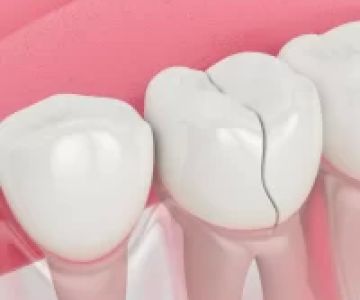
Physical trauma, such as a cracked or chipped tooth, can create an entry point for bacteria to reach the tooth’s pulp, resulting in an infection that can lead to Apical Periodontitis.
3. Poor Oral Hygiene
Failure to maintain good oral hygiene by brushing and flossing regularly can lead to the buildup of plaque and tartar, which promotes bacterial growth and increases the risk of infection in the teeth and gums.
Symptoms of Apical Periodontitis
The symptoms of Apical Periodontitis can vary, ranging from mild to severe. Some individuals may experience no symptoms at all, but for many, the condition presents clear signs. These include:
1. Tooth Pain
The most common symptom is persistent tooth pain, which can be sharp, throbbing, or constant. The pain may worsen when chewing or applying pressure to the affected tooth.
2. Sensitivity to Hot or Cold
People with Apical Periodontitis often experience heightened sensitivity to temperature changes. Foods and drinks that are too hot or too cold can trigger pain or discomfort.
3. Swelling and Tenderness
In some cases, the infection may cause swelling in the gums near the infected tooth. This swelling may be accompanied by redness and tenderness to the touch.
4. Abscess Formation
If the infection becomes severe, an abscess (a pus-filled pocket) may form at the root of the tooth. This can lead to a visible bump or pimple-like swelling on the gums, which may drain pus when pressed.
Treatment Options for Apical Periodontitis
If you suspect that you have Apical Periodontitis, it's essential to seek dental treatment promptly. Depending on the severity of the infection, various treatment options may be considered. Some of the most common treatments include:
1. Root Canal Therapy
The most effective treatment for Apical Periodontitis is root canal therapy. During this procedure, the dentist removes the infected pulp from the inside of the tooth, cleans the root canals, and seals the tooth to prevent further infection. This procedure can save the tooth and relieve the pain associated with the condition.
2. Tooth Extraction
In cases where the tooth is severely damaged or the infection is too extensive, a tooth extraction may be necessary. This is typically a last resort when root canal therapy is no longer viable.
3. Antibiotics
If the infection has spread significantly or if there is a risk of it spreading, the dentist may prescribe antibiotics to help control the infection before performing any other procedures.
A Personal Story: Dealing with Apical Periodontitis
Recently, I had a friend who experienced the painful effects of Apical Periodontitis. After ignoring a mild toothache for months, the pain intensified, and swelling developed around the affected tooth. When she finally visited the dentist, it was confirmed that she had an infection at the tip of the root, and root canal therapy was recommended.
The procedure itself was painless, and although she felt some discomfort afterward, the relief was immediate. The tooth was saved, and the infection was cleared up. This experience really opened my eyes to the importance of seeking dental care early to prevent serious complications.
How to Protect Your Teeth from Apical Periodontitis
Preventing Apical Periodontitis is much easier than treating it. By following these simple steps, you can protect your teeth from infection:
1. Practice Good Oral Hygiene
Brush your teeth at least twice a day and floss daily to remove plaque and prevent bacterial buildup. Regular visits to the dentist for checkups and cleanings are also essential for maintaining good oral health.
2. Avoid Tooth Trauma
Be mindful of physical activities that could lead to tooth trauma. If you play contact sports, always wear a mouthguard to protect your teeth from injury.
3. Address Cavities Promptly
If you notice any signs of a cavity, such as tooth sensitivity or visible holes, make sure to visit the dentist immediately. Early intervention can prevent the cavity from spreading and causing more serious issues like Apical Periodontitis.
For more information on preventing and treating Apical Periodontitis, visit Dentistry Toothtruth, where you'll find expert advice and the latest dental care products to keep your teeth healthy and strong.




 Hillside Dental Care4.0 (192 review)
 Crossroads Family Dentistry4.0 (417 review)
 Richmond Pediatric Dentistry and Orthodontics4.0 (53 review)
 Children’s Dental FunZone - Pediatric Dentist & Orthodontist - Colton4.0 (26 review)
 MGK Dental0.0 (0 review)
 Ocean County Endodontics LLC: Mc Cafferty Ryan J DDS4.0 (8 review)
 The Importance of Oral Health Education During Pregnancy for a Healthy Pregnancy
 Best Tips for Brushing Your Teeth Properly for Healthy Gums: Essential Techniques for Oral Health
 Why Skipping Dental Checkups Can Lead to Bigger Oral Health Problems
 Advantages of Porcelain Dental Restorations
 How Can Diabetes Cause Tooth and Gum Problems? Preventing and Managing Oral Health Issues
 Healthy Habits for Promoting Good Oral Health and Hygiene: Tips for a Healthy Smile