
Types of Dental Infections: Causes, Symptoms, and Treatments
- 1. Introduction to Dental Infections
- 2. Types of Dental Infections
- 3. Causes of Dental Infections
- 4. Symptoms of Dental Infections
- 5. Treatment Options for Dental Infections
- 6. Preventing Dental Infections
- 7. Real-Life Case Study: Understanding Dental Infections
- 8. Conclusion: The Importance of Timely Dental Care
1. Introduction to Dental Infections
Dental infections are a common yet serious issue that can affect anyone, regardless of age. These infections can occur in various parts of the mouth, including the teeth, gums, and surrounding tissues. If left untreated, dental infections can lead to severe complications such as tooth loss, bone damage, and the spread of infection to other parts of the body. Understanding the different types of dental infections, their symptoms, and the best treatment options is essential for maintaining optimal oral health.
In this article, we will explore the types of dental infections, the causes behind them, common symptoms, and how to treat and prevent these infections. Whether you're experiencing a mild toothache or a more severe infection, knowing how to identify and address dental infections is key to keeping your smile healthy.
2. Types of Dental Infections
There are several types of dental infections, each with its own set of causes, symptoms, and potential treatments. The most common types include:
- Dental Abscess: A dental abscess is a collection of pus that forms due to a bacterial infection in the tooth or gums. Abscesses can occur at the root of the tooth or in the space between the teeth and gums.
- Gingivitis: Gingivitis is a mild form of gum disease caused by the accumulation of plaque on the teeth. If left untreated, it can progress to more serious gum disease.
- Periodontitis: Periodontitis is an advanced stage of gum disease where the infection spreads to the bone and other supporting structures of the teeth.
- Tooth Decay: Tooth decay occurs when bacteria in the mouth break down the enamel of the tooth, leading to cavities and possible infections in the underlying tooth structures.
Each type of dental infection requires a different approach for treatment, and timely intervention is crucial to prevent further complications.
3. Causes of Dental Infections
The primary cause of dental infections is the presence of harmful bacteria in the mouth. These bacteria thrive in a warm, moist environment and can cause infections when they come into contact with vulnerable parts of the mouth. Some common causes include:
- Poor Oral Hygiene: Failing to brush and floss regularly can lead to the buildup of plaque and tartar, which provide a breeding ground for bacteria.
- Tooth Decay: When cavities form due to untreated tooth decay, bacteria can enter the deeper layers of the tooth, causing an infection.
- Gum Disease: Gingivitis and periodontitis are caused by plaque buildup along the gumline, leading to inflammation and infection in the gums.
- Dental Procedures: In some cases, infections can occur after dental procedures such as fillings, extractions, or root canals, especially if proper sterilization is not maintained.
By maintaining good oral hygiene practices and visiting your dentist regularly, you can greatly reduce the risk of developing dental infections.
4. Symptoms of Dental Infections
The symptoms of dental infections can vary depending on the type and severity of the infection. Common signs include:
- Severe Tooth Pain: One of the most common symptoms of a dental infection is throbbing or sharp tooth pain, which may worsen when chewing or touching the affected area.
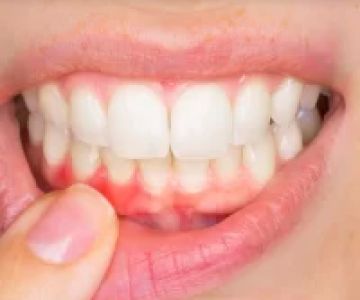
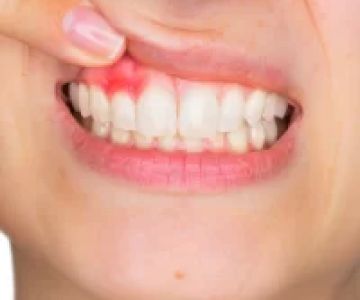
- Swollen Gums: Inflamed or swollen gums can indicate an infection, especially if accompanied by redness and tenderness.
- Bad Breath: Foul-smelling breath or an unpleasant taste in the mouth can be a sign of bacterial infection.
- Abscess Formation: A visible swelling or bump on the gums, filled with pus, may indicate a dental abscess.
- Fever: In more severe cases, a dental infection may cause systemic symptoms such as fever, indicating that the infection has spread beyond the mouth.
If you experience any of these symptoms, it’s important to seek dental care immediately to prevent the infection from worsening.
5. Treatment Options for Dental Infections
Treatment for dental infections depends on the type and severity of the infection. Common treatment options include:
- Antibiotics: For infections caused by bacteria, your dentist may prescribe antibiotics to help eliminate the infection and prevent it from spreading.
- Drainage of Abscess: If you have a dental abscess, your dentist may need to drain the pus and clean the affected area to reduce the infection.
- Root Canal Therapy: For infections that affect the tooth pulp, a root canal may be necessary to remove the infected tissue and prevent further damage to the tooth.
- Tooth Extraction: In severe cases, where the tooth cannot be saved, your dentist may recommend extraction to remove the infected tooth and prevent the infection from spreading to other areas.
Timely treatment is essential to preventing further damage to the teeth, gums, and surrounding tissues. Always follow your dentist's instructions for treatment and follow-up care.
6. Preventing Dental Infections
The best way to avoid dental infections is to take preventive measures to maintain good oral health. Here are some tips:
- Brush and Floss Regularly: Brush your teeth at least twice a day and floss once a day to remove plaque and food particles.
- Visit Your Dentist Regularly: Schedule regular dental check-ups and cleanings to detect any potential issues early and keep your teeth and gums healthy.
- Use Fluoride Toothpaste: Fluoride helps strengthen tooth enamel and prevent cavities that can lead to infections.
- Eat a Balanced Diet: Limit sugary foods and drinks, as they can contribute to tooth decay and increase the risk of infection.
By adopting these habits, you can significantly reduce the risk of dental infections and maintain optimal oral health.
7. Real-Life Case Study: Understanding Dental Infections
Take the example of Sarah, a 35-year-old woman who began experiencing severe tooth pain in one of her molars. After avoiding the dentist for months, the pain became unbearable, and she noticed swelling in her gums. Upon visiting her dentist, she was diagnosed with a dental abscess caused by untreated tooth decay. The infection had spread to the root, requiring a root canal to save the tooth. Had Sarah sought treatment earlier, she could have avoided the severe infection and the need for a root canal.
This case highlights the importance of seeking timely dental care to prevent infections from worsening and leading to more serious consequences.
8. Conclusion: The Importance of Timely Dental Care
Dental infections are a serious health concern that can lead to severe pain, tooth loss, and systemic health issues if left untreated. By understanding the types of dental infections, their causes, symptoms, and treatment options, you can better protect your oral health. The key to preventing dental infections is maintaining good oral hygiene and seeking prompt treatment when issues arise.
For more information on dental infections and how to care for your teeth, visit Dentistry Toothtruth and explore our resources to help you maintain a healthy smile.




 Peninsula Family Dentistry5.0 (193 review)
 Stephanie ML Wong, DMD, Inc.5.0 (1 review)
 RVA Dental Care4.0 (590 review)
 Brace Busters3.0 (2 review)
 Uncasville Dental Associates4.0 (103 review)
 Jay M. Goldberg, DDS5.0 (1 review)
 The Importance of Oral Health Education During Pregnancy for a Healthy Pregnancy
 Best Tips for Brushing Your Teeth Properly for Healthy Gums: Essential Techniques for Oral Health
 Why Skipping Dental Checkups Can Lead to Bigger Oral Health Problems
 Advantages of Porcelain Dental Restorations
 How Can Diabetes Cause Tooth and Gum Problems? Preventing and Managing Oral Health Issues
 Healthy Habits for Promoting Good Oral Health and Hygiene: Tips for a Healthy Smile