
Types of Braces Available: A Complete Guide to Choosing the Right Braces for You
- Understanding Braces and Orthodontics
- Types of Braces Available
- Advantages and Disadvantages of Different Types of Braces
- Choosing the Right Type of Braces for You
- Real-Life Examples of Successful Braces Treatments
1. Understanding Braces and Orthodontics
Braces are a crucial component of orthodontics, a branch of dentistry focused on correcting misaligned teeth and jaws. They are designed to improve the appearance of your smile, correct bite issues, and enhance overall dental health. Whether you're an adult looking for subtle solutions or a teenager seeking to fix crooked teeth, braces are a great solution for achieving a beautiful, healthy smile.
In orthodontics, the term "braces" refers to the various devices used to straighten, align, and reposition teeth. But with so many options available today, how do you choose the right type of braces? Let’s explore the most popular types of braces and their benefits.
2. Types of Braces Available
Today, there are several types of braces to choose from, each catering to different needs and preferences. Here are the most common types:
Traditional Metal Braces
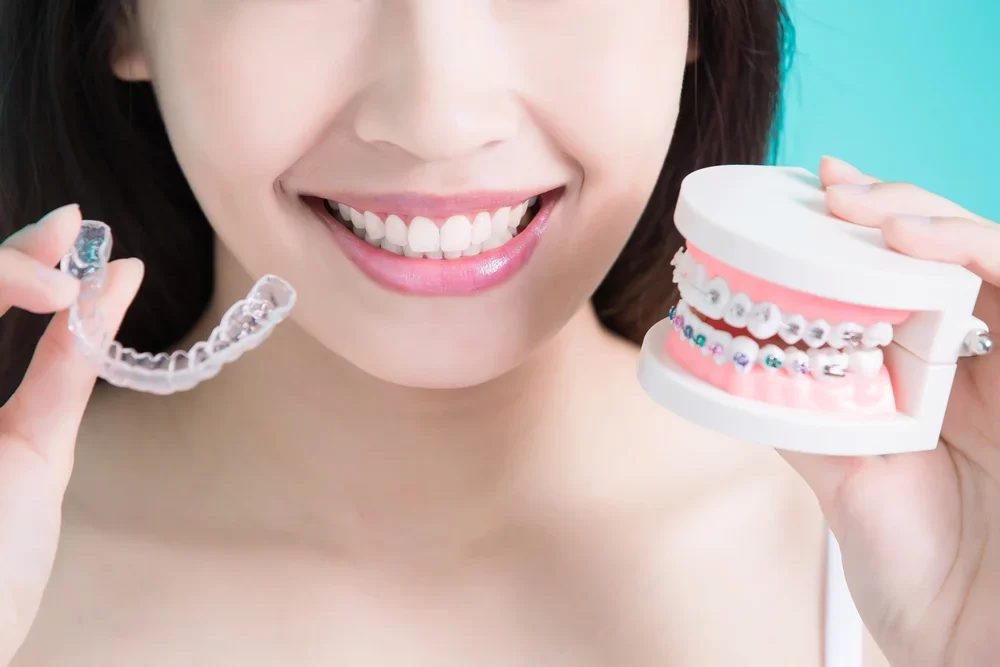
Traditional metal braces are the most well-known and widely used type of braces. These braces consist of metal brackets that are attached to your teeth, with a metal wire connecting them. Over time, the wire is tightened to gradually shift your teeth into place.
Benefits: They are effective for all types of alignment issues and are often the most affordable option.
Considerations: While they are the most noticeable type of braces, advancements in metal braces have made them smaller and more comfortable than ever.
Clear Aligners (Invisalign)
Clear aligners, such as Invisalign, are a popular alternative to traditional braces. These transparent plastic trays are custom-made to fit your teeth and are designed to gradually shift them into alignment. Clear aligners are removable, which makes them a convenient option for people who want to maintain their lifestyle without restrictions.
Benefits: Clear, discreet, and removable, they are ideal for those who prefer a less visible option and want the flexibility to eat and drink without restrictions.
Considerations: They are most effective for mild to moderate dental issues and may require more discipline to ensure they are worn for the recommended 20-22 hours per day.
Ceramic Braces
Ceramic braces function similarly to traditional metal braces but with one key difference: the brackets are made from clear or tooth-colored materials. This makes them much less noticeable, which is why they are often chosen by adults and teenagers who are self-conscious about the appearance of metal braces.
Benefits: Discreet and effective for most alignment issues, they offer a more aesthetic option compared to metal braces.
Considerations: They tend to be more fragile than metal braces and may require more maintenance due to staining concerns, particularly with certain foods and drinks.
Lingual Braces
Lingual braces are a less common but highly effective option. They are similar to traditional metal braces but are placed on the back of your teeth, making them virtually invisible from the outside.
Benefits: Completely invisible to others, offering an ideal option for people who want to straighten their teeth discreetly.
Considerations: Lingual braces can be more challenging to clean, and they may take longer to adjust to, as they sit on the back of the teeth.
Self-Ligating Braces
Self-ligating braces are a more advanced version of traditional braces. They use a specialized bracket that does not require elastic bands to hold the wire in place. This reduces the need for frequent adjustments and can speed up the treatment process.
Benefits: Fewer visits to the orthodontist, less discomfort, and faster treatment times.
Considerations: They are typically more expensive than traditional braces.
3. Advantages and Disadvantages of Different Types of Braces
Each type of braces has its own set of advantages and disadvantages. Here's a breakdown to help you weigh the pros and cons:
- Traditional Metal Braces: Great for severe alignment issues, cost-effective, but visible.
- Clear Aligners: Discreet and removable, perfect for mild cases, but require discipline and may not be suitable for complex dental problems.
- Ceramic Braces: Aesthetic and discreet, but more fragile and prone to staining.
- Lingual Braces: Hidden behind the teeth, ideal for those who want invisibility, but harder to clean and may cause discomfort initially.
- Self-Ligating Braces: Faster treatment and fewer visits, but more expensive than traditional braces.
4. Choosing the Right Type of Braces for You
Choosing the right type of braces depends on your dental needs, budget, lifestyle, and aesthetic preferences. If you have complex alignment issues, traditional metal braces may be the most effective solution. For those who want a less noticeable option, ceramic braces or clear aligners might be better choices.
Consult with an orthodontist to discuss your options and determine the best course of action based on your specific situation.
5. Real-Life Examples of Successful Braces Treatments
Many patients have shared their success stories after undergoing orthodontic treatment with different types of braces. For example, Sarah, a 34-year-old professional, opted for clear aligners due to her busy work schedule. She was able to straighten her teeth discreetly while continuing with her daily routine. Similarly, John, a teenager, chose traditional metal braces to correct a more complex bite issue and achieved great results in just under two years.
These success stories illustrate that regardless of the type of braces you choose, the results can be life-changing, giving you a beautiful smile and improved dental health.
Interested in learning more about the types of braces available? Explore your options with Dentistry Toothtruth for expert advice and treatment options tailored to your needs.






 Nordberg Family Dentistry4.0 (22 review)
 Community Health Center of Snohomish County - Everett-North Clinic4.0 (960 review)
 Elegant Smiles of Sea Girt4.0 (130 review)
 West Covina FAMILY DENTISTRY4.0 (45 review)
 Premier Dental4.0 (33 review)
 Commonwealth Pediatric Dentistry5.0 (33 review)
 The Importance of Oral Health Education During Pregnancy for a Healthy Pregnancy
 Best Tips for Brushing Your Teeth Properly for Healthy Gums: Essential Techniques for Oral Health
 Why Skipping Dental Checkups Can Lead to Bigger Oral Health Problems
 Advantages of Porcelain Dental Restorations
 How Can Diabetes Cause Tooth and Gum Problems? Preventing and Managing Oral Health Issues
 Healthy Habits for Promoting Good Oral Health and Hygiene: Tips for a Healthy Smile