
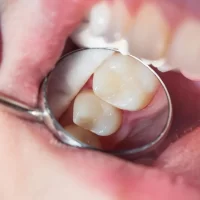
How to Treat a Sore Tooth After a Filling: Effective Remedies and Solutions
- 1. Understanding Tooth Pain After a Filling
- 2. Effective Remedies for Sore Teeth After a Filling
- 3. When to See a Dentist for Tooth Pain
1. Understanding Tooth Pain After a Filling
Experiencing a sore tooth after getting a filling is quite common, and most of the time, it’s temporary. After a dental filling, your tooth and the surrounding tissues may be sensitive for several days, especially if the cavity was deep. The discomfort can occur due to the following reasons:
- Inflammation: Your tooth and gums may become inflamed as a result of the filling process, which can cause soreness.
- Height of the Filling: If the filling is too high, it may cause pressure or irritation when you bite down, leading to discomfort.
- Exposed Nerves: If the filling is close to the nerve, you may experience sensitivity to temperature or pressure.
- Adjustment Period: Your mouth needs time to adjust to the new filling, and some pain is typical during this phase.
It’s important to note that while these symptoms are common, persistent or severe pain should not be ignored, as it may indicate an underlying issue such as infection or an improperly placed filling.
2. Effective Remedies for Sore Teeth After a Filling
While it’s important to let your body heal naturally, there are several home remedies you can try to ease the discomfort after a filling:
- Salt Water Rinse: Mix a teaspoon of salt in warm water and rinse your mouth several times a day. Salt water helps reduce inflammation and can provide temporary relief.
- Cold Compress: Apply a cold compress to your cheek near the affected tooth for 15-20 minutes at a time. This can help numb the area and reduce swelling.
- Over-the-Counter Pain Relievers: Non-prescription pain relievers such as ibuprofen or acetaminophen can help reduce pain and inflammation. Make sure to follow the dosage instructions on the packaging.
- Avoid Hard or Cold Foods: During the healing process, avoid chewing on hard foods or consuming cold drinks, as they can exacerbate sensitivity and discomfort.
- Clove Oil: Clove oil contains eugenol, a natural anesthetic that can help numb the affected area. Dab a small amount of clove oil onto a cotton ball and apply it to the sore tooth.
By following these simple remedies, you can help ease the discomfort and promote healing after a dental filling.
3. When to See a Dentist for Tooth Pain
In most cases, tooth pain after a filling will subside within a few days. However, there are certain instances where you should contact your dentist:
- Persistent Pain: If the pain lasts more than a week or worsens, it could indicate an issue with the filling, such as improper placement or an infection.
- Extreme Sensitivity: If the tooth becomes extremely sensitive to hot or cold temperatures, it may be a sign that the filling is too high or too close to the nerve.
- Severe Discomfort: If you experience severe discomfort when biting or chewing, it may mean that the filling needs adjustment or that there’s a complication.
- Signs of Infection: If you notice swelling, redness, or pus around the filling, it may indicate an infection, and immediate dental care is necessary.
If any of these symptoms occur, it’s best to schedule an appointment with your dentist to prevent further complications and ensure proper healing.
If you're experiencing pain after a dental filling or need more information about tooth treatments, visit Dentistry Toothtruth for expert advice and guidance.






 Doc Bresler's Cavity Busters4.0 (363 review)
 Westridge Dental Group: Kasper Robert DDS4.0 (11 review)
 Sea of Smiles Pediatric Dentistry4.0 (585 review)
 Art & Science Family Dentistry5.0 (202 review)
 Dental Excellence4.0 (1521 review)
 Philadelphia Dental Emergency4.0 (33 review)
 The Importance of Oral Health Education During Pregnancy for a Healthy Pregnancy
 Best Tips for Brushing Your Teeth Properly for Healthy Gums: Essential Techniques for Oral Health
 Why Skipping Dental Checkups Can Lead to Bigger Oral Health Problems
 Advantages of Porcelain Dental Restorations
 How Can Diabetes Cause Tooth and Gum Problems? Preventing and Managing Oral Health Issues
 Healthy Habits for Promoting Good Oral Health and Hygiene: Tips for a Healthy Smile