

- understanding-sensitive-teeth
- challenges-of-sensitive-teeth
- how-to-transform-your-smile-with-sensitive-teeth
- treatments-for-sensitive-teeth
- real-life-stories-transforming-smiles
- maintaining-your-smile-with-sensitive-teeth
1. Understanding Sensitive Teeth and What It Means for Your Smile
Sensitive teeth can be a significant barrier to enjoying food and drinks, not to mention feeling confident about your smile. If you’re dealing with sensitive teeth, you’re not alone—many people face this issue, especially as they age or due to lifestyle habits. Sensitive teeth occur when the protective layers of enamel or gums wear down, exposing the nerves of your teeth to triggers such as hot, cold, sweet, or acidic foods. Understanding the causes and treatments for sensitive teeth can help you regain both comfort and confidence in your smile.
1.1 What Causes Sensitive Teeth?
Sensitivity arises when the enamel—the outer layer of the tooth—wears down, or when gums recede and expose the underlying dentin, which contains microscopic tubules that lead directly to the nerves. This exposure can make teeth react to temperature changes and certain foods. Some common causes include:
1.1.1 Gum Recession
When gums pull back, they expose the roots of teeth, which are more sensitive than the crown.
1.1.2 Enamel Erosion
Acidic foods, beverages, and even aggressive brushing can erode the enamel, leading to sensitivity.
1.1.3 Teeth Grinding
Bruxism, or grinding your teeth, especially at night, can wear down enamel and cause discomfort.
1.2 The Impact of Sensitive Teeth on Your Smile
Beyond the discomfort, sensitive teeth can affect your confidence. People with sensitive teeth may avoid smiling or may hesitate to speak freely due to fear of pain when eating or drinking. Thankfully, there are solutions to alleviate sensitivity and restore your ability to enjoy your smile without hesitation.
2. Challenges of Sensitive Teeth: Why It’s Not Just About the Pain
While the primary issue with sensitive teeth is the pain, there are other challenges that many people face. Understanding these hurdles can help you take the right steps to address them effectively.
2.1 Lifestyle Limitations
People with sensitive teeth often avoid certain foods and drinks—such as cold ice cream or hot coffee—which can make socializing difficult. This dietary restriction can affect both your quality of life and your social interactions.
2.2 Impact on Oral Care Habits
People with sensitive teeth may unintentionally avoid proper brushing and flossing due to pain. This can lead to plaque buildup, further tooth decay, and even worsening sensitivity.
3. How to Transform Your Smile with Sensitive Teeth
Despite these challenges, there are several ways to manage and treat sensitive teeth, so you can regain control over your smile. With modern dental treatments and the right lifestyle adjustments, you can significantly reduce sensitivity and improve the appearance of your teeth.
3.1 Seek Professional Dental Advice
The first step in transforming your smile is consulting with a dentist. They can evaluate the causes of your sensitivity and recommend the best course of treatment, from desensitizing toothpaste to more advanced procedures if necessary.
3.2 Cosmetic Dentistry Solutions
Cosmetic dentistry offers several options for patients with sensitive teeth who want to enhance their smile:
3.2.1 Dental Veneers
Veneers are thin shells that cover the front surface of teeth, improving their appearance while also providing a protective barrier to the nerves.
3.2.2 Bonding and Crowns
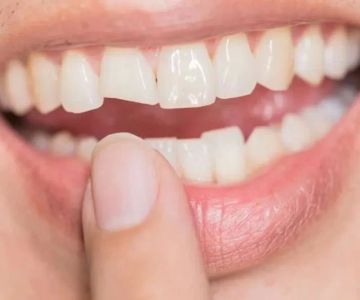
These treatments can restore chipped or cracked teeth while protecting them from further damage and sensitivity.
3.3 Dietary Adjustments
Making simple dietary changes can also help reduce the effects of sensitive teeth. Avoiding acidic foods and drinks and consuming more tooth-friendly options like dairy products, leafy greens, and water can make a significant difference.
3.4 Practice Proper Oral Hygiene
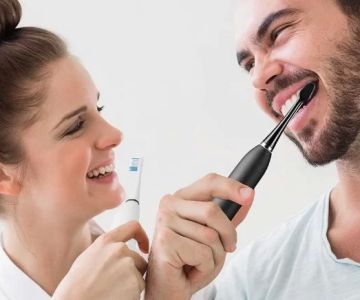
It’s essential to brush gently with a soft-bristled toothbrush and use fluoride toothpaste designed for sensitive teeth. Flossing daily also helps prevent plaque buildup, which can aggravate sensitivity.
4. Treatments for Sensitive Teeth: What You Can Do
There are various treatments available to manage sensitive teeth, ranging from at-home remedies to professional procedures. Let’s explore the options that can help you manage or even eliminate sensitivity.
4.1 Over-the-Counter Desensitizing Toothpaste
One of the most common treatments for sensitive teeth is using desensitizing toothpaste. These special toothpastes contain compounds that block the transmission of pain signals from the surface of the tooth to the nerve.
4.1.1 How It Works
The active ingredients in desensitizing toothpaste can help build a protective barrier over the exposed areas of the tooth, reducing sensitivity over time.
4.2 Professional Fluoride Treatment
If sensitivity persists, a dentist may apply a fluoride varnish to the affected areas to strengthen the enamel and reduce pain.
4.3 Dental Sealants
Sealants can be applied to the teeth to protect vulnerable areas from further wear and tear, reducing sensitivity caused by enamel erosion.
5. Real-Life Stories: How People Have Transformed Their Smiles
Hearing how others have managed their sensitive teeth can be inspiring. Here are a few real-life examples of people who transformed their smiles despite dealing with sensitivity.
5.1 Sarah’s Success Story
Sarah, a 28-year-old teacher, had struggled with sensitive teeth for years, especially after consuming anything hot or cold. After seeing her dentist, Sarah was introduced to a combination of desensitizing toothpaste and dental bonding for her front teeth. Now, she can enjoy her favorite foods without worrying about discomfort and is much more confident in her smile.
5.2 John’s Journey with Veneers
John, a 35-year-old marketing professional, had severe sensitivity due to worn-down enamel. His dentist recommended dental veneers, which not only reduced his sensitivity but also gave him a beautiful, natural-looking smile. John’s smile transformation helped boost his confidence and made him feel more comfortable interacting with clients and colleagues.
6. Maintaining Your Smile with Sensitive Teeth
Once your sensitivity is under control, it’s important to maintain your smile with ongoing care. Here are some tips to ensure your teeth stay healthy and your smile remains beautiful.
6.1 Continue Regular Dental Checkups
Regular visits to the dentist are crucial for monitoring the health of your teeth and addressing any issues before they worsen. Your dentist can provide professional cleanings and fluoride treatments to further reduce sensitivity.
6.2 Stay Consistent with Oral Hygiene
Maintaining a consistent oral hygiene routine at home is key. Use fluoride toothpaste designed for sensitive teeth, and don’t forget to floss to remove plaque buildup.
6.3 Avoid Harmful Habits
Avoid habits like teeth grinding, which can exacerbate sensitivity. If necessary, consult your dentist for a custom night guard to protect your teeth while you sleep.
Transforming your smile with sensitive teeth is possible with the right treatments and lifestyle changes. With the support of a professional dentist, you can regain comfort and confidence in your smile, no matter your age. For more information on managing sensitive teeth and finding the best treatments for your needs, check out Family Dentistry Online for personalized recommendations and expert advice.



 The Pediatric Dental Group Milford4.0 (655 review)
 Oakwood Dental Arts4.0 (470 review)
 Doc Bresler's Cavity Busters4.0 (588 review)
 Madison Oral Surgery & Dental Implants4.0 (661 review)
 Ridgewood Valley Pediatric Dentistry4.0 (97 review)
 Southern Smiles Newnan5.0 (449 review)
 The Importance of Oral Health Education During Pregnancy for a Healthy Pregnancy
 Best Tips for Brushing Your Teeth Properly for Healthy Gums: Essential Techniques for Oral Health
 Why Skipping Dental Checkups Can Lead to Bigger Oral Health Problems
 Advantages of Porcelain Dental Restorations
 How Can Diabetes Cause Tooth and Gum Problems? Preventing and Managing Oral Health Issues
 Healthy Habits for Promoting Good Oral Health and Hygiene: Tips for a Healthy Smile