
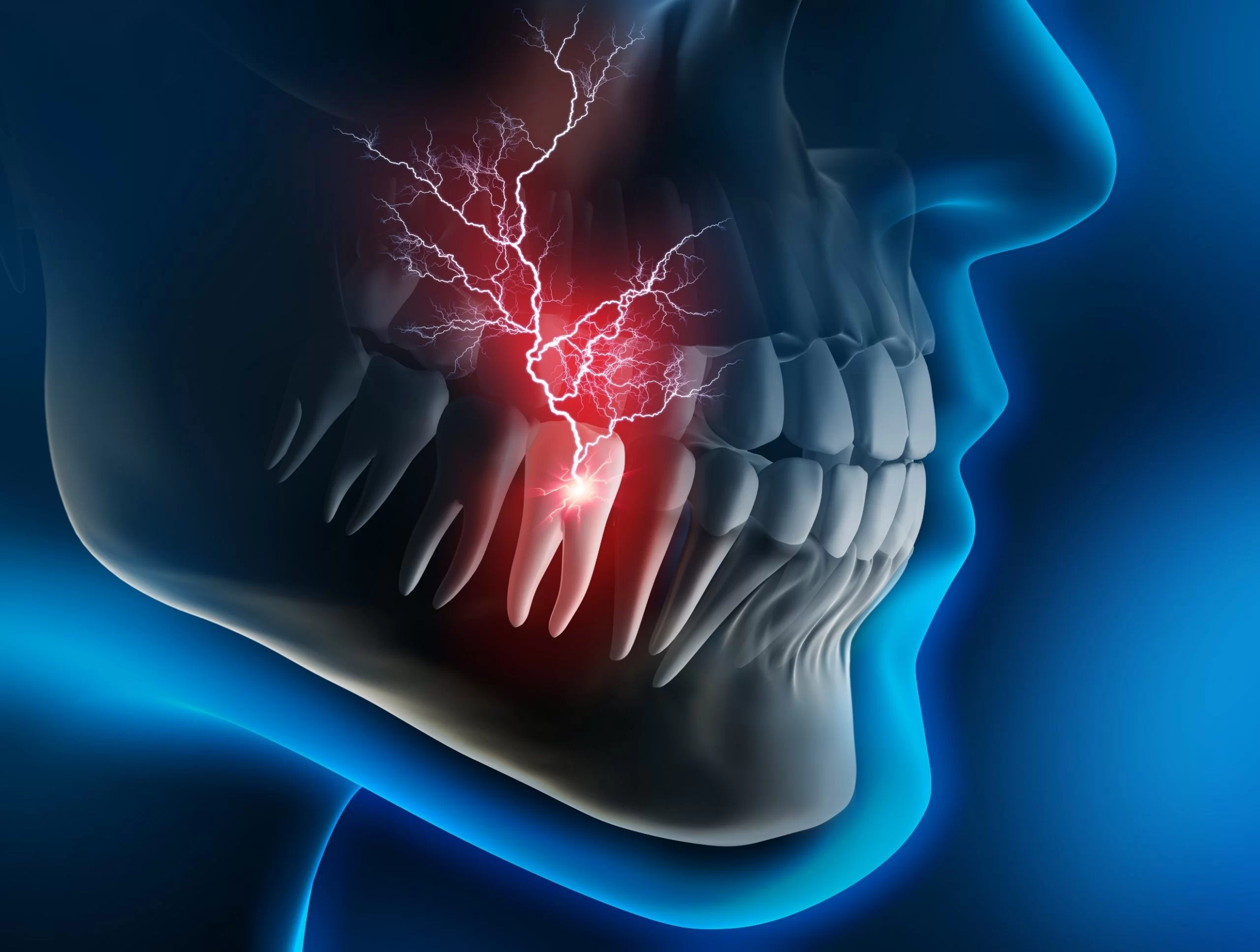
What to Do If Your Toothache is Not Going Away
- 1. Understanding the Causes of Persistent Tooth Pain
- 2. When to Seek Professional Help for Tooth Pain
- 3. Home Remedies and Pain Relief for Toothache
- 4. Potential Dental Problems Behind a Persistent Toothache
- 5. How to Prevent Toothaches in the Future
- 6. Take Action Now to End the Pain
1. Understanding the Causes of Persistent Tooth Pain
Toothaches are a common issue, but when the pain doesn’t go away, it can be a sign of a more serious underlying problem. If your toothache is lingering, understanding its cause is crucial in deciding how to proceed. Some of the most common causes of persistent tooth pain include:
- Tooth Decay: Cavities that go untreated can deepen and affect the nerve of the tooth, causing prolonged pain.
- Gum Disease: Infection in the gums can lead to constant discomfort around the teeth.
- Abscessed Tooth: A dental abscess, which is a pus-filled infection, can cause intense and unrelenting pain.
- Cracked Tooth: A crack in the tooth that exposes nerves can result in ongoing pain, especially when chewing or eating hot/cold foods.
If you experience any of these symptoms, it’s important not to delay in seeking treatment. The longer you wait, the worse the condition may become.
2. When to Seek Professional Help for Tooth Pain
While home remedies can temporarily alleviate the discomfort of a toothache, they are not a substitute for professional dental care. If your tooth pain persists for more than a few days or if the pain intensifies, it’s time to see a dentist. Here are a few red flags that indicate a dental emergency:
- Severe pain: Intense, throbbing pain that keeps you awake at night may indicate an abscess or nerve damage.
- Swelling or fever: These could be signs of infection that require immediate attention.
- Pain when chewing: If the pain worsens with chewing or biting, it may suggest a cracked tooth or deep cavity.
Ignoring these signs can lead to more serious complications, such as the spread of infection or tooth loss. Your dentist can provide the right treatment, which may include a filling, root canal, or other procedures.
3. Home Remedies and Pain Relief for Toothache
If you’re waiting to see a dentist or if the pain is mild, there are several home remedies that can offer temporary relief. Here are a few options that have been shown to be effective in managing tooth pain:
- Saltwater Rinse: A saltwater rinse can help reduce inflammation and clean the affected area. Simply dissolve a teaspoon of salt in warm water and swish it around your mouth.
- Cold Compress: Applying a cold compress to the outside of your cheek can numb the area and reduce swelling.
- Clove Oil: Clove oil contains eugenol, a natural pain reliever. Dab a small amount on a cotton ball and apply it directly to the painful area.
- Over-the-counter pain relievers: Medications like ibuprofen or acetaminophen can help manage the pain until you can get professional care.
While these remedies can be helpful, they are not long-term solutions. It's essential to address the root cause of the toothache to prevent further complications.
4. Potential Dental Problems Behind a Persistent Toothache
Persistent tooth pain can indicate several dental problems that require prompt treatment. Here’s a closer look at some of the possible issues:
- Tooth Decay: A cavity that reaches the pulp of the tooth can cause lasting pain. If left untreated, the tooth can become infected.
- Root Infection: An infection in the tooth root or pulp can lead to severe pain, often requiring a root canal.
- Gum Infections: Infections in the gums, such as periodontitis, can cause constant aching or throbbing near the affected tooth.
- Jaw Problems: Issues like temporomandibular joint disorder (TMJ) can also cause referred pain in the teeth.
Visiting a dentist is essential to determine the exact cause and appropriate treatment for the pain you’re experiencing.
5. How to Prevent Toothaches in the Future
Preventing toothaches involves maintaining good oral hygiene and addressing dental issues early. Here are some tips for avoiding future tooth pain:
- Brush your teeth twice daily with fluoride toothpaste to remove plaque and prevent cavities.
- Floss daily to remove food particles and plaque from between your teeth.
- Visit your dentist for regular check-ups and cleanings, typically every six months.
- Avoid sugary foods and drinks that can contribute to tooth decay.
By following these preventive measures, you can significantly reduce the risk of experiencing tooth pain in the future.
6. Take Action Now to End the Pain
If your toothache is not going away and is affecting your quality of life, it's time to take action. Don’t wait for the pain to worsen—schedule a dental appointment as soon as possible. Early intervention can prevent further damage and save your tooth.
For expert dental care and pain relief solutions, visit Dentistry Toothtruth for more information and professional recommendations on how to manage and treat toothaches.





 ATI Dental Care4.0 (244 review)
 Children's Dentistry of Maine3.0 (23 review)
 Mission Hills Dentistry4.0 (1161 review)
 All Star Dental Clinic4.0 (322 review)
 SDNY Dental4.0 (28 review)
 Southcoast Endodontics5.0 (4 review)
 The Importance of Oral Health Education During Pregnancy for a Healthy Pregnancy
 Best Tips for Brushing Your Teeth Properly for Healthy Gums: Essential Techniques for Oral Health
 Why Skipping Dental Checkups Can Lead to Bigger Oral Health Problems
 Advantages of Porcelain Dental Restorations
 How Can Diabetes Cause Tooth and Gum Problems? Preventing and Managing Oral Health Issues
 Healthy Habits for Promoting Good Oral Health and Hygiene: Tips for a Healthy Smile