
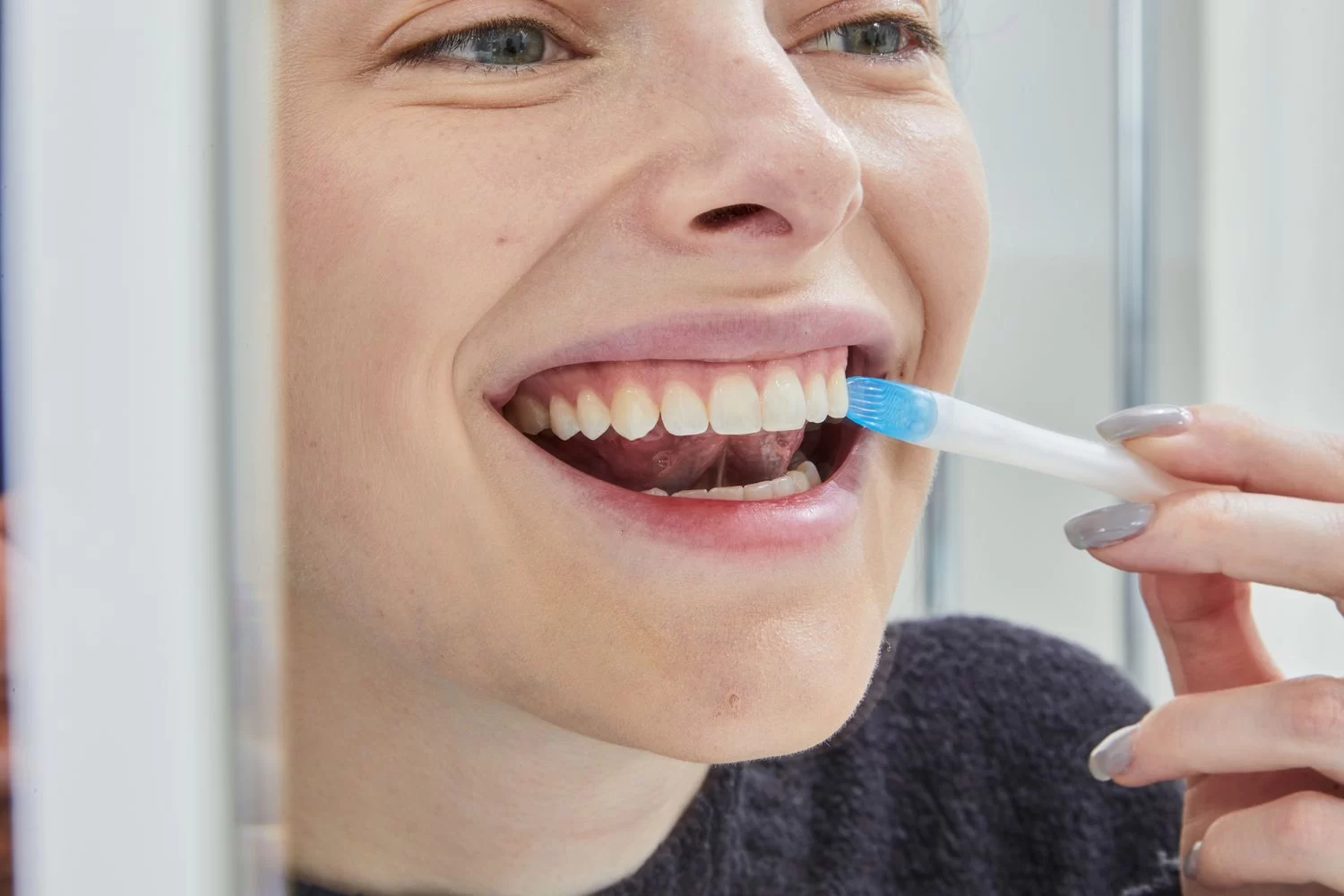
Effective Tooth Sensitivity Treatments at Home: Easy Solutions for Pain Relief
- 1. Understanding Tooth Sensitivity
- 2. Home Remedies for Tooth Sensitivity
- 3. How Desensitizing Toothpaste Can Help
- 4. Foods and Habits to Avoid
- 5. When to See a Dentist for Tooth Sensitivity
1. Understanding Tooth Sensitivity
Tooth sensitivity, also known as dentin hypersensitivity, is a common condition where individuals experience sharp pain or discomfort when eating or drinking something hot, cold, sweet, or acidic. This happens when the enamel on the teeth wears down or when gums recede, exposing the sensitive inner layer of the tooth called dentin.
Some common causes of tooth sensitivity include gum disease, tooth decay, tooth grinding, and even using hard-bristled toothbrushes. For many people, this condition can be bothersome, especially when consuming certain foods and beverages.
Luckily, there are several ways to alleviate tooth sensitivity, many of which can be done at home with minimal effort or cost.
2. Home Remedies for Tooth Sensitivity
If you’re looking for tooth sensitivity treatments at home, there are a variety of natural remedies and strategies that may help reduce discomfort. Here are some popular home remedies:
- Saltwater Rinse: A simple saltwater rinse can help reduce inflammation and soothe sensitive teeth. Mix half a teaspoon of salt in warm water and swish it around your mouth for 30 seconds.
- Oil Pulling with Coconut Oil: Oil pulling is an ancient Ayurvedic practice that involves swishing oil (usually coconut oil) around in your mouth to reduce bacteria and plaque buildup. This may help decrease tooth sensitivity over time.
- Green Tea: Green tea is packed with antioxidants that can help reduce inflammation in your gums and teeth. It’s also known to fight bacteria that could be contributing to your sensitivity.
- Clove Oil: Clove oil has natural numbing properties and can provide temporary relief from tooth sensitivity pain. Dab a small amount of clove oil on a cotton ball and apply it to the affected area.
3. How Desensitizing Toothpaste Can Help
One of the most effective tooth sensitivity treatments at home is the use of desensitizing toothpaste. These specialized toothpastes contain compounds that block the transmission of pain signals from the surface of your teeth to the nerves inside. Over time, they can help reduce the discomfort associated with sensitive teeth.
It’s recommended to use desensitizing toothpaste consistently for at least two weeks to start seeing results. When applying the toothpaste, try to brush gently and avoid vigorous scrubbing, as this could further irritate your teeth and gums.
Some well-known desensitizing toothpaste brands include Sensodyne and Colgate Sensitive, which have been clinically proven to help reduce sensitivity and provide long-term relief.
4. Foods and Habits to Avoid
In addition to using tooth sensitivity treatments at home, it’s important to avoid foods and habits that could exacerbate the condition. Certain foods can trigger sensitivity, while other habits might cause further enamel erosion. Here are a few tips:
- Avoid Acidic Foods: Citrus fruits, tomatoes, and soda can erode enamel over time, making your teeth more sensitive. Opt for less acidic fruits like bananas or melons instead.
- Limit Hot and Cold Beverages: Beverages like coffee, tea, and iced drinks can cause discomfort if you have sensitive teeth. If you do consume them, try sipping through a straw to minimize contact with your teeth.
- Be Mindful of Brushing Habits: Using a hard-bristled toothbrush or brushing too aggressively can contribute to enamel wear. Switch to a soft-bristled brush and use gentle circular motions when brushing.
- Quit Smoking: Smoking can cause gum recession and increase plaque buildup, which may contribute to sensitivity. Quitting can improve your overall oral health.
5. When to See a Dentist for Tooth Sensitivity
While there are many tooth sensitivity treatments you can try at home, sometimes professional intervention is necessary. If you experience persistent or severe sensitivity that doesn’t improve with home remedies, it may indicate an underlying dental issue that requires treatment from a dentist.
Some conditions that may require professional attention include:
- Gum Disease: If your sensitivity is accompanied by bleeding gums, swollen gums, or a bad taste in your mouth, it may be a sign of gum disease.
- Cavities or Tooth Decay: Ongoing sensitivity, especially if it's sharp or occurs suddenly, may indicate a cavity or tooth decay.
- Cracked Teeth or Fillings: Sensitivity in specific teeth might be due to a crack or broken filling that needs to be repaired by a dentist.
At Dentistry Toothtruth, we provide expert advice and solutions for tooth sensitivity. If you’re struggling with sensitive teeth, visit Dentistry Toothtruth to learn more about treatments and products that can help restore comfort to your smile.






 California Dental4.0 (210 review)
 Dr. Matrullo & Associates4.0 (93 review)
 Graylyn Dental4.0 (681 review)
 Sage Dental of Windermere4.0 (423 review)
 SoCal PerioImplants the office of Drs. Caplanis and Madi5.0 (227 review)
 Raleigh Periodontics and Implant Dentistry5.0 (179 review)
 The Importance of Oral Health Education During Pregnancy for a Healthy Pregnancy
 Best Tips for Brushing Your Teeth Properly for Healthy Gums: Essential Techniques for Oral Health
 Why Skipping Dental Checkups Can Lead to Bigger Oral Health Problems
 Advantages of Porcelain Dental Restorations
 How Can Diabetes Cause Tooth and Gum Problems? Preventing and Managing Oral Health Issues
 Healthy Habits for Promoting Good Oral Health and Hygiene: Tips for a Healthy Smile