
- Understanding Tooth Pain
- Latest Advances in Tooth Pain Relief
- Common Tooth Pain Relief Technologies
- How to Choose the Right Tooth Pain Relief
- Tips for Long-Term Tooth Pain Management
Understanding Tooth Pain
Tooth pain is a common but often misunderstood condition. It can be caused by a range of issues, from cavities and tooth infections to more complex problems like TMJ disorders. Understanding the underlying cause of your tooth pain is essential for choosing the right relief methods and ensuring effective treatment. Whether you're dealing with sharp, throbbing pain or a dull ache, knowing the nature of your discomfort will help guide you toward the best solution.
Latest Advances in Tooth Pain Relief
The field of dentistry has seen many advancements in recent years, especially when it comes to managing and alleviating tooth pain. Some of the latest innovations include:
- Laser Dentistry: Laser technology allows for more precise treatments, reducing discomfort and speeding up recovery time. Lasers can be used to remove cavities, treat gum disease, and perform root canal procedures with minimal pain.
- Minimally Invasive Techniques: Newer techniques focus on preserving as much healthy tooth structure as possible. These methods can help reduce pain during procedures and speed up recovery.
- Regenerative Therapies: Stem cell-based treatments and growth factor therapies are emerging as potential solutions for tooth regeneration and reducing inflammation in the gums, offering long-term relief from pain caused by tooth loss and infection.
- Prescription Pain Relief: Dental professionals now have access to more advanced medications, including newer types of anti-inflammatory drugs and pain relievers, which can help manage severe tooth pain more effectively.
Common Tooth Pain Relief Technologies
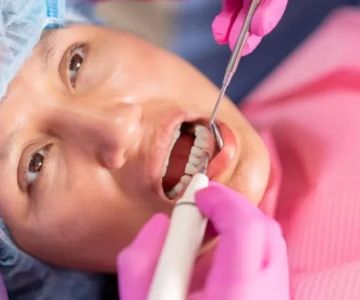
There are several technologies and methods available for treating tooth pain, ranging from traditional approaches to high-tech solutions. Some of the most commonly used include:
- Over-the-Counter Medications: Medications such as ibuprofen and acetaminophen are still the most common way to manage tooth pain. They are effective for mild to moderate pain and are widely available.
- Cold Compress: Applying a cold compress to the affected area can help reduce inflammation and numb the pain. This is a simple, home-based remedy for immediate relief.
- Root Canal Treatments: When a tooth's pulp becomes infected, a root canal can save the tooth and eliminate the pain. This procedure involves removing the infected tissue and sealing the tooth.
- Electric Toothbrushes: Using an electric toothbrush with soft bristles can prevent further irritation in sensitive areas and aid in the healing process after dental procedures.
How to Choose the Right Tooth Pain Relief
Choosing the right method of tooth pain relief depends on the severity and cause of your discomfort. Here are some considerations:
- Assess the Severity of Pain: Mild pain might be managed with over-the-counter medications and home remedies, while more severe pain, such as from an infection or tooth abscess, may require professional treatment.
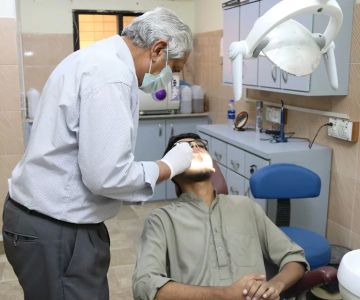
- Consult with a Dentist: If you experience persistent or severe tooth pain, it's crucial to visit a dentist. A professional evaluation can determine whether the pain is caused by something treatable at home or if it requires a more intensive procedure.
- Consider Your Medical History: Certain treatments, such as prescription pain relievers or laser therapy, may not be suitable for everyone. Always discuss your options with a dentist to ensure the chosen treatment aligns with your overall health.
Tips for Long-Term Tooth Pain Management
While immediate relief from tooth pain is important, managing the condition long-term is essential to preventing recurring pain. Consider these strategies:
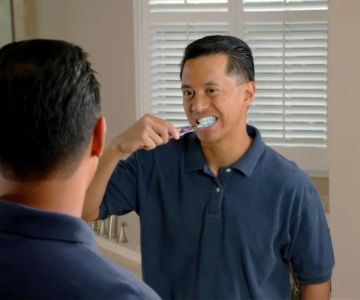
- Maintain Good Oral Hygiene: Brushing twice a day, flossing, and using mouthwash can prevent the buildup of plaque and bacteria, reducing the risk of cavities and gum disease that can cause pain.
- Regular Dental Checkups: Regular visits to the dentist ensure early detection of problems that could lead to tooth pain, such as cavities or gum disease, allowing for timely intervention.
- Avoid Hard or Sticky Foods: Foods that can damage or dislodge fillings and crowns should be avoided, especially if you’ve recently had dental procedures.
- Wear a Mouthguard: If you grind your teeth at night, wearing a custom mouthguard can protect your teeth from wear and prevent pain caused by bruxism.



 Yonkers Family Dentist : Sachar Bhupinder DDS4.0 (47 review)
 George Orthodontics4.0 (55 review)
 Painted Skies Dental Center4.0 (351 review)
 Bright Smiles 4 Kids Pediatric Dentistry & Orthodontics4.0 (21 review)
 Healthy Smiles of Delaware4.0 (32 review)
 Davies Dental5.0 (1 review)
 The Importance of Oral Health Education During Pregnancy for a Healthy Pregnancy
 Best Tips for Brushing Your Teeth Properly for Healthy Gums: Essential Techniques for Oral Health
 Why Skipping Dental Checkups Can Lead to Bigger Oral Health Problems
 Advantages of Porcelain Dental Restorations
 How Can Diabetes Cause Tooth and Gum Problems? Preventing and Managing Oral Health Issues
 Healthy Habits for Promoting Good Oral Health and Hygiene: Tips for a Healthy Smile