
Tooth Decay in Molars: How to Prevent and Treat Molar Cavities
- Understanding Molar Tooth Decay
- Why Molars Are Prone to Decay
- How to Prevent Molar Tooth Decay
- Signs of Molar Decay
- Real-Life Experiences with Molar Decay
- Recommended Products for Molar Care
1. Understanding Molar Tooth Decay
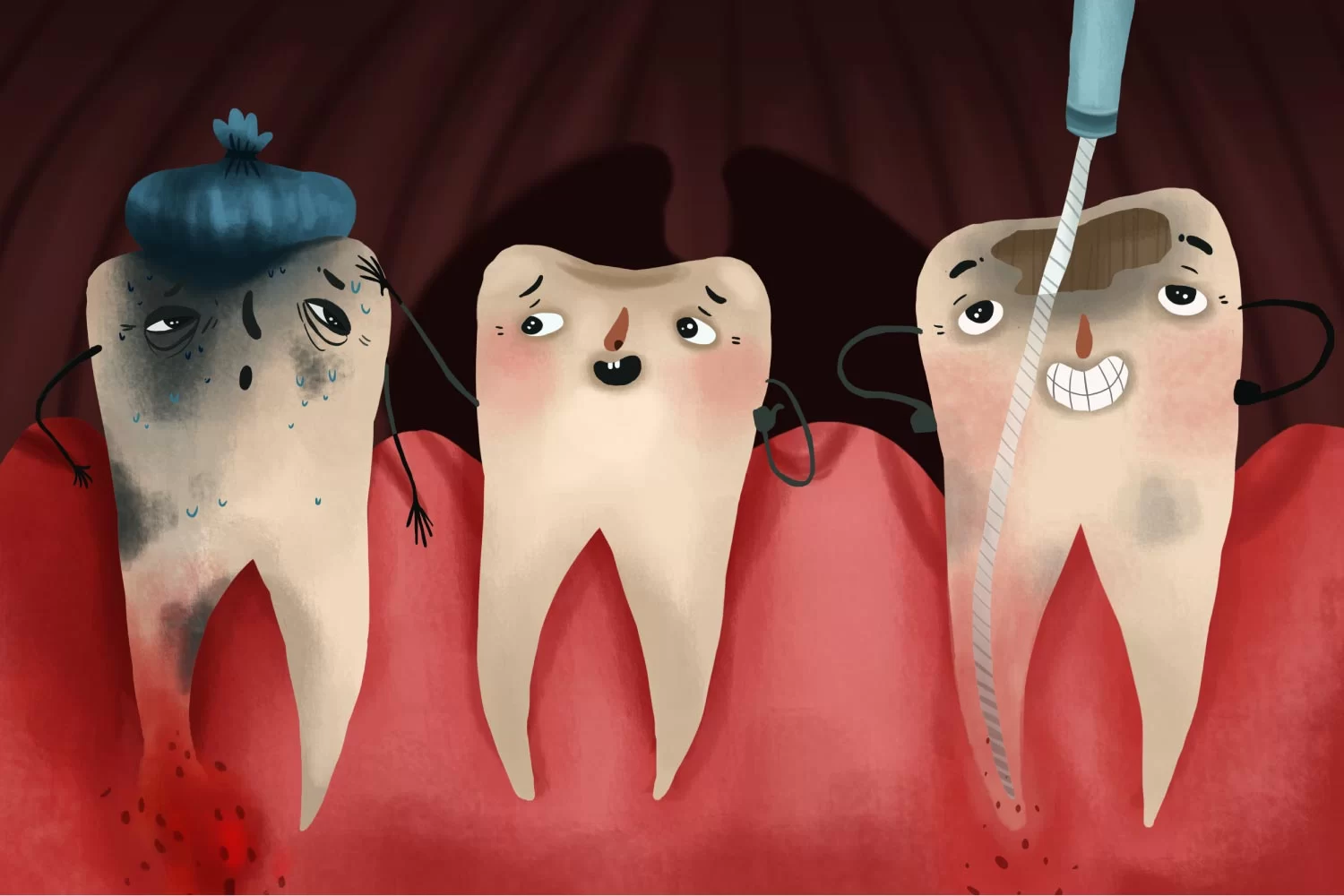
Tooth decay in molars is one of the most common dental issues people face. Molars are large, flat teeth at the back of your mouth, responsible for grinding food. These teeth are especially vulnerable to cavities due to their location and structure. The pits and grooves in the molars make it difficult to clean effectively, leading to plaque buildup, which can cause tooth decay over time.
Understanding molar tooth decay is key to preventing it. It begins when bacteria in the mouth feed on leftover food particles, producing acid that gradually wears down the tooth enamel. Without proper dental hygiene, this process can lead to cavities and more severe dental problems.
2. Why Molars Are Prone to Decay
Molars are more prone to tooth decay compared to other teeth for several reasons:
- Hard-to-Reach Areas: The grooves and pits on molars trap food particles and plaque, making them difficult to clean with a toothbrush alone.
- More Surface Area: Molars have a larger surface area, which, while great for grinding food, also increases the chances for plaque accumulation.
- Delayed Attention: Since molars are located at the back of the mouth, they are often neglected during brushing and flossing, leading to the development of cavities.
These factors contribute to the higher risk of decay in molars, making it important to pay extra attention to oral care in this area.
3. How to Prevent Molar Tooth Decay
Prevention is the most effective strategy for avoiding molar tooth decay. Here are several essential tips to help keep your molars healthy:
- Brush Regularly and Properly: Brush your teeth twice a day, paying special attention to your molars. Use a toothbrush with a head small enough to reach the back teeth and make sure to use gentle, circular motions to clean thoroughly.
- Floss Daily: Flossing between your molars is crucial for removing plaque and food particles that brushing alone cannot reach. Consider using dental floss picks or water flossers for easier access to your back teeth.
- Use Fluoride Toothpaste: Fluoride helps strengthen enamel and protects your teeth from decay. Make sure your toothpaste contains fluoride for optimal protection.
- Visit Your Dentist Regularly: Regular checkups allow your dentist to detect early signs of molar decay and provide preventive treatments like dental sealants.
By adopting these habits, you can significantly reduce the risk of molar tooth decay and maintain healthy teeth for years to come.
4. Signs of Molar Decay
To catch molar tooth decay early, it's important to be aware of its signs. Here are some common symptoms of molar cavities:
- Sensitivity: Increased sensitivity to hot, cold, or sweet foods can indicate the early stages of tooth decay.
- Tooth Pain: Pain in or around your molars, especially when chewing, is a common sign of a cavity or advanced decay.
- Visible Holes or Dark Spots: A visible hole or darkened area on your molar could be a sign of decay, especially if it is accompanied by pain.
- Bad Breath: Foul-smelling breath can be caused by bacteria in decayed teeth, especially in hard-to-reach molars.
If you notice any of these signs, it's essential to visit your dentist as soon as possible for an evaluation and treatment.
5. Real-Life Experiences with Molar Decay
Many individuals have experienced molar tooth decay and learned valuable lessons about prevention. For example, John, a 35-year-old father, shares his story:
"I never paid much attention to my molars, thinking brushing my front teeth was enough. When I visited my dentist last year, I found out I had multiple cavities in my molars. Since then, I've made sure to floss daily and use fluoride toothpaste. My dentist even recommended dental sealants to protect my molars going forward."
John's experience highlights the importance of maintaining a comprehensive dental care routine and staying proactive about molar health.
6. Recommended Products for Molar Care
If you're looking to improve the health of your molars, here are some top recommended products:
- Fluoride Toothpaste from Dentistry Toothtruth – A high-quality fluoride toothpaste that strengthens enamel and protects against cavities.
- Dental Sealants for Molar Protection – Professional dental sealants help shield your molars from cavities and decay, especially in those hard-to-reach grooves.
Explore these products and enhance your molar care routine to ensure long-lasting dental health.
Taking the right steps to prevent tooth decay in molars is essential for maintaining overall dental health. Learn more about molar care and find expert products at Dentistry Toothtruth.






 Highland Dental Arts4.0 (104 review)
 Dental Solutions of Bala Cynwyd4.0 (448 review)
 Absolute Dental Kids - Lake Mead4.0 (491 review)
 Tiny Tooth Co. and Trindade Orthodontics4.0 (107 review)
 Up Pediatric Dentistry5.0 (100 review)
 Kansas City Dentures and Implants5.0 (15 review)
 The Importance of Oral Health Education During Pregnancy for a Healthy Pregnancy
 Best Tips for Brushing Your Teeth Properly for Healthy Gums: Essential Techniques for Oral Health
 Why Skipping Dental Checkups Can Lead to Bigger Oral Health Problems
 Advantages of Porcelain Dental Restorations
 How Can Diabetes Cause Tooth and Gum Problems? Preventing and Managing Oral Health Issues
 Healthy Habits for Promoting Good Oral Health and Hygiene: Tips for a Healthy Smile