
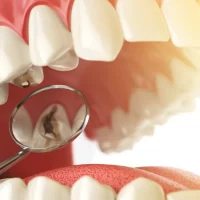
Tooth Decay and the Use of Dental Sealants: Protecting Your Teeth for Life
- 1. Understanding Tooth Decay and Its Causes
- 2. What Are Dental Sealants and How Do They Work?
- 3. The Benefits of Dental Sealants in Preventing Tooth Decay
- 4. Real-Life Cases of Successful Cavity Prevention with Sealants
- 5. How Regular Dental Care Complements the Use of Sealants
1. Understanding Tooth Decay and Its Causes
Tooth decay is one of the most common dental problems people face worldwide. It occurs when the enamel of your teeth is damaged by acids produced by bacteria that feed on sugars in the food we eat. Over time, this process leads to cavities, which can cause pain, infection, and potentially tooth loss if left untreated.
Tooth decay can be influenced by several factors, including poor oral hygiene, frequent consumption of sugary foods and drinks, and lack of regular dental visits. Early detection and prevention are key to avoiding the negative effects of tooth decay, which is why dental sealants are becoming a widely recommended solution.
2. What Are Dental Sealants and How Do They Work?
Dental sealants are thin coatings applied to the chewing surfaces of back teeth (molars and premolars) to prevent cavities. These teeth have deep grooves where food and bacteria can get trapped, making them more vulnerable to decay. The sealants act as a barrier, protecting these surfaces from plaque and acids.
Made of plastic or other dental materials, sealants are clear or white in color and are typically applied during a simple, quick procedure. The dentist first cleans and dries the teeth, then applies the sealant, which is hardened using a special light. Once set, the sealant helps prevent decay for many years.
3. The Benefits of Dental Sealants in Preventing Tooth Decay
There are several benefits to using dental sealants, especially for children and adults at higher risk for tooth decay. Here are some key advantages:
1. Long-Term Protection
Dental sealants can provide long-term protection, lasting several years with proper care. This helps reduce the need for costly fillings and more extensive dental treatments down the line.
2. Safe and Non-Invasive
Applying dental sealants is a non-invasive procedure that doesn’t require drilling or the use of needles. It’s a simple and painless way to protect your teeth from decay.
3. Cost-Effective
Preventing cavities with dental sealants can save you money in the long term. The cost of applying sealants is much lower than the cost of filling cavities or dealing with more severe dental procedures later on.
4. Real-Life Cases of Successful Cavity Prevention with Sealants
One real-life example is the case of a young child who had deep grooves in their molars, making them highly susceptible to cavities. After having dental sealants applied, the child’s teeth were protected for years, and they remained cavity-free throughout their childhood. This prevention strategy allowed them to avoid painful dental procedures and set them up for a lifetime of better oral health.
Another case involved an adult who had a history of cavities due to frequent sugary snacks and drinks. After applying dental sealants to their molars, the individual experienced a significant reduction in cavities, proving how effective sealants can be in protecting teeth from further damage.
5. How Regular Dental Care Complements the Use of Sealants
While dental sealants are an excellent preventive measure, they should be used in conjunction with good oral hygiene practices. Brushing twice a day with fluoride toothpaste, flossing regularly, and visiting your dentist for routine check-ups and cleanings will ensure that your teeth stay healthy and cavity-free.
Sealants should also be monitored regularly by your dentist, who will check for wear and tear. If the sealant becomes chipped or worn, it can be reapplied to continue providing effective protection. Maintaining a comprehensive oral care routine alongside sealants will help you preserve your teeth and avoid future dental problems.
For more information on dental sealants and other preventive care, visit Dentistry Toothtruth, where we provide expert dental advice and top-quality products to keep your smile healthy and bright.






 Noelck & Associates Dentistry5.0 (140 review)
 Doc Bresler's Cavity Busters4.0 (588 review)
 All Smiles Dental Group4.0 (64 review)
 Ideal Smile Dental - Bensalem4.0 (602 review)
 I. Stephen Brown, DDS, FACD, FICD4.0 (37 review)
 Red Oak Dentistry: Dr. Michael King4.0 (74 review)
 The Importance of Oral Health Education During Pregnancy for a Healthy Pregnancy
 Best Tips for Brushing Your Teeth Properly for Healthy Gums: Essential Techniques for Oral Health
 Why Skipping Dental Checkups Can Lead to Bigger Oral Health Problems
 Advantages of Porcelain Dental Restorations
 How Can Diabetes Cause Tooth and Gum Problems? Preventing and Managing Oral Health Issues
 Healthy Habits for Promoting Good Oral Health and Hygiene: Tips for a Healthy Smile