
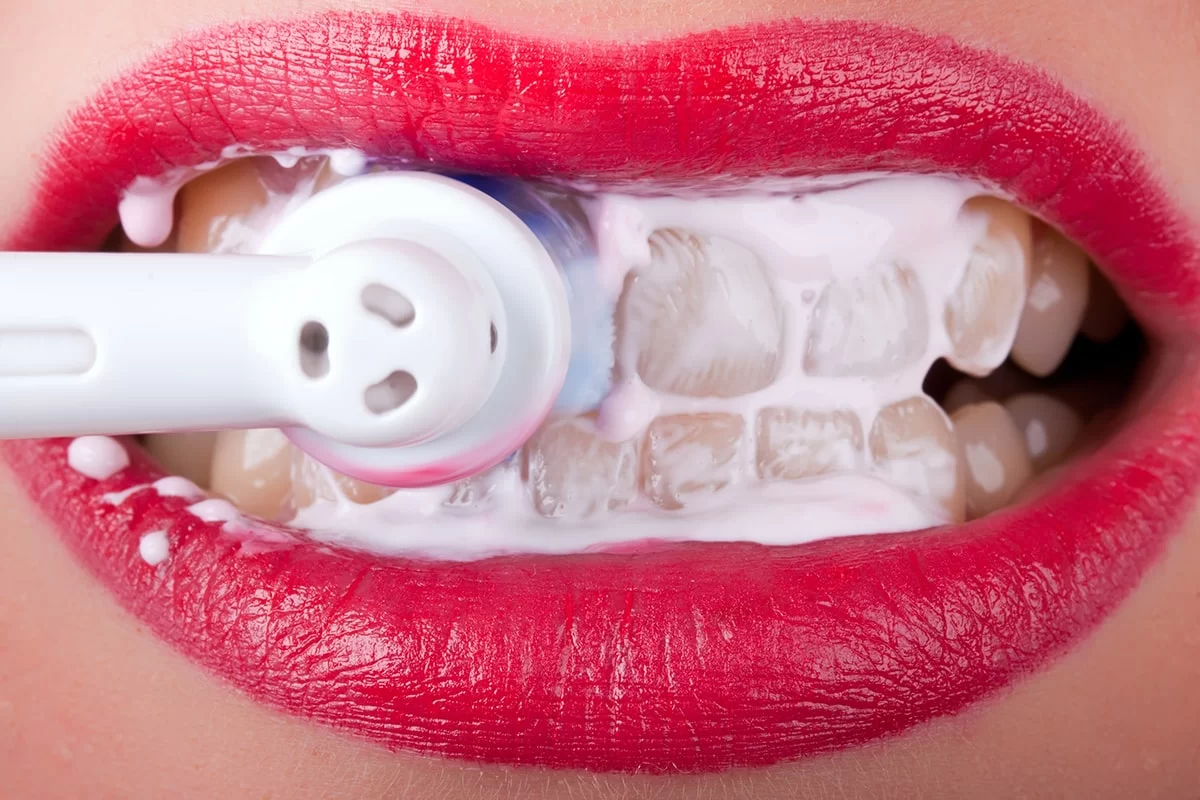
Tooth Cleaning Techniques: Effective Methods for Maintaining Oral Hygiene
- 1. Understanding Tooth Cleaning Techniques
- 2. The Importance of Proper Tooth Cleaning
- 3. Common Tooth Cleaning Methods
- 4. How to Improve Your Tooth Cleaning Routine
- 5. Essential Tools and Products for Effective Tooth Cleaning
- 6. Real-Life Examples of Successful Tooth Cleaning
1. Understanding Tooth Cleaning Techniques
Tooth cleaning is an essential part of maintaining good oral hygiene, but not all cleaning methods are created equal. While brushing is the most common form of tooth cleaning, various techniques can help keep your teeth healthy, clean, and free from plaque buildup. The best technique is the one that suits your individual needs while addressing potential issues like plaque, tartar, and gum disease.
There are a variety of tooth cleaning techniques that can be employed, including manual brushing, electric toothbrushes, flossing, and mouthwashes. Each method serves a unique purpose, and knowing how to use them properly can make a significant difference in your oral health.
2. The Importance of Proper Tooth Cleaning
Maintaining clean teeth is more than just about having a bright smile; it’s essential for your overall health. Poor oral hygiene can lead to a host of issues, from cavities to gum disease, bad breath, and even systemic conditions like heart disease.
Proper tooth cleaning helps remove food particles and plaque that can accumulate on your teeth and gums. It also helps prevent the formation of tartar, which can only be removed by a dentist. Regular and thorough cleaning is crucial to ensuring that your teeth remain healthy and your gums stay free from infection.
3. Common Tooth Cleaning Methods
1. Brushing with a Toothbrush
Brushing your teeth at least twice a day is the foundation of any good oral hygiene routine. Both manual and electric toothbrushes can be used effectively, but an electric toothbrush often provides a more thorough clean, especially when paired with the right brushing technique.
2. Flossing
Flossing is an essential part of any tooth cleaning routine, as it helps remove food particles and plaque from between the teeth, areas that a toothbrush cannot reach. Regular flossing helps to prevent cavities and gum disease, particularly in those tight spaces between teeth.
3. Mouthwash
Mouthwash can be a valuable addition to your cleaning routine, especially when it contains fluoride or antibacterial agents. It helps to reduce bacteria, freshen your breath, and provide additional protection against cavities and gum disease.
4. Interdental Brushes
Interdental brushes are small brushes designed to clean between the teeth. These brushes are particularly useful for individuals with braces or dental work, as they can help clean the small spaces between teeth that flossing might miss.
4. How to Improve Your Tooth Cleaning Routine
1. Use Proper Brushing Technique
Many people brush their teeth too hard or too fast, which can damage gums and tooth enamel. It’s important to use gentle, circular motions when brushing. Ensure that you brush for at least two minutes and cover all areas of your mouth, including the back teeth.
2. Don't Skip Flossing
Flossing is often neglected, but it’s one of the most effective ways to prevent gum disease and cavities. Be sure to floss between each tooth gently, moving up and down, not side to side, to avoid hurting your gums.
3. Maintain a Consistent Routine
Consistency is key in maintaining good oral hygiene. Brushing twice a day, flossing daily, and using mouthwash regularly can go a long way in preventing dental problems. Make sure to follow your routine every day, even if you feel like skipping it.
5. Essential Tools and Products for Effective Tooth Cleaning
1. Electric Toothbrush
An electric toothbrush is one of the best tools for efficient tooth cleaning. It helps ensure that you are brushing thoroughly and evenly, and it’s often more effective than manual brushing. Look for one with soft bristles to prevent damage to your gums.
2. High-Quality Dental Floss
Invest in high-quality floss that slides easily between your teeth. Waxed floss may be more effective for individuals with tighter spaces between their teeth, while unwaxed floss is great for general use.
3. Therapeutic Mouthwash
Choose a mouthwash with fluoride or antibacterial properties to help fight against plaque buildup and gum disease. Make sure it’s alcohol-free if you have sensitive gums, as alcohol-based mouthwashes can irritate.
6. Real-Life Examples of Successful Tooth Cleaning
Meet Sarah, who struggled with plaque buildup and occasional gum bleeding due to neglecting her flossing routine. Once she incorporated regular flossing, along with switching to an electric toothbrush, she noticed a significant improvement in her oral health. Her gums no longer bled, and her dentist was impressed by the reduction in plaque buildup during her checkups.
John, on the other hand, had trouble with halitosis (bad breath) despite brushing twice a day. After adding an antibacterial mouthwash to his routine, his breath improved, and he gained more confidence in his smile. He now follows a consistent regimen of brushing, flossing, and using mouthwash.
Both Sarah and John’s stories highlight the importance of a comprehensive tooth cleaning routine that includes brushing, flossing, and mouthwash for optimal results.
If you're looking to improve your oral hygiene routine, explore [Dentistry Toothtruth](https://familydentistryonline.net) for quality products that can enhance your tooth cleaning techniques.
 Dr. Eddie C. Chen, DMD & Associates5.0 (12 review)
 Marcellus T. Horsch, DDS4.0 (5 review)
 Gentle Dental Moreno Valley4.0 (147 review)
 Alpha Dental Taunton4.0 (389 review)
 Mission City Orthodontics - Dr. Eric L. Babayan4.0 (146 review)
 Kathleen Schultz, DMD0.0 (0 review)
 The Importance of Oral Health Education During Pregnancy for a Healthy Pregnancy
 Best Tips for Brushing Your Teeth Properly for Healthy Gums: Essential Techniques for Oral Health
 Why Skipping Dental Checkups Can Lead to Bigger Oral Health Problems
 Advantages of Porcelain Dental Restorations
 How Can Diabetes Cause Tooth and Gum Problems? Preventing and Managing Oral Health Issues
 Healthy Habits for Promoting Good Oral Health and Hygiene: Tips for a Healthy Smile