
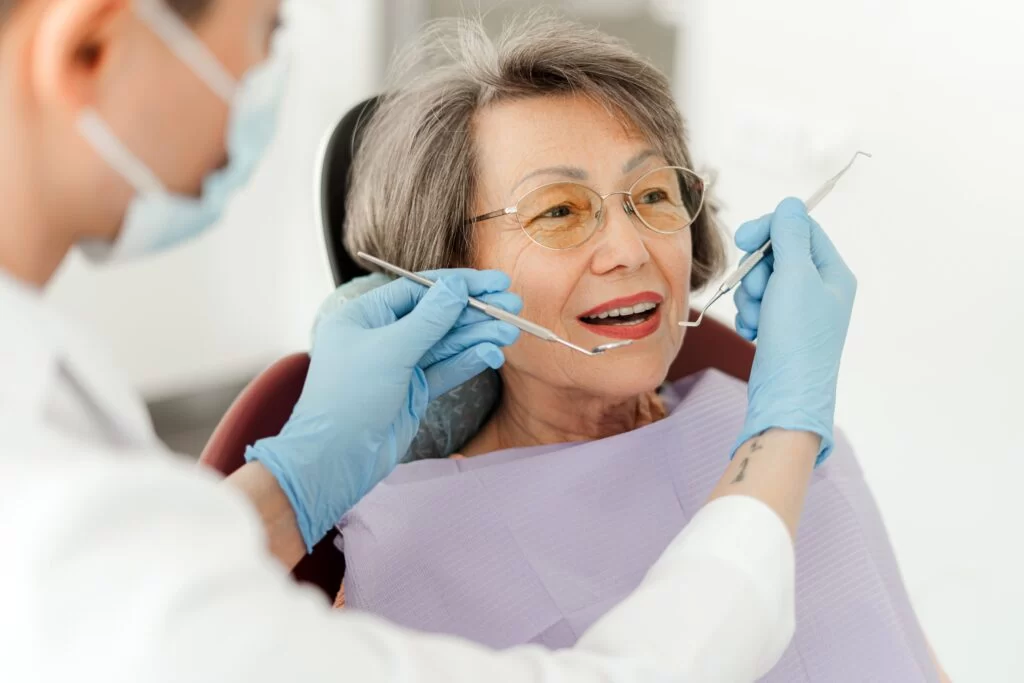
Essential Tooth Care Services for Seniors: A Guide to Oral Health for the Elderly
- The Importance of Dental Care for Seniors
- Common Oral Health Issues for Seniors
- Tooth Care Services for Seniors
- Maintaining Good Oral Hygiene
- Professional Dental Treatments for Elderly
- Tips for Healthy Teeth in Seniors
- When to Visit a Dentist
The Importance of Dental Care for Seniors
As people age, their dental health often requires special attention. Seniors are at a higher risk of developing oral health problems such as tooth decay, gum disease, and even tooth loss. With the right tooth care services, however, these issues can be prevented or managed, ensuring a healthier, more comfortable life.
Good dental hygiene not only helps to maintain the appearance of teeth, but it also contributes to overall health. Research has shown that oral health is closely linked to conditions such as heart disease, diabetes, and even Alzheimer’s disease, making senior dental care an essential part of maintaining quality of life.
Common Oral Health Issues for Seniors
As we age, our teeth and gums undergo natural changes that can lead to various dental issues. Some of the most common oral health problems faced by seniors include:
1. Tooth Decay
Even though seniors may have had decades of brushing and flossing, tooth decay can still occur, particularly if dry mouth (a common side effect of medications) is present. Decay often affects the teeth near the gums, leading to cavities and further damage.
2. Gum Disease
Gum disease, or periodontal disease, is a major concern for seniors. It begins with gingivitis (inflammation of the gums) and can progress to periodontitis, which can lead to tooth loss if left untreated. Smoking, diabetes, and certain medications can increase the risk.
3. Dry Mouth (Xerostomia)
Dry mouth is a frequent issue for seniors, particularly for those who take multiple medications. Saliva plays a crucial role in maintaining oral health by helping to wash away food particles and neutralize acids that can cause tooth decay. Reduced saliva production increases the risk of cavities and gum disease.
4. Tooth Loss
Tooth loss can occur due to a combination of factors such as untreated decay, gum disease, and aging. This can affect a senior's ability to eat, speak, and smile confidently. Dental prosthetics, such as dentures or implants, can help restore function and appearance.
Tooth Care Services for Seniors
To ensure that seniors maintain healthy teeth and gums, there are several tooth care services designed specifically for their needs. These services can be provided by general dentists or specialists trained in senior oral care:
1. Comprehensive Dental Examinations
Regular dental exams are crucial for identifying potential oral health problems early on. During these exams, dentists check for signs of gum disease, tooth decay, and other issues. Early detection allows for quicker treatment, reducing the risk of serious complications.
2. Preventive Care
Preventive dental services, such as cleanings, fluoride treatments, and sealants, are essential for seniors to prevent oral health problems. These services help remove plaque and tartar, preventing the onset of gum disease and decay.
3. Restorative Dentistry
Restorative services, such as fillings, crowns, and bridges, are common for seniors who may experience tooth decay or wear. These treatments help restore damaged teeth, allowing seniors to maintain proper chewing function and a natural smile.
4. Dentures and Implants
For seniors with missing teeth, dentures or dental implants can provide both cosmetic and functional benefits. Dentures are removable, while implants are permanent solutions that mimic natural teeth. Both options help seniors maintain their ability to speak and eat comfortably.
Maintaining Good Oral Hygiene
Maintaining good oral hygiene is one of the most important aspects of senior dental care. It involves more than just brushing and flossing; it also includes lifestyle changes that help promote oral health:
1. Brushing and Flossing
Seniors should brush their teeth at least twice a day with fluoride toothpaste and floss once daily. This helps to remove plaque, prevent tooth decay, and reduce the risk of gum disease.
2. Using a Soft-Bristled Toothbrush
Using a soft-bristled toothbrush can help protect delicate gums and teeth from damage. Seniors should avoid brushing too hard, as this can cause gum recession or tooth abrasion.
3. Staying Hydrated
Drinking plenty of water throughout the day helps combat dry mouth and keep the mouth moist. Staying hydrated can also assist in washing away food particles and bacteria that can lead to decay.
4. Limiting Sugary Foods
Reducing sugar intake can lower the risk of cavities, especially in seniors who may have dry mouth. Opting for healthier snacks and foods can support overall oral health.
Professional Dental Treatments for Elderly
As seniors age, certain professional treatments become especially important for maintaining optimal dental health:
1. Scaling and Root Planing
For seniors with gum disease, scaling and root planing (a deep cleaning procedure) can help remove plaque and tartar below the gum line, preventing further damage.
2. Treatment for Dry Mouth
For seniors suffering from dry mouth, dentists can recommend various treatments, such as saliva substitutes or prescription medications that stimulate saliva production.
3. Oral Cancer Screenings
Oral cancer screenings are crucial for seniors, as the risk of oral cancer increases with age. Regular screenings can help detect early signs of cancer, improving the chances of successful treatment.
Tips for Healthy Teeth in Seniors
Here are some tips that can help seniors keep their teeth and gums healthy:
1. Regular Dental Visits
Schedule regular check-ups with a dentist to monitor oral health. Early detection of problems can help prevent more serious issues down the line.
2. Take Care of Dentures
If using dentures, seniors should clean them thoroughly every day and visit their dentist for adjustments as needed.
3. Maintain a Balanced Diet
A healthy diet rich in vitamins and minerals, especially calcium and vitamin D, can help keep teeth strong and support overall gum health.
When to Visit a Dentist
If any of the following symptoms occur, it's time to visit a dentist:
- Persistent tooth pain or sensitivity
- Red, swollen, or bleeding gums
- Difficulty chewing or swallowing
- Loose teeth or dentures
- Changes in the appearance of the mouth or teeth
Regular dental visits ensure that seniors can maintain their oral health and prevent further complications.






 Western Dental & Orthodontics3.0 (328 review)
 Dr. Susan R. Richardson Overstreet, DDS4.0 (1 review)
 ChapCare by AltaMed Medical and Dental Group — Pasadena, Fair Oaks3.0 (47 review)
 Capital City Pediatric Dentistry3.0 (41 review)
 Jordan Valley Dental4.0 (132 review)
 Carolina Dental Arts - New Bern Ave4.0 (152 review)
 The Importance of Oral Health Education During Pregnancy for a Healthy Pregnancy
 Best Tips for Brushing Your Teeth Properly for Healthy Gums: Essential Techniques for Oral Health
 Why Skipping Dental Checkups Can Lead to Bigger Oral Health Problems
 Advantages of Porcelain Dental Restorations
 How Can Diabetes Cause Tooth and Gum Problems? Preventing and Managing Oral Health Issues
 Healthy Habits for Promoting Good Oral Health and Hygiene: Tips for a Healthy Smile