
Tips for Healthy Teeth and Gums for Seniors: Essential Oral Care for Elderly
- The Importance of Oral Care for Seniors
- Common Dental Issues for Seniors
- Daily Dental Care Tips for Seniors
- Special Care for Gums and Teeth as You Age
- Real-Life Experiences: Senior Dental Success Stories
- When to Seek Professional Dental Help
1. The Importance of Oral Care for Seniors
Oral health is essential at any age, but it becomes even more important as we grow older. For seniors, maintaining healthy teeth and gums is crucial not only for a beautiful smile but also for overall well-being. Poor oral health can lead to a range of health issues, including gum disease, tooth loss, and even heart disease. Therefore, it’s essential for seniors to adopt good oral care habits to preserve their oral health and quality of life.
Dental health problems are common among seniors due to natural aging processes such as dry mouth, decreased saliva production, and the wear and tear of teeth over time. However, with the right care and attention, most of these issues can be managed effectively.
2. Common Dental Issues for Seniors
As we age, certain dental problems become more prevalent. Understanding these common issues can help seniors take preventive measures and seek timely treatment:
- Dry Mouth: Many seniors experience dry mouth due to medications, which can increase the risk of tooth decay and gum disease.
- Gum Disease: Gum disease is one of the most common dental issues in seniors. It starts as gingivitis and can progress to periodontitis if not treated early.
- Tooth Loss: Tooth loss is a natural consequence of aging and poor oral hygiene. However, with proper care, this can be prevented or minimized.
- Tooth Sensitivity: As enamel wears down with age, seniors may experience tooth sensitivity to hot, cold, or sweet foods.
3. Daily Dental Care Tips for Seniors
Maintaining a consistent oral hygiene routine is the first step in preserving healthy teeth and gums. Here are some essential tips for seniors:
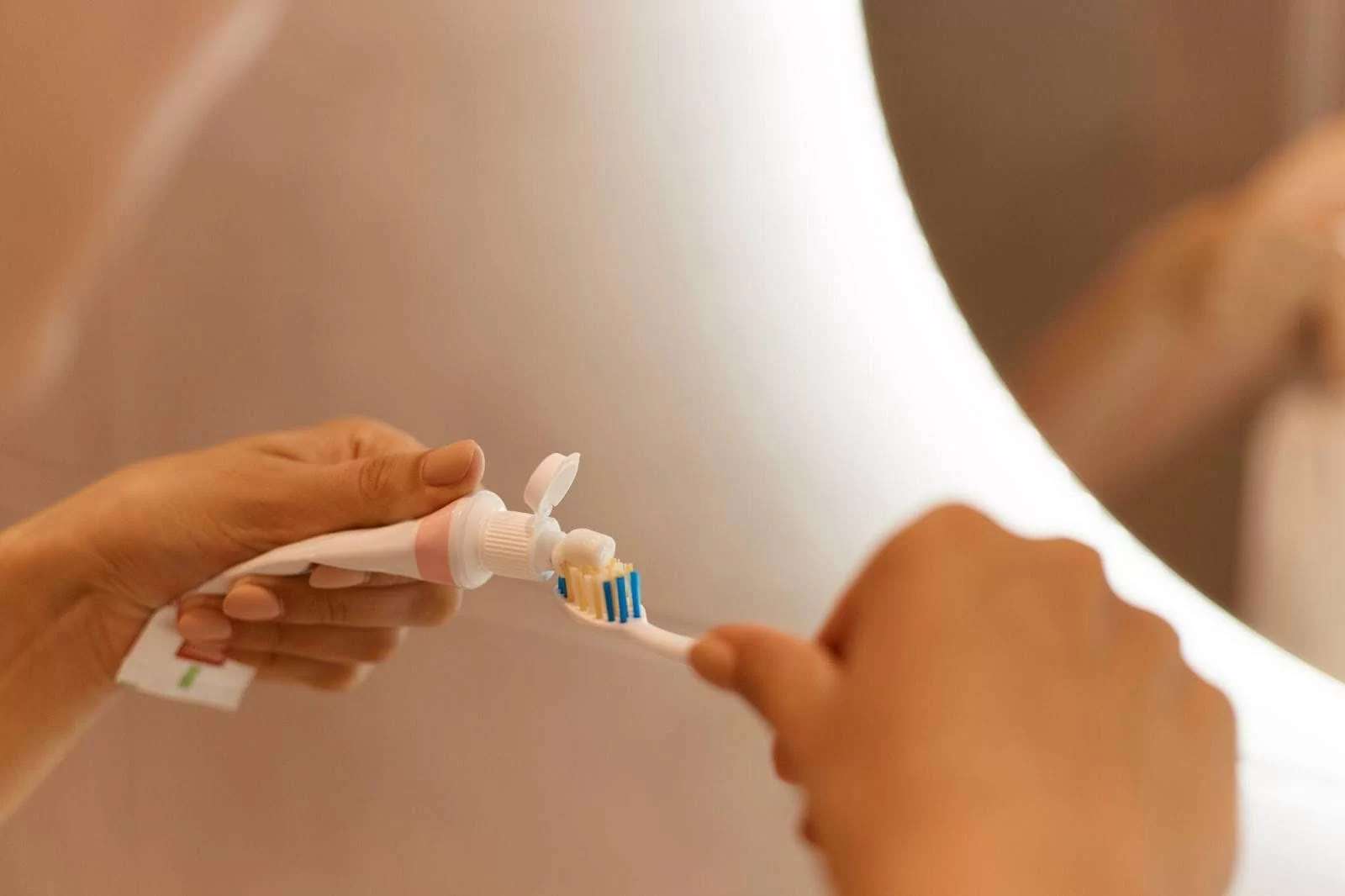
- Brush Twice a Day: Brush your teeth at least twice a day using fluoride toothpaste. Use a soft-bristled toothbrush to avoid damaging sensitive gums.
- Floss Daily: Flossing removes food particles and plaque from between your teeth, helping to prevent gum disease and cavities.
- Use Mouthwash: An antimicrobial mouthwash can help reduce plaque and bacteria in the mouth, especially in areas that are hard to reach with a toothbrush.
- Stay Hydrated: Drink plenty of water throughout the day to help combat dry mouth and keep your mouth moist.
- Choose Healthy Foods: Eating a balanced diet rich in calcium, vitamin D, and antioxidants can support strong teeth and gums.
4. Special Care for Gums and Teeth as You Age
As you age, it’s important to focus on the health of your gums as well as your teeth. Here are some tips for maintaining gum health:
- Regular Dental Checkups: Visit your dentist regularly to catch any early signs of gum disease or other oral health issues.
- Use a Soft-Bristled Toothbrush: A soft-bristled toothbrush helps prevent irritation of the gums, which can become more sensitive with age.
- Massage Your Gums: Gently massaging your gums with your toothbrush or finger can increase blood circulation and help maintain healthy gum tissue.
- Consider Electric Toothbrushes: For seniors with limited hand strength or dexterity, an electric toothbrush can be more effective and easier to use.
5. Real-Life Experiences: Senior Dental Success Stories
Many seniors have successfully improved their dental health by following a proper care routine. For instance, one elderly woman who had been experiencing gum sensitivity and mild tooth loss saw significant improvement after incorporating flossing and regular checkups into her routine. With her dentist’s advice, she also started using a fluoride mouthwash, which reduced her risk of cavities and gum disease.
Another senior shared how they overcame dry mouth and tooth sensitivity by staying hydrated throughout the day and using a saliva-stimulating mouthwash. Their dentist recommended a few small changes to their diet, including limiting sugary snacks, and now their teeth are in much better shape than before.
These stories highlight the difference that a solid oral care routine can make for seniors and demonstrate how it's never too late to start taking care of your teeth and gums.
6. When to Seek Professional Dental Help
It’s essential for seniors to know when to seek professional dental help. If you experience any of the following symptoms, it’s time to visit your dentist:
- Persistent tooth pain or discomfort
- Swollen or bleeding gums
- Dry mouth that doesn’t improve with hydration
- Changes in the appearance or texture of your teeth
- Difficulty chewing or swallowing
By addressing these issues early, you can prevent more severe complications down the road. Regular checkups are an opportunity to address these concerns and ensure your teeth and gums remain healthy as you age.
For more information on senior dental care and tips for maintaining a healthy smile, visit Dentistry Toothtruth.






 Dental Dreams4.0 (967 review)
 Equitas Health Short North Medical Center3.0 (96 review)
 Bill Johnson, Dmd4.0 (36 review)
 MDS Dental Solutions, LLC0.0 (0 review)
 High Point Dental Group4.0 (510 review)
 Green Dental Health and Aesthetics5.0 (56 review)
 The Importance of Oral Health Education During Pregnancy for a Healthy Pregnancy
 Best Tips for Brushing Your Teeth Properly for Healthy Gums: Essential Techniques for Oral Health
 Why Skipping Dental Checkups Can Lead to Bigger Oral Health Problems
 Advantages of Porcelain Dental Restorations
 How Can Diabetes Cause Tooth and Gum Problems? Preventing and Managing Oral Health Issues
 Healthy Habits for Promoting Good Oral Health and Hygiene: Tips for a Healthy Smile