
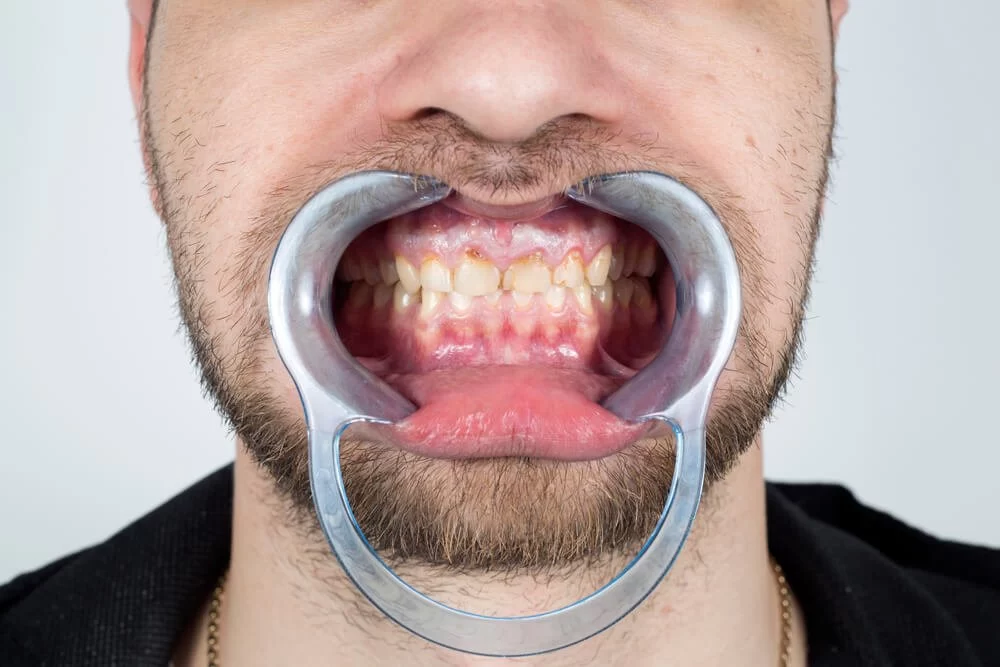
Tips for Getting Rid of Plaque: Effective Methods for a Healthier Smile
- Why Plaque Removal is Important
- Common Causes of Plaque Buildup
- Top Tips for Removing Plaque
- How Diet Affects Plaque Buildup
- Real-Life Plaque Removal Success Stories
1. Why Plaque Removal is Important
Plaque is a sticky, colorless film of bacteria that forms on your teeth and gums. If left untreated, plaque can lead to serious oral health issues, including cavities, gum disease, and bad breath. Regularly removing plaque helps prevent these issues and promotes healthier teeth and gums.
In addition to improving your overall oral hygiene, plaque removal also ensures that your smile remains bright and fresh. That’s why adopting a routine that includes plaque removal is crucial for maintaining long-term oral health.
2. Common Causes of Plaque Buildup
Before diving into tips for getting rid of plaque, it's important to understand the common causes of plaque buildup. Plaque forms when bacteria in your mouth mix with food particles, especially sugars and starches. The following factors can contribute to plaque accumulation:
- Poor Oral Hygiene: Infrequent brushing and flossing allow plaque to form and harden on your teeth.
- Diet High in Sugar and Carbs: Foods that are rich in sugar and starch provide food for plaque-causing bacteria, leading to an increased buildup of plaque.
- Smoking: Smoking can reduce saliva production, which helps wash away food particles and bacteria, making plaque removal harder.
- Genetics: Some people are genetically predisposed to developing more plaque and tartar buildup, regardless of their oral hygiene habits.
3. Top Tips for Removing Plaque
There are several effective methods for getting rid of plaque and ensuring your teeth and gums stay healthy. Here are the top tips to help you fight plaque buildup:
- Brush Regularly: Brush your teeth at least twice a day using fluoride toothpaste. Make sure to brush all surfaces of your teeth and along the gumline to remove plaque before it hardens into tartar.
- Use Plaque-Fighting Toothpaste: Consider using toothpaste that is specifically designed to fight plaque and tartar buildup. Look for natural ingredients like baking soda and activated charcoal for gentle plaque removal.
- Floss Daily: Flossing is essential for getting rid of plaque between your teeth and along the gumline. Regular flossing helps remove food particles that brushing alone cannot reach.
- Use an Antimicrobial Mouthwash: Antimicrobial mouthwash can help kill bacteria and reduce plaque formation, providing an extra layer of protection for your oral health.
- Visit Your Dentist Regularly: Regular dental checkups and professional cleanings are essential for plaque and tartar removal. Your dentist can remove hardened plaque that cannot be removed with regular brushing and flossing.
4. How Diet Affects Plaque Buildup
Your diet plays a significant role in plaque buildup. Certain foods can contribute to plaque formation, while others can help reduce it. Here are some dietary tips to help minimize plaque buildup:
- Avoid Sugary Foods and Drinks: Sugary foods and drinks, such as candies and sodas, provide food for the bacteria that cause plaque. Limiting sugar intake can help reduce plaque formation.
- Eat More Fiber: High-fiber foods like fruits, vegetables, and whole grains help clean your teeth naturally by increasing saliva production, which helps wash away food particles and bacteria.
- Drink Plenty of Water: Staying hydrated helps keep your mouth moist and encourages saliva production, which is essential for neutralizing acids and washing away bacteria.
5. Real-Life Plaque Removal Success Stories
Many people have successfully removed plaque and improved their oral health by adopting the right habits. For example, a user shared how incorporating flossing and using plaque-fighting toothpaste led to noticeable improvements in the health of their gums, reducing both plaque buildup and gum sensitivity.
Another success story comes from a user who struggled with persistent plaque buildup but found relief after switching to a diet rich in fiber and low in sugar. By following a consistent oral hygiene routine and focusing on dietary changes, they were able to keep plaque at bay and enjoy a cleaner, healthier mouth.
If you're ready to take control of your oral health and get rid of plaque, visit Dentistry Toothtruth for more tips and recommendations on how to maintain a healthier smile. Explore natural plaque removal products that can support your journey toward better oral hygiene today!






 McElroy Pediatric Dentistry4.0 (234 review)
 Highland Dental Clinic: Dr. Robert Klein5.0 (7 review)
 Middletown Family Dental | Dentist in Middletown RI | DMD4.0 (247 review)
 SimpliSmiles Farmingdale4.0 (386 review)
 Brick Dental Studio4.0 (101 review)
 Sun City West Dental4.0 (161 review)
 The Importance of Oral Health Education During Pregnancy for a Healthy Pregnancy
 Best Tips for Brushing Your Teeth Properly for Healthy Gums: Essential Techniques for Oral Health
 Why Skipping Dental Checkups Can Lead to Bigger Oral Health Problems
 Advantages of Porcelain Dental Restorations
 How Can Diabetes Cause Tooth and Gum Problems? Preventing and Managing Oral Health Issues
 Healthy Habits for Promoting Good Oral Health and Hygiene: Tips for a Healthy Smile