
Why Good Oral Hygiene Is More Important Than You Think
Most people brush their teeth daily, but few truly understand the far-reaching effects of consistent and thorough oral care. In the United States, where fast food, sugary snacks, and busy lifestyles often interfere with personal wellness routines, oral hygiene can easily be overlooked. However, poor dental care doesn’t just result in cavities or bad breath—it can lead to serious health problems that affect your heart, lungs, and even mental well-being. Let’s dive into the hidden power of oral hygiene and the real-life benefits that come with taking it seriously.
1. Disease Prevention That Starts in Your Mouth
Oral Bacteria and Your Immune System
Your mouth is a gateway to your body. Every time you eat, drink, or even breathe, bacteria travel through your system. With poor hygiene, harmful bacteria thrive, creating not only dental problems like gum disease but also increasing the risk for systemic issues. Gum disease, also known as periodontal disease, has been linked to cardiovascular disease, diabetes, respiratory infections, and even Alzheimer’s.
A Story from Chicago: More Than Just a Toothache
Take the case of John M., a 52-year-old truck driver from Chicago. What started as a mild toothache escalated into a dangerous abscess. Ignoring the signs, John delayed treatment until he developed a fever and chest pain. A hospital visit revealed the infection had spread into his bloodstream, triggering sepsis. He spent three weeks in intensive care. “I thought brushing once a day was enough,” he said later. “Now I brush, floss, and go for cleanings like clockwork.”
2. Fresher Breath, Brighter Confidence
More Than Cosmetic Benefits
Bad breath—or halitosis—is often more than just an embarrassing social faux pas. It can be an early sign of gum disease, dry mouth, or infection. Regular brushing and flossing remove the food particles and plaque that cause odors. Professional cleanings can access areas a toothbrush simply can’t reach, ensuring breath stays fresh and smiles stay confident.
The Confidence Factor in the Workplace
According to a recent survey by the American Dental Association, 68% of Americans say a person’s smile can impact career success. For Sarah L., a 29-year-old marketing executive in Austin, regular dental visits and teeth whitening sessions gave her the edge during client presentations. “I used to cover my mouth when I smiled,” she says. “Now, I lead meetings with a confident grin.”
3. Saving Money Through Prevention
Small Habits, Big Financial Impact
Preventative dental care is far more affordable than restorative procedures. Brushing, flossing, and biannual cleanings might cost a few hundred dollars a year. Compare that to the $1,500 to $3,000 you might spend on root canals, crowns, or periodontal surgery. By maintaining good oral hygiene, you avoid expensive procedures and long recovery times.
A Costly Mistake in Atlanta
David P., a 40-year-old contractor from Atlanta, skipped dental visits for years. By the time he finally saw a dentist, he needed three root canals and two extractions, costing him over $7,000 out of pocket. “If I had just gone every six months, I’d have saved thousands,” David admits.
4. Improved Overall Health and Longevity
The Link Between Oral and Systemic Health
Recent studies from the Mayo Clinic and Harvard University confirm the link between oral health and chronic diseases. Poor oral hygiene is a contributor to heart disease, stroke, and even certain cancers. Inflammation caused by periodontal disease has systemic effects, compromising immunity and worsening pre-existing conditions.
Dental Health and Diabetes
People with diabetes are particularly at risk. High blood sugar levels feed the bacteria in the mouth, accelerating plaque formation and gum inflammation. In turn, gum disease can make it harder to control blood sugar. It becomes a vicious cycle—one that good oral hygiene can help break.
5. A Positive Daily Routine That Boosts Mental Well-being
Mindful Habits That Go Beyond the Bathroom Sink
Good oral hygiene is more than a routine—it’s a small act of self-care that sets the tone for the rest of your day. Many Americans use morning and evening brushing as an anchor for mindfulness. It’s a few moments to reset, reflect, and care for your well-being. This consistency can translate into other healthy habits, from diet to sleep to exercise.
Family Lessons That Last a Lifetime
Teaching children good oral hygiene at an early age also builds discipline and responsibility. Emily R., a mom of three in Seattle, turned brushing into a family ritual. “We play a two-minute song while brushing,” she says. “It’s fun, and my kids look forward to it. It’s not just about teeth—it’s about bonding.”
6. Maintaining Oral Health as You Age
Senior Health and Tooth Retention
Aging doesn't mean losing your teeth. With consistent care, many seniors keep their natural teeth for life. This not only supports better nutrition and speech but also maintains facial structure and confidence. Dentures, while helpful, cannot fully replace the comfort and function of natural teeth.
Real Experiences from a Retirement Community
At a retirement center in Phoenix, Arizona, dental professionals run monthly workshops on flossing techniques and denture hygiene. Attendance is high, and the results are clear—residents report fewer mouth sores, improved chewing ability, and better digestion. “I never thought I’d be learning new brushing tricks at 80,” laughs Grace M., a resident. “But I’m glad I did.”
7. The Role of Dental Professionals in Your Hygiene Routine
Cleanings, Screenings, and Early Detection
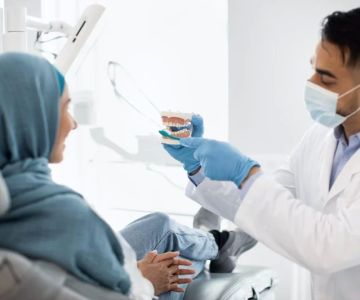
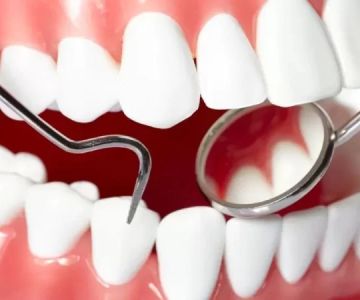
Regular visits to the dentist aren’t just about clean teeth. Dentists screen for oral cancer, early signs of cavities, jaw alignment, and more. These visits are essential checkups for your entire oral ecosystem. The American Dental Association recommends at least two dental visits per year for optimal health.
Partnering with Professionals
Think of your dentist as your partner in long-term health. Just as you visit a physician for annual physicals, dental professionals help track changes and identify problems before they escalate. Personalized care plans, fluoride treatments, and sealants can provide added protection tailored to your unique needs.
8. Making Good Oral Hygiene Part of American Life
Simple Daily Steps for a Healthier Future
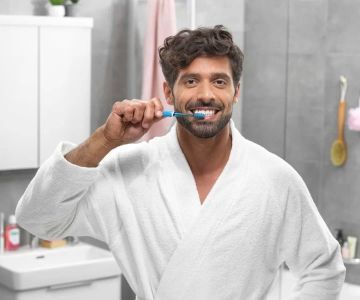
- Brush twice a day with fluoride toothpaste
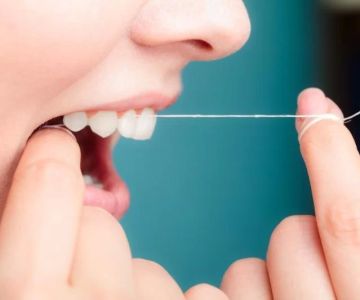
- Floss daily to remove hidden plaque and food particles
- Visit your dentist every six months
- Limit sugary foods and acidic beverages
- Drink plenty of water to rinse your mouth throughout the day
These simple steps, when practiced consistently, can lead to a lifetime of benefits. As more Americans begin to view dental health as a cornerstone of their overall wellness, the message is clear: good oral hygiene isn’t optional—it’s essential.

 Village Dental - North Raleigh4.0 (1577 review)
 Dental Health Associates, P.A.3.0 (355 review)
 Maine Orthodontics5.0 (2 review)
 Schuller Dental5.0 (196 review)
 Reichheld Ting Orthodontics - Westford5.0 (308 review)
 HealthPartners Dental Clinic St. Paul2.0 (16 review)
 The Importance of Oral Health Education During Pregnancy for a Healthy Pregnancy
 Best Tips for Brushing Your Teeth Properly for Healthy Gums: Essential Techniques for Oral Health
 Why Skipping Dental Checkups Can Lead to Bigger Oral Health Problems
 Advantages of Porcelain Dental Restorations
 How Can Diabetes Cause Tooth and Gum Problems? Preventing and Managing Oral Health Issues
 Healthy Habits for Promoting Good Oral Health and Hygiene: Tips for a Healthy Smile