
Understanding the Stages of Gum Disease and Effective Treatments
- What is Gum Disease?
- Identifying Early Stage Gum Disease
- Progression to Advanced Gum Disease
- Exploring Treatment Options
- Tips for Maintaining Gum Health
What is Gum Disease?
Gum disease, also known as periodontal disease, is an infection of the tissues that hold your teeth in place. It is typically caused by poor oral hygiene practices, which allow plaque—a sticky film of bacteria—to build up on the teeth and harden. Understanding the stages of gum disease can help in early detection and prevention.
Identifying Early Stage Gum Disease
The earliest stage of gum disease is gingivitis. This stage is characterized by red, swollen gums that bleed easily. At this stage, the damage can often be reversed since the bone and connective tissue holding teeth are not yet affected. Regular dental check-ups and good at-home oral care play a crucial role in catching gingivitis early.
Consider the story of John, a professional in his 40s who noticed bleeding gums but dismissed it as trivial. During his routine check-up, his dentist intervened early, preventing further progression through tailored advice and professional cleaning.
Progression to Advanced Gum Disease
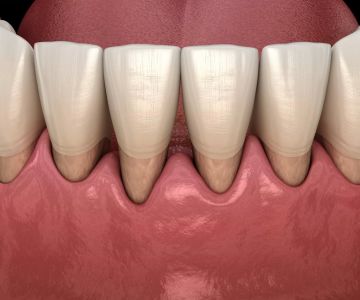
If gingivitis is left untreated, it can advance to periodontitis—a severe form of gum disease. In this stage, the gums pull away from the teeth, forming pockets that become infected. Chronic inflammation can cause loss of tissue and bone, potentially leading to teeth becoming loose or even losing them.
Jane's experience highlights the importance of not ignoring early symptoms. Her delayed treatment led to extensive periodontal intervention, illustrating the necessity of timely care.
Exploring Treatment Options
The treatment of gum disease varies depending on the stage of development. For gingivitis, the combination of professional cleaning and improved home care may suffice. Advanced stages may require scaling and root planing, medications, or even surgical interventions to restore health.
At Dentistry Toothtruth, a range of modern treatments is available to cater to individual patient needs. From deep cleanings to innovative regenerative procedures, the focus is always on regaining optimal gum health.
Tips for Maintaining Gum Health
Preventing gum disease begins with maintaining excellent oral hygiene. Regularly brushing, flossing, and visiting your dentist are key components. Additionally, understanding the impact of lifestyle changes, such as quitting smoking, can dramatically improve gum outcomes.
If you're eager to keep your gums healthy, visit us at Dentistry Toothtruth for expert advice and state-of-the-art treatments. Our team is dedicated to helping you achieve vibrant gum health.

 Kendrick Orthodontics4.0 (142 review)
 Brentwood Dental Care4.0 (48 review)
 Smilebliss Orthodontics4.0 (114 review)
 Contemporary Dental Care4.0 (110 review)
 Braces By Dr. Ruth4.0 (1052 review)
 Significance Dental Specialists4.0 (419 review)
 The Importance of Oral Health Education During Pregnancy for a Healthy Pregnancy
 Best Tips for Brushing Your Teeth Properly for Healthy Gums: Essential Techniques for Oral Health
 Why Skipping Dental Checkups Can Lead to Bigger Oral Health Problems
 Advantages of Porcelain Dental Restorations
 How Can Diabetes Cause Tooth and Gum Problems? Preventing and Managing Oral Health Issues
 Healthy Habits for Promoting Good Oral Health and Hygiene: Tips for a Healthy Smile