
Understanding Sleep Apnea and Its Impact on Oral Health
- Overview of Sleep Apnea
- How Sleep Apnea Affects Oral Health
- Preventive Measures and Treatments
- Treatment Options for Sleep Apnea and Oral Health
- Conclusion: The Link Between Sleep Apnea and Oral Health
Overview of Sleep Apnea
Sleep apnea is a common disorder that causes a person to experience interrupted breathing while asleep. It can lead to fragmented sleep and result in serious health issues like fatigue, high blood pressure, and even heart disease. There are two main types: obstructive sleep apnea (OSA), where the airway becomes blocked during sleep, and central sleep apnea, which occurs when the brain fails to send signals to the muscles that control breathing. Understanding sleep apnea and its effects on the body is crucial for improving overall health and well-being.
How Sleep Apnea Affects Oral Health
Sleep apnea does not only impact general health; it can also have serious implications for oral health. One of the most common issues is dry mouth. People with sleep apnea often breathe through their mouths, especially at night, which can lead to dehydration and dryness in the mouth. This condition can contribute to cavities, gum disease, and bad breath.
Another dental issue linked to sleep apnea is bruxism, or teeth grinding. Bruxism often occurs during sleep and is typically a response to the airway obstruction that happens with OSA. Over time, this can lead to tooth wear, jaw pain, and even fractured teeth.
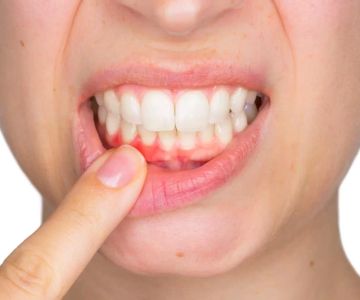
Additionally, individuals with sleep apnea are at higher risk of developing periodontal disease due to the reduced oxygen levels and the increased acidity in the mouth caused by dry mouth. This can exacerbate gum inflammation and lead to tooth loss if left untreated.
Preventive Measures and Treatments
While the relationship between sleep apnea and oral health can be concerning, there are effective ways to manage both conditions. Preventive measures can go a long way in maintaining oral health while managing sleep apnea. Some of the most effective measures include:
- Humidifiers: Using a humidifier in the bedroom can help maintain moisture in the air, preventing dry mouth caused by mouth breathing during sleep.
- Oral Appliances: A dentist may recommend an oral appliance that helps reposition the jaw and tongue, improving airflow during sleep.
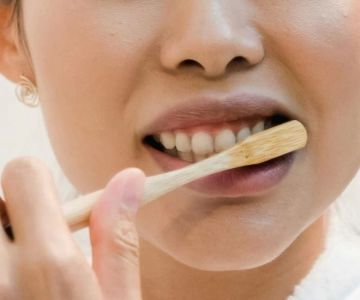
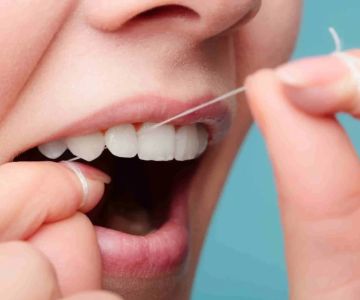
- Good Oral Hygiene: Regular brushing, flossing, and using mouthwash can help prevent cavities, gum disease, and other dental issues associated with sleep apnea.
In addition to these home remedies, seeking professional treatment for sleep apnea, such as continuous positive airway pressure (CPAP) therapy, can significantly reduce the severity of sleep apnea and improve both sleep quality and oral health.
Treatment Options for Sleep Apnea and Oral Health
For individuals with more severe forms of sleep apnea, treatment options may include CPAP machines or surgery. The CPAP machine is the most common treatment for OSA and involves wearing a mask that delivers constant airflow to keep the airways open during sleep. It has been shown to significantly improve sleep quality, reduce snoring, and prevent long-term health problems associated with sleep apnea.
In cases where CPAP therapy is not suitable, other dental treatments such as mandibular advancement devices (MADs) can be used. These devices reposition the lower jaw to keep the airway open while sleeping, and they are an excellent alternative for those who cannot tolerate CPAP machines.
For those with bruxism, a dentist may recommend a custom-made night guard to protect the teeth from grinding and reduce the risk of tooth damage.
Conclusion: The Link Between Sleep Apnea and Oral Health
The connection between sleep apnea and oral health is clear—both conditions are closely intertwined, and untreated sleep apnea can lead to a range of oral health issues. Understanding the risks and taking preventive measures is essential for maintaining good oral health while managing sleep apnea. Early intervention, such as using oral appliances, practicing good oral hygiene, and seeking professional treatment for sleep apnea, can significantly improve both overall health and dental well-being.
If you suspect you have sleep apnea or are experiencing dental issues related to sleep apnea, consider consulting with a dentist or healthcare provider for personalized advice and treatment options. Learn more about managing sleep apnea and oral health at Dentistry Toothtruth.


 Ecologic Dentistry4.0 (115 review)
 Dr. Maha Blaibel, DDS5.0 (6 review)
 Daniel Jeffrey Cohen, DDS5.0 (117 review)
 Soundview Dental Arts5.0 (19 review)
 Absolute Dental - Flamingo4.0 (582 review)
 AV Dental Associates of Ramsey LLC5.0 (57 review)
 The Importance of Oral Health Education During Pregnancy for a Healthy Pregnancy
 Best Tips for Brushing Your Teeth Properly for Healthy Gums: Essential Techniques for Oral Health
 Why Skipping Dental Checkups Can Lead to Bigger Oral Health Problems
 Advantages of Porcelain Dental Restorations
 How Can Diabetes Cause Tooth and Gum Problems? Preventing and Managing Oral Health Issues
 Healthy Habits for Promoting Good Oral Health and Hygiene: Tips for a Healthy Smile