
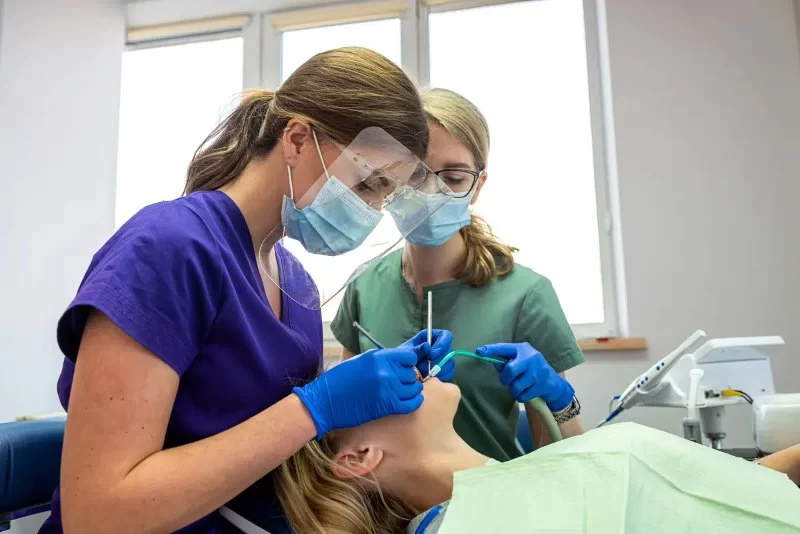
Understanding the Role of a Dental Hygienist and How They Help Your Health
- 1 - The Role of a Dental Hygienist
- 2 - Why Dental Hygiene Matters
- 3 - How Dental Hygienists Assist in Maintaining Oral Health
- 4 - Common Treatments Performed by Dental Hygienists
- 5 - How Professional Dental Care Helps Maintain Your Oral Health
1 - The Role of a Dental Hygienist
The role of a dental hygienist goes far beyond cleaning teeth. These skilled professionals play a crucial part in maintaining oral health, not only through routine cleaning but also by providing essential preventive care and educating patients on proper dental hygiene practices. As someone who has interacted with dental hygienists regularly, I’ve come to appreciate how their work influences overall health.
Dental hygienists are licensed healthcare professionals who specialize in cleaning teeth, taking x-rays, applying sealants, and providing preventive dental care. They work alongside dentists to ensure that a patient’s oral health is optimized, often identifying potential oral health problems before they become more serious issues.
2 - Why Dental Hygiene Matters
Good dental hygiene is essential for preventing common dental issues such as cavities, gum disease, and bad breath. However, the importance of maintaining oral hygiene goes beyond just having a bright smile. Poor oral health can lead to serious conditions such as heart disease, diabetes, and respiratory problems. That’s why regular visits to a dental hygienist are so important.
During my last visit to the dentist, I learned about the long-term effects of not maintaining proper dental hygiene. My hygienist explained that neglecting regular cleanings and check-ups can result in plaque buildup, leading to gum inflammation and, eventually, gum disease. Gum disease is often linked to other systemic health problems, making it vital to stay on top of your oral health routine.
3 - How Dental Hygienists Assist in Maintaining Oral Health
Dental hygienists play a central role in helping patients maintain their oral health. Their services are crucial for both preventing oral diseases and identifying potential issues before they worsen. Here are some ways dental hygienists contribute to oral health:
3.1 Cleaning and Scaling
One of the most common tasks performed by dental hygienists is cleaning teeth. They use specialized tools to remove plaque, tartar, and stains from the surfaces of the teeth. Regular cleanings help prevent the buildup of plaque, which can lead to cavities and gum disease. I remember the first time my hygienist cleaned my teeth, and I left feeling like I had a fresh start—my mouth felt so much healthier.
3.2 Fluoride Treatment and Sealants
In addition to cleanings, dental hygienists often apply fluoride treatments to strengthen tooth enamel and prevent cavities. They also apply dental sealants, which are thin coatings placed on the back teeth to prevent decay. These treatments help protect teeth from the harmful effects of acids and bacteria, particularly for those who are prone to cavities.
3.3 Patient Education
One of the most valuable services provided by dental hygienists is patient education. They take the time to teach patients about the proper way to brush and floss, as well as how to choose the right products for their oral health needs. My hygienist took the time to demonstrate how to properly floss around my braces, which was incredibly helpful. By educating patients, hygienists empower us to take better care of our teeth at home.
4 - Common Treatments Performed by Dental Hygienists
Dental hygienists perform a variety of treatments to help maintain oral health. Some of the most common treatments include:
4.1 Deep Cleanings (Scaling and Root Planing)
If you have gum disease or a significant buildup of plaque, a deep cleaning may be necessary. This procedure involves cleaning below the gumline to remove bacteria and tartar that regular cleanings can’t reach. It’s often done in stages to ensure that the gums heal properly afterward.
4.2 X-rays
Dental hygienists often take x-rays to help dentists assess the health of your teeth and gums. These images help identify cavities, infections, and bone loss that might not be visible to the naked eye.
4.3 Whitening and Aesthetic Treatments
Many dental hygienists also offer teeth whitening services to help improve the appearance of a patient’s smile. Whether through in-office treatments or take-home kits, whitening can help brighten discolored teeth and give patients the confidence to smile.
5 - How Professional Dental Care Helps Maintain Your Oral Health
Visiting a dental hygienist regularly is essential for maintaining good oral health. Professional care not only helps prevent cavities and gum disease but also ensures that any issues are identified early, leading to better outcomes and less invasive treatments. Routine visits to the hygienist are just as important as regular visits to your doctor for overall health maintenance.
For example, a friend of mine didn’t visit the dentist for several years and later discovered she had advanced gum disease. If she had regularly seen a hygienist, the problem could have been addressed earlier, saving her time and money in the long run. This is why I always recommend getting your teeth professionally cleaned at least every six months, as it helps keep your teeth and gums healthy while preventing costly procedures down the road.
If you're looking for expert dental care and hygiene services, Family Dentistry Online offers a range of solutions to ensure you maintain optimal oral health.






 The Toothery4.0 (209 review)
 Shawn O'Berry DDS5.0 (26 review)
 Holden Barry L DMD, PC4.0 (10 review)
 Grand Avenue Dental Center4.0 (422 review)
 Pinnacle Peak Family Dentistry4.0 (439 review)
 Dr. Amy James & Associates Orthodontists4.0 (179 review)
 The Importance of Oral Health Education During Pregnancy for a Healthy Pregnancy
 Best Tips for Brushing Your Teeth Properly for Healthy Gums: Essential Techniques for Oral Health
 Why Skipping Dental Checkups Can Lead to Bigger Oral Health Problems
 Advantages of Porcelain Dental Restorations
 How Can Diabetes Cause Tooth and Gum Problems? Preventing and Managing Oral Health Issues
 Healthy Habits for Promoting Good Oral Health and Hygiene: Tips for a Healthy Smile