
The Link Between Oral Health and Brain Health: Exploring the Connection
- Introduction
- The Oral Health and Brain Health Connection
- How Poor Oral Health Affects Brain Health
- Studies and Research Supporting the Link
- Oral Health Tips for Better Brain Health
- Real-Life Stories of Oral Health Impacting Brain Health
- Where to Buy Products for Oral Health
It’s no secret that maintaining good oral health is crucial for overall well-being, but did you know that your oral health could also have a direct impact on your brain health? Recent research has shown a fascinating connection between the two, revealing that oral hygiene may play a significant role in preventing cognitive decline, Alzheimer’s, and other neurological diseases. In this article, we will explore the link between oral health and brain health, how poor oral hygiene can contribute to brain diseases, and tips for improving your oral health to benefit your brain.
The Oral Health and Brain Health Connection
The link between oral health and brain health has been the subject of increasing research in recent years. Scientists have found that bacteria from the mouth can enter the bloodstream, travel to the brain, and cause inflammation. This inflammation is believed to play a role in the development of neurodegenerative diseases like Alzheimer’s disease and dementia.
Oral health issues such as gum disease, tooth decay, and poor dental hygiene can lead to the growth of harmful bacteria in the mouth. These bacteria may not only cause oral infections but may also have serious consequences for brain function. Inflammation caused by these bacteria may affect the brain’s ability to function properly, potentially leading to cognitive impairment.
How Poor Oral Health Affects Brain Health
When we fail to maintain proper oral hygiene, harmful bacteria can accumulate in the mouth, leading to conditions like gum disease (periodontitis) and tooth infections. These bacteria can enter the bloodstream and travel to other parts of the body, including the brain. Once they reach the brain, they can cause inflammation and trigger the release of proteins that are associated with the development of Alzheimer’s disease.
1. Gum Disease and Cognitive Decline
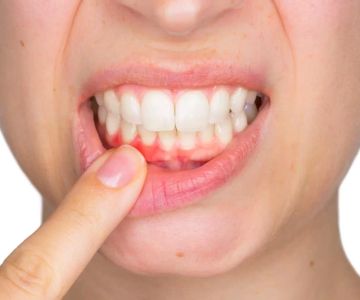
Gum disease, especially chronic periodontitis, is linked to an increased risk of cognitive decline. Studies suggest that the bacteria involved in gum disease can produce toxins that trigger inflammation in the brain. This inflammation is thought to contribute to the progressive damage seen in Alzheimer’s and other cognitive disorders.
2. Tooth Infections and Brain Function
Infections in the teeth, particularly when left untreated, can lead to the spread of bacteria into the bloodstream. This condition, known as bacteremia, can cause systemic inflammation, which may affect brain function and even contribute to the development of dementia in some individuals.
Studies and Research Supporting the Link
Recent studies have provided compelling evidence for the connection between oral health and brain health. A study conducted by researchers at the University of California, Los Angeles (UCLA), found that patients with gum disease had an increased level of a protein called amyloid-beta, which is a marker for Alzheimer’s disease. Other studies have also shown that people with poor oral health are at a higher risk of developing Alzheimer’s, possibly due to the chronic inflammation caused by oral bacteria.
Another significant study published in the Journal of Alzheimer's Disease found that people with periodontitis had a higher likelihood of developing cognitive decline and dementia. This supports the hypothesis that oral health and brain health are closely intertwined, suggesting that taking care of your teeth and gums could be a preventive measure for cognitive diseases.
Oral Health Tips for Better Brain Health
Maintaining good oral health is more than just keeping your teeth clean—it could play a key role in protecting your brain as well. Here are some essential tips for improving your oral health and, in turn, boosting your brain health:
1. Brush and Floss Regularly
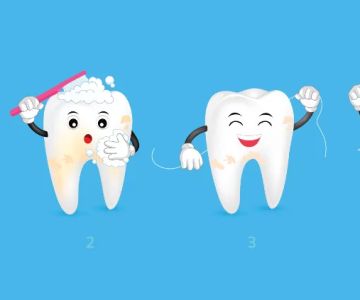
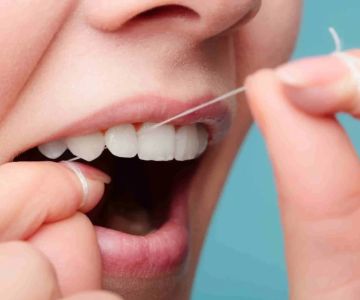
Brushing your teeth twice a day and flossing daily is essential for keeping harmful bacteria in check. Regular brushing and flossing remove food particles and plaque, preventing the buildup of bacteria that can lead to gum disease and tooth decay.
2. Visit the Dentist Regularly
Regular dental check-ups are crucial for detecting early signs of oral health issues, such as gum disease and tooth decay. Catching these problems early can prevent them from escalating and potentially causing brain-related health issues later on.
3. Use Antibacterial Mouthwash
Incorporating an antibacterial mouthwash into your routine can help reduce the number of harmful bacteria in your mouth. Mouthwash can also help reduce inflammation in the gums and keep your teeth and gums healthy.
4. Maintain a Healthy Diet
Eating a balanced diet rich in vitamins and minerals, particularly those that support gum health like vitamin C, can help keep your mouth healthy. Avoid sugary foods and drinks, as these can contribute to tooth decay and gum disease.
Real-Life Stories of Oral Health Impacting Brain Health
Many individuals have shared their experiences of improved brain health after focusing on their oral hygiene. Take Susan, for example, who had struggled with memory loss for years but noticed significant improvements after undergoing treatment for gum disease. "After my dentist treated my gum disease, I felt sharper mentally. It was like a fog had lifted," Susan explained.
Similarly, John, who had suffered from chronic tooth infections, found that his cognitive function improved after he started proper dental care. "Once I started treating my dental issues, I felt more alert and focused. It was a wake-up call," John shared.
These stories highlight the profound impact oral health can have on overall brain health, further emphasizing the importance of good oral hygiene practices.
Where to Buy Products for Oral Health
If you're looking to improve both your oral and brain health, consider investing in quality oral health products. Dentistry Toothtruth offers a range of dental care items, from toothpaste to mouthwash, designed to support oral health and reduce the risk of associated brain health issues. To learn more and explore our products, visit Dentistry Toothtruth for expert recommendations and high-quality dental solutions.



 UCLA Venice Dental Center3.0 (41 review)
 Advanced Family Smile Care P.C.4.0 (237 review)
 Dental Solutions of Roxborough4.0 (219 review)
 Kanwar Gill, BDS0.0 (0 review)
 Mark C Svore & Associates4.0 (22 review)
 JW Dentistry (formerly Dr. Wayne Wong, DDS)5.0 (62 review)
 The Importance of Oral Health Education During Pregnancy for a Healthy Pregnancy
 Best Tips for Brushing Your Teeth Properly for Healthy Gums: Essential Techniques for Oral Health
 Why Skipping Dental Checkups Can Lead to Bigger Oral Health Problems
 Advantages of Porcelain Dental Restorations
 How Can Diabetes Cause Tooth and Gum Problems? Preventing and Managing Oral Health Issues
 Healthy Habits for Promoting Good Oral Health and Hygiene: Tips for a Healthy Smile