
Understanding the Significance of Oral Hygiene in Healthcare
1. What is Oral Hygiene and Why is it Essential?
Oral hygiene refers to the practice of keeping the mouth, teeth, and gums clean and free from disease-causing bacteria and other harmful microorganisms. The primary goal of oral hygiene is to prevent dental problems such as tooth decay, gum disease, and bad breath. But beyond just maintaining a healthy smile, good oral hygiene is critical to overall health and well-being.
Many people overlook oral hygiene in favor of focusing on more immediate health issues, but research continues to highlight the crucial role that oral care plays in your overall physical health. Poor oral hygiene can lead to a variety of severe health conditions, which is why it’s important to brush, floss, and care for your teeth and gums daily.
2. The Impact of Poor Oral Hygiene on Your Health
When oral hygiene is neglected, plaque and bacteria accumulate in the mouth, leading to the development of cavities and gum disease. But the consequences of poor oral hygiene go far beyond just dental issues. Here’s how neglecting your oral health can affect your body:
- Heart Disease: Studies have shown that poor oral hygiene is linked to an increased risk of cardiovascular disease. Inflammation caused by gum disease can contribute to heart problems such as heart attacks and strokes.
- Diabetes: Individuals with diabetes are more prone to gum disease, and untreated dental issues can make it more difficult to control blood sugar levels. This creates a vicious cycle of poor oral health and worsening diabetes.
- Pneumonia: Bacteria from the mouth can enter the lungs and cause respiratory infections like pneumonia, particularly in elderly individuals or those with weakened immune systems.
- Pregnancy Complications: Pregnant women with gum disease are at higher risk of preterm birth and low birth weight babies. The bacteria that cause gum disease can enter the bloodstream and affect pregnancy outcomes.
- Oral Cancer: Poor oral hygiene and the resulting gum disease can increase the risk of oral cancer, particularly in individuals who smoke or consume alcohol.
3. How to Maintain Good Oral Hygiene
Good oral hygiene is relatively simple to achieve and requires just a few basic habits. These habits not only protect your teeth and gums, but they also help safeguard your overall health.
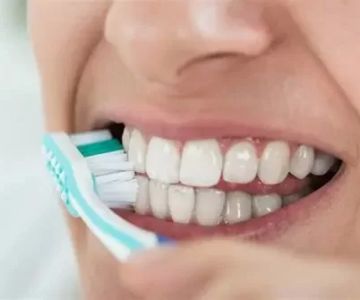
- Brushing Your Teeth: Brushing your teeth twice a day with fluoride toothpaste is essential. Make sure to use a soft-bristled brush and spend at least two minutes brushing. Don’t forget to brush your tongue to remove bacteria.
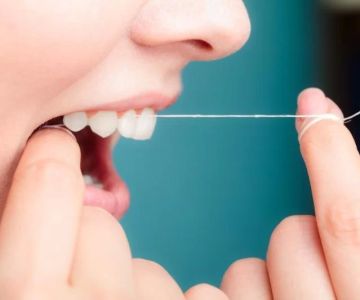
- Flossing: Flossing at least once a day helps remove food particles and plaque that brushing alone can’t reach. It’s important to be gentle while flossing to avoid injuring your gums.
- Mouthwash: Using an antibacterial mouthwash can help kill bacteria, reduce plaque, and keep your breath fresh. Choose a mouthwash that fights gingivitis and helps prevent cavities.
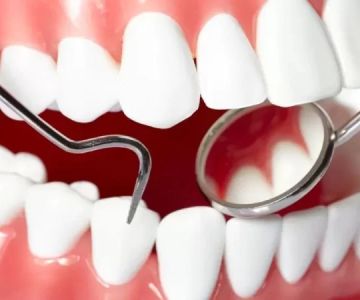
- Regular Dental Checkups: Even with good daily oral hygiene, regular visits to the dentist are essential. Dentists can detect early signs of problems like tooth decay and gum disease, and provide professional cleaning to remove plaque buildup that brushing and flossing can’t remove.
- Avoiding Harmful Habits: Avoid smoking and limit sugary snacks and drinks, as these habits contribute to tooth decay and gum disease. If you drink coffee or wine, be mindful of staining your teeth and rinse with water afterward.
4. The Link Between Oral Hygiene and Overall Wellness
Oral hygiene is more than just a cosmetic concern. Maintaining good oral health has profound implications for your overall health. The mouth is often referred to as the “gateway” to the body, and conditions like gum disease can trigger inflammation that affects the rest of your system. By focusing on your oral hygiene, you’re not only protecting your teeth and gums, but you’re also promoting a healthier body.
For example, research has shown that individuals who maintain good oral hygiene are less likely to experience chronic diseases such as diabetes, cardiovascular disease, and even dementia. The connection between oral health and these conditions underscores the importance of taking proper care of your mouth and seeking dental care when necessary.
5. Real-Life Case Studies: How Oral Hygiene Saved Lives
There are numerous real-life stories that highlight the importance of good oral hygiene in healthcare. One notable case is that of an elderly woman who was diagnosed with heart disease. Upon further examination, doctors discovered that she had severe gum disease, which was linked to her heart problems. By treating the gum disease and improving her oral hygiene habits, her heart health significantly improved, illustrating the direct connection between oral hygiene and overall wellness.
Another example involves a young woman with type 2 diabetes who struggled to manage her blood sugar levels. After improving her oral hygiene by brushing and flossing more regularly, as well as addressing underlying gum disease, her blood sugar levels became more stable, showing how oral health can impact the management of diabetes.
6. The Role of Dental Care Providers in Promoting Oral Hygiene
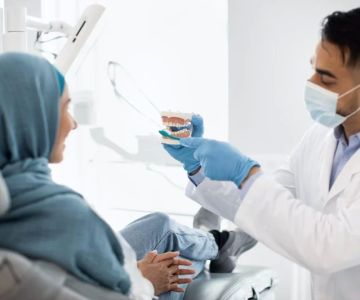
Dental care providers play a crucial role in educating patients about the significance of oral hygiene in healthcare. Dentists not only treat dental issues but also serve as educators, offering advice on how to maintain healthy teeth and gums. Whether it’s through regular cleanings, providing resources, or offering guidance on proper brushing and flossing techniques, dental professionals are key partners in the ongoing effort to promote overall health through oral care.
For patients, it’s essential to stay informed and ask questions about the best practices for maintaining oral health. Working with a trusted dental care provider ensures that you’re doing everything possible to protect your teeth and your body.
If you’re looking to learn more about maintaining good oral hygiene or need expert dental care, visit Family Dentistry Online for tips, advice, and the best services in dental healthcare.


 Absolute Dental - Flamingo4.0 (582 review)
 PERFECT SMILES DENTAL / Nguyen Katherine T DMD, FAGD5.0 (3 review)
 Catonfield Dental4.0 (561 review)
 Lifetime Family Dental PLLC0.0 (0 review)
 Western Dental & Orthodontics3.0 (328 review)
 Dentistry at 1818 Market Street4.0 (686 review)
 The Importance of Oral Health Education During Pregnancy for a Healthy Pregnancy
 Best Tips for Brushing Your Teeth Properly for Healthy Gums: Essential Techniques for Oral Health
 Why Skipping Dental Checkups Can Lead to Bigger Oral Health Problems
 Advantages of Porcelain Dental Restorations
 How Can Diabetes Cause Tooth and Gum Problems? Preventing and Managing Oral Health Issues
 Healthy Habits for Promoting Good Oral Health and Hygiene: Tips for a Healthy Smile