
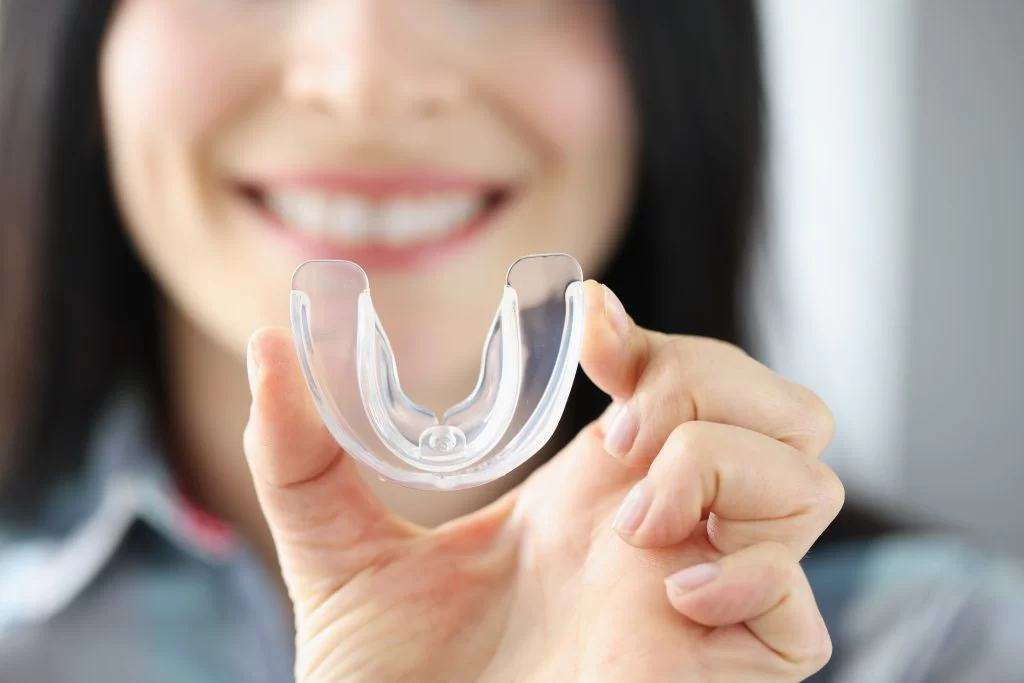
The Importance of Mouthguards for Athletes: Protection and Safety Benefits
- 1. Why Athletes Need Mouthguards
- 2. How Mouthguards Protect Athletes
- 3. Types of Mouthguards for Athletes
- 4. Common Sports Injuries Prevented by Mouthguards
- 5. Choosing the Best Mouthguard for Your Sport
- 6. Real-Life Stories of Mouthguard Effectiveness
1. Why Athletes Need Mouthguards
Mouthguards are a crucial piece of protective gear for athletes across many sports. Whether you're playing contact sports like football, hockey, or martial arts, or engaging in high-risk activities such as basketball or skateboarding, mouthguards are essential to safeguarding your oral health. They not only protect your teeth from trauma but also help reduce the risk of jaw injuries and concussions.
Despite their importance, many athletes underestimate the significance of wearing a mouthguard. The truth is, the potential for injury without proper mouth protection can lead to costly dental treatments and even long-term health issues. Wearing a mouthguard helps athletes perform with peace of mind, knowing their smiles are safe from harm.
2. How Mouthguards Protect Athletes
Mouthguards protect athletes in several ways, including:
- Teeth Protection: Mouthguards help prevent fractured or knocked-out teeth by acting as a cushion during impact. They absorb the force of blows, reducing the risk of severe dental damage.
- Jaw Protection: A good mouthguard helps minimize the risk of jaw fractures and dislocations by absorbing impact and distributing pressure evenly.
- Prevention of Soft Tissue Injuries: Mouthguards help prevent cuts, bruising, and damage to the lips, cheeks, and gums by cushioning the impact between the teeth and the soft tissues in the mouth.
- Reduced Risk of Concussions: Studies suggest that wearing a mouthguard may reduce the risk of concussions by stabilizing the head and jaw during sudden impacts.
By providing all these protections, mouthguards offer comprehensive safety to athletes, allowing them to focus on the game without worrying about the consequences of a sudden hit or fall.
3. Types of Mouthguards for Athletes
There are several types of mouthguards available, each with different benefits depending on your sport and comfort preferences:
- Stock Mouthguards: These are pre-formed and ready to use but often lack the best fit. While they provide basic protection, they can be bulky and uncomfortable.
- Boil-and-Bite Mouthguards: These mouthguards are softened in hot water and then molded to fit the athlete's teeth. They offer a better fit than stock mouthguards and are more comfortable, making them a popular choice.
- Custom-Fit Mouthguards: Custom-fit mouthguards are made by dental professionals using molds of the athlete's teeth. They provide the best fit, comfort, and protection but are more expensive than the other options.
The type of mouthguard you choose depends on your level of competition, comfort needs, and budget. For serious athletes, investing in a custom-fit mouthguard is often the best option for maximum protection and comfort.
4. Common Sports Injuries Prevented by Mouthguards
Mouthguards are particularly effective in preventing several common sports-related injuries:
- Tooth Fractures and Loss: High-impact sports like football, basketball, and hockey put athletes at risk of losing teeth or sustaining fractures. A properly fitted mouthguard acts as a shock absorber, significantly reducing the chance of such injuries.
- Jaw Fractures: The impact from a blow to the face can lead to jaw fractures. Mouthguards distribute the force of impact and help prevent these types of injuries.
- Soft Tissue Injuries: Cuts to the lips, gums, and cheeks are common in contact sports. A mouthguard helps shield these areas from the pressure of teeth grinding together during a collision.
- Concussions: While not a guarantee, mouthguards have been suggested to reduce the risk of concussions by absorbing some of the shock from head impacts.
Injuries like these can sideline athletes for weeks or even months, making mouthguards an invaluable tool for injury prevention.
5. Choosing the Best Mouthguard for Your Sport
When selecting a mouthguard, consider the following factors to ensure it suits your specific needs:
- Fit: A well-fitting mouthguard is crucial for comfort and protection. It should fit snugly over your teeth without being too tight or loose.
- Material: Look for mouthguards made from durable, shock-absorbent materials. Silicone, rubber, and EVA (ethylene-vinyl acetate) are common materials used in mouthguards.
- Sport-Specific Needs: Some sports have more intense physical contact than others, so choose a mouthguard that provides appropriate protection based on your activity.
For best results, consult with a dentist or sports specialist to ensure you’re selecting the best mouthguard for your sport and individual needs.
6. Real-Life Stories of Mouthguard Effectiveness
Many athletes have shared personal stories about how mouthguards helped them avoid serious injuries. For example, a high school football player in Texas recently avoided a potentially career-ending tooth fracture after wearing a custom-fit mouthguard during a tackle. He credited the mouthguard for preventing a blow that could have cost him a tooth and several months of recovery.
Another example involves a professional basketball player who experienced a hard collision during a game. While the impact caused a momentary loss of consciousness, the mouthguard helped absorb much of the shock, preventing any jaw or dental damage. These real-life stories showcase the critical role mouthguards play in protecting athletes across all sports.
For more information and to purchase your own custom-fit mouthguard, visit Dentistry Toothtruth.






 Monterey Hills Dental4.0 (94 review)
 Madison Oral Surgery & Dental Implants4.0 (661 review)
 Smile Academy Pediatric Dentistry4.0 (48 review)
 Eastern Dental3.0 (336 review)
 Dr. Jeffrey C. Klein DDS5.0 (11 review)
 Dr. David R. Vasquez, DDS5.0 (3 review)
 The Importance of Oral Health Education During Pregnancy for a Healthy Pregnancy
 Best Tips for Brushing Your Teeth Properly for Healthy Gums: Essential Techniques for Oral Health
 Why Skipping Dental Checkups Can Lead to Bigger Oral Health Problems
 Advantages of Porcelain Dental Restorations
 How Can Diabetes Cause Tooth and Gum Problems? Preventing and Managing Oral Health Issues
 Healthy Habits for Promoting Good Oral Health and Hygiene: Tips for a Healthy Smile