
- Understanding Bite Misalignment
- How Bite Misalignment Affects Your Oral Health
- Long-Term Consequences of Bite Misalignment
- Treatment Options for Bite Misalignment
Understanding Bite Misalignment
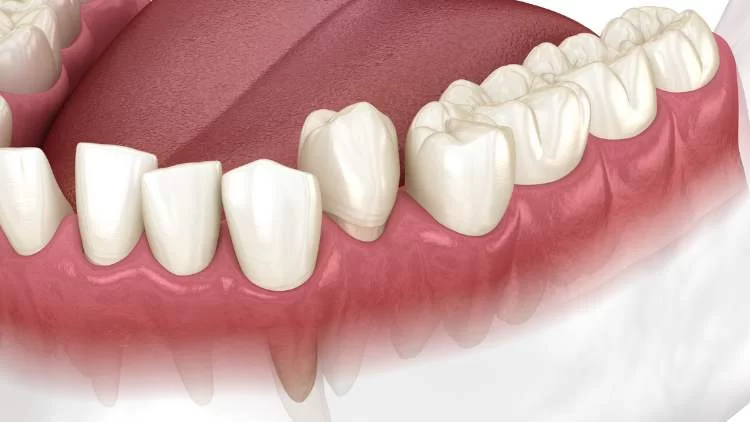
Bite misalignment, also known as malocclusion, refers to a condition where your teeth are not aligned properly when you bite down. This can occur when the upper and lower teeth do not meet correctly, causing uneven pressure and potentially affecting the overall function of the teeth and jaw. While some degree of misalignment is common, severe malocclusion can lead to several dental and health issues.
Bite misalignment can be caused by various factors, including genetics, thumb-sucking during childhood, jaw injuries, and even certain habits such as nail-biting. It's essential to address bite misalignment early, as untreated cases can lead to more severe oral health complications down the road.
How Bite Misalignment Affects Your Oral Health
While a slight misalignment might seem insignificant, even minor misalignment can lead to several problems that affect your oral health and overall well-being.
1. Increased Risk of Tooth Wear
When your teeth are not aligned properly, certain areas of your teeth may experience more pressure than others. This can lead to accelerated wear and tear, causing your enamel to break down faster. Over time, this can result in tooth sensitivity, cavities, and even cracks in the teeth.
2. Jaw Pain and Discomfort
Misalignment can also put strain on the jaw muscles and temporomandibular joint (TMJ), leading to discomfort, headaches, and even TMJ disorders. These issues often manifest as chronic jaw pain, clicking or popping noises when opening the mouth, and difficulty chewing or speaking.
3. Difficulty Chewing and Speaking
Severe bite misalignment can make it difficult to chew food properly or speak clearly. The uneven alignment of your teeth can interfere with your ability to bite down and chew effectively, leading to discomfort while eating. In some cases, the misalignment can even affect your speech, causing a lisp or other speech issues.
Long-Term Consequences of Bite Misalignment
If bite misalignment is not addressed, the long-term consequences can be significant. Over time, the stress placed on your teeth, gums, and jaw can lead to a host of more serious health problems.
1. Gum Disease
Misaligned teeth can make it harder to clean your teeth properly, especially in areas that are hard to reach. This can result in plaque buildup, which can lead to gum disease. Gum disease, in turn, can cause gum recession, tooth loss, and even impact your overall health, leading to conditions like heart disease.
2. Tooth Loss
Severe misalignment can lead to uneven tooth wear, putting certain teeth at risk for fractures and damage. This can ultimately result in tooth loss, which may require costly restorations such as implants or bridges.
3. Chronic Pain
Over time, the pressure caused by bite misalignment can lead to chronic pain in the jaw, neck, and even the shoulders. This ongoing discomfort can negatively impact your quality of life, affecting your ability to eat, speak, and even sleep.
Treatment Options for Bite Misalignment
Fortunately, bite misalignment can often be corrected with a variety of treatment options. The right treatment depends on the severity of the misalignment and your unique needs.
1. Braces
Braces are one of the most common solutions for correcting bite misalignment. Traditional metal braces, ceramic braces, or clear aligners like Invisalign can gradually move the teeth into proper alignment. These treatments can address a wide range of bite issues, from minor misalignments to more severe malocclusion.
2. Retainers
After the alignment has been corrected with braces, retainers are often used to ensure that the teeth stay in place. Retainers help maintain the new bite position and prevent the teeth from shifting back to their original misaligned state.
3. Jaw Surgery
In extreme cases of bite misalignment, jaw surgery may be necessary. This is typically reserved for individuals with significant jaw irregularities that cannot be corrected with braces alone. Jaw surgery can help realign the bones in the jaw, improving both function and appearance.
If you are experiencing symptoms of bite misalignment or want to learn more about treatment options, visit Dentistry Toothtruth for expert advice and solutions tailored to your needs.






 Smiles of Carpentersville3.0 (26 review)
 UCLA Venice Dental Center3.0 (41 review)
 Children's Dental FunZone - Pediatric Dentist & Orthodontist - Riverside4.0 (856 review)
 Perfect Teeth Dental & Orthodontics - Olive4.0 (384 review)
 Mid-State Orthodontics5.0 (15 review)
 Green Leaf Dental4.0 (349 review)
 The Importance of Oral Health Education During Pregnancy for a Healthy Pregnancy
 Best Tips for Brushing Your Teeth Properly for Healthy Gums: Essential Techniques for Oral Health
 Why Skipping Dental Checkups Can Lead to Bigger Oral Health Problems
 Advantages of Porcelain Dental Restorations
 How Can Diabetes Cause Tooth and Gum Problems? Preventing and Managing Oral Health Issues
 Healthy Habits for Promoting Good Oral Health and Hygiene: Tips for a Healthy Smile