
The Effect of Dry Mouth on Taste and Eating: How It Affects Your Enjoyment of Food
- What is Dry Mouth?
- Why Dry Mouth Affects Your Taste
- The Impact of Dry Mouth on Eating Habits
- How to Manage Dry Mouth and Improve Taste
- Expert Advice on Maintaining Oral Health
What is Dry Mouth?
Dry mouth, or xerostomia, occurs when your salivary glands don’t produce enough saliva. This condition can result from various factors, including medication side effects, dehydration, aging, or certain medical conditions. Saliva plays a crucial role in maintaining oral health, aiding in digestion, and helping with taste perception. When there isn't enough saliva, it can cause discomfort and lead to difficulty in eating, speaking, and tasting food.
Why Dry Mouth Affects Your Taste
Saliva is essential for dissolving food particles and delivering them to the taste buds. Without sufficient saliva, your taste buds may not be able to fully detect and enjoy the flavors of food. This leads to a dull or altered taste experience, making it harder to enjoy meals. Additionally, saliva helps wash away food debris, preventing the buildup of bacteria that could cause bad breath and further impair taste.
People with dry mouth may also notice that certain foods, especially salty, spicy, or sugary items, may taste stronger or more unpleasant than usual. This can contribute to a diminished appetite, causing individuals to avoid eating altogether or choose foods that are easier to consume.
The Impact of Dry Mouth on Eating Habits
When dealing with dry mouth, eating can become a frustrating experience. Those who suffer from this condition often find it difficult to chew and swallow food, as the lack of saliva can cause food to stick to the roof of the mouth or teeth. This may lead to a reluctance to eat, which can contribute to poor nutrition and weight loss.
Moreover, the inability to fully taste food can decrease the overall enjoyment of meals, making eating feel like a chore. This can affect social interactions as well, since dining with others is often a time for connection and enjoyment. For many people with dry mouth, the frustration of not being able to enjoy food like they once did can lead to a decline in their quality of life.
How to Manage Dry Mouth and Improve Taste
While dry mouth can be challenging, there are several ways to manage the condition and improve your experience with food:
- Stay Hydrated: Drinking plenty of water throughout the day helps keep your mouth moist and aids in the production of saliva. Avoid beverages that contain caffeine or alcohol, as these can worsen dry mouth.
- Use Saliva Substitutes: Over-the-counter saliva substitutes or mouth sprays can provide temporary relief by moistening your mouth and improving taste.
- Chew Sugar-Free Gum: Chewing gum stimulates saliva production, which can help alleviate dry mouth and enhance your ability to taste food.
- Maintain Good Oral Hygiene: Regular brushing, flossing, and using mouthwash can help prevent oral infections and maintain a healthy mouth, ensuring that taste buds are functioning properly.
If dry mouth persists or worsens, it’s important to consult a healthcare provider for further evaluation and treatment options. In some cases, underlying health conditions may need to be addressed to provide long-term relief.
Expert Advice on Maintaining Oral Health
According to dental professionals, maintaining oral health is key to preventing and managing dry mouth. Regular dental check-ups, proper hydration, and avoiding tobacco products are important steps in keeping your mouth healthy. Dentists may also recommend specific products designed to manage dry mouth, such as fluoride treatments or prescription saliva stimulants.
If you’re struggling with dry mouth, don't hesitate to seek expert advice. Managing your oral health not only improves your ability to taste food but also enhances your overall well-being.
To learn more about how to manage dry mouth and protect your oral health, visit Dentistry ToothTruth.






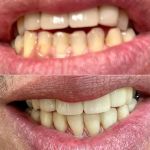 TK Dental Wayne, NJ | General, Cosmetic, Restorative Dentists. Dental Implants, Crowns, Bridges | Tatyana Kaminar DDS4.0 (139 review)
 CJ Dental4.0 (13 review)
 Goodman Dental (formerly Joshua Hong DDS)4.0 (217 review)
 Lino Lakes Family Dentistry5.0 (110 review)
 King of Prussia Dental Associates4.0 (113 review)
 Dr. Alison Seliger-Schamberg, DMD0.0 (0 review)
 The Importance of Oral Health Education During Pregnancy for a Healthy Pregnancy
 Best Tips for Brushing Your Teeth Properly for Healthy Gums: Essential Techniques for Oral Health
 Why Skipping Dental Checkups Can Lead to Bigger Oral Health Problems
 Advantages of Porcelain Dental Restorations
 How Can Diabetes Cause Tooth and Gum Problems? Preventing and Managing Oral Health Issues
 Healthy Habits for Promoting Good Oral Health and Hygiene: Tips for a Healthy Smile