
- 1-Understanding-Gum-Disease-in-Adults
- 2-Why-Busy-Professionals-Are-Often-at-Risk
- 3-Early-Signs-and-Symptoms-of-Gum-Disease
- 4-A-Real-Life-Story-About-Ignoring-Gum-Health
- 5-Treatment-and-Prevention-Strategies
- 6-Building-Long-Term-Oral-Health-Habits
1. Understanding Gum Disease in Adults
1.1 Why gum disease is more common than many people think
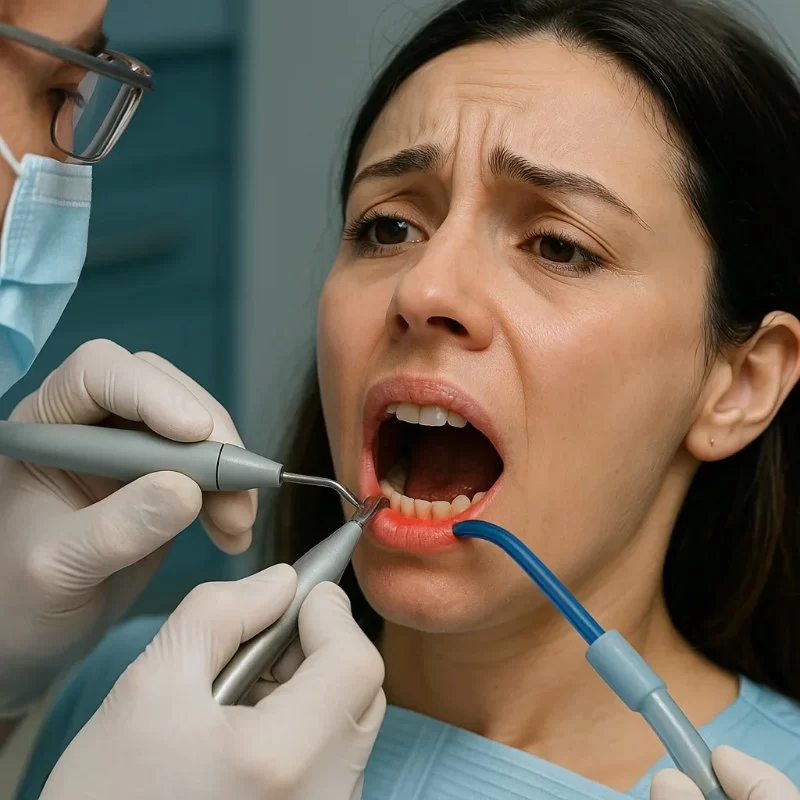
The phrase for Busy Professionals The Complete Guide to Gum Disease for Adults reflects a growing concern in modern healthcare. Gum disease, also called periodontal disease, affects millions of adults in the United States. Yet many people do not realize they have it until the condition has already progressed.
Gum disease begins with plaque buildup along the gumline. Plaque contains bacteria that irritate the gums and trigger inflammation. When left untreated, this irritation can gradually damage gum tissue and the bone that supports the teeth.
1.2 The stages of gum disease
Understanding how gum disease develops is an important step in prevention. The condition typically progresses through several stages:
1. Gingivitis, the earliest stage involving red or swollen gums
2. Early periodontitis, where gum pockets begin forming around teeth
3. Moderate periodontitis with deeper tissue damage
4. Advanced periodontitis, which may lead to tooth loss
The earlier gum disease is identified, the easier it is to manage and reverse.
2. Why Busy Professionals Are Often at Risk
2.1 Lifestyle patterns that affect oral health
Many dental professionals emphasize that gum disease is especially common among working adults with demanding schedules. Long work hours, frequent travel, and stress can disrupt daily oral care routines.
When people rush through mornings or return home late, brushing and flossing may not always receive the attention they deserve. Over time, these small habits can contribute to plaque accumulation and gum inflammation.
2.2 Stress and its connection to gum health
Stress is another factor that can indirectly influence gum disease. Chronic stress may weaken the immune system, making it harder for the body to fight infections. Since gum disease is essentially a bacterial infection of the gum tissue, stress can make symptoms worse.
This is one reason why dentists often emphasize preventive care, particularly for professionals balancing busy work schedules.
3. Early Signs and Symptoms of Gum Disease
3.1 Warning signs many adults overlook
One reason gum disease spreads quietly is that early symptoms are often mild. Many adults ignore small changes in their gums because they assume they are temporary.
Common early signs include:
1. Gums that bleed while brushing or flossing
2. Persistent bad breath
3. Red or swollen gum tissue
4. Increased tooth sensitivity
Recognizing these symptoms early can help prevent the condition from progressing.
3.2 Why regular dental checkups matter
Dental visits allow professionals to detect gum disease long before severe damage occurs. Dentists measure gum pocket depth, examine inflammation, and remove hardened plaque called tartar.
Many adults searching for for Busy Professionals The Complete Guide to Gum Disease for Adults often discover that consistent checkups play a key role in maintaining oral health.
4. A Real Life Story About Ignoring Gum Health
4.1 A lesson learned the hard way
A colleague once shared his experience with gum disease during a company wellness seminar. Like many professionals, he worked long hours and frequently traveled for meetings. Dental appointments were easy to postpone.
At first, he noticed occasional bleeding while brushing but assumed it was normal. Months passed before he finally scheduled a dental visit.
4.2 How early care changed the outcome
The dentist explained that he had developed early periodontitis. Fortunately, the condition had not yet caused permanent damage. After professional cleaning and improved oral hygiene habits, his gums gradually returned to a healthier state.
This experience highlighted how early intervention can make a major difference.
5. Treatment and Prevention Strategies
5.1 Professional dental treatments
If gum disease is detected, dentists may recommend several treatments depending on severity. These can include deep cleaning procedures such as scaling and root planing, which remove bacteria and plaque from below the gumline.
In more advanced cases, specialized periodontal treatments may be required.
5.2 Daily habits that protect gum health
Maintaining healthy gums usually comes down to consistent habits. Dental professionals commonly recommend:
1. Brushing teeth twice daily with fluoride toothpaste
2. Flossing once per day to remove plaque between teeth
3. Using antibacterial mouth rinse if recommended
4. Scheduling regular dental cleanings
Small daily routines can significantly reduce the risk of gum disease over time.
6. Building Long Term Oral Health Habits
6.1 Creating routines that fit a busy lifestyle
For working adults with demanding schedules, simplicity is key. Keeping a travel toothbrush, scheduling regular dental reminders, and maintaining consistent hygiene routines can help make oral care manageable.
Many professionals researching for Busy Professionals The Complete Guide to Gum Disease for Adults discover that prevention is far easier than treatment.
6.2 Finding reliable dental resources
Educational resources and professional guidance can make a major difference in maintaining oral health. Platforms such as Family Dentistry Online help individuals learn more about gum disease prevention, treatment options, and maintaining healthy dental routines.
Taking proactive steps today can protect gum health for years to come. By understanding the risks and maintaining consistent care, busy professionals can avoid many of the complications associated with periodontal disease.





 Fletcher Heights Dental Care, PC4.0 (55 review)
 Dr. Aaron Ivanhoe0.0 (0 review)
 Dentist Pasadena - Walnut Hill Dental - Cosmetic Dentist Pasadena CA4.0 (61 review)
 Eastern Dental4.0 (551 review)
 Highland Dental Group and Orthodontics4.0 (283 review)
 Dee for Dentist4.0 (173 review)
 The Importance of Oral Health Education During Pregnancy for a Healthy Pregnancy
 Best Tips for Brushing Your Teeth Properly for Healthy Gums: Essential Techniques for Oral Health
 Why Skipping Dental Checkups Can Lead to Bigger Oral Health Problems
 Advantages of Porcelain Dental Restorations
 How Can Diabetes Cause Tooth and Gum Problems? Preventing and Managing Oral Health Issues
 Healthy Habits for Promoting Good Oral Health and Hygiene: Tips for a Healthy Smile