
- Understanding-dental-treatment-for-adults
- Benefits-of-dental-treatment-for-adults
- Risks-of-dental-treatment-for-adults
- Long-term-results-of-dental-treatment
- How-to-choose-dental-treatment-for-adults
- Real-life-experiences-and-benefits-from-dental-treatment
- Tips-for-maintaining-dental-health-long-term
1. Understanding Dental Treatment for Adults
As we get older, dental care becomes even more essential. I’ve found that many adults often overlook the importance of regular dental checkups and treatments, thinking that oral health issues are something that only affects children or the elderly. However, adults face unique challenges that can impact their oral health, such as gum disease, tooth decay, and tooth sensitivity.
What’s important to understand is that dental treatment for adults goes beyond just fillings and cleanings. It’s about maintaining a healthy smile throughout life, preventing problems, and addressing any concerns that arise as you age.
1.1 Common Dental Problems in Adults
As an adult, you might experience specific dental issues that are often linked to aging or lifestyle choices. Here are some of the most common concerns:
1.1.1 Gum Disease
Gum disease is one of the leading causes of tooth loss in adults. It’s often linked to poor oral hygiene, smoking, or underlying health conditions like diabetes. Regular visits to the dentist help detect gum disease early, preventing further complications.
1.1.2 Tooth Decay
While tooth decay can affect people of all ages, it’s especially common in adults due to a variety of factors such as dry mouth, which becomes more prevalent as we age. Tooth decay can also be a result of dietary habits and poor dental hygiene practices.
2. Benefits of Dental Treatment for Adults
Investing in dental treatment as an adult comes with long-term benefits that improve not only your oral health but also your overall well-being. Here are some of the key benefits:
2.1 Prevention of Serious Health Issues
Regular dental visits help identify problems before they become severe. I’ve learned that addressing dental issues early can prevent costly and painful procedures later on. For example, regular cleanings can help prevent cavities from progressing into root infections that require more invasive treatments.
2.1.1 The Link Between Oral Health and Overall Health
Studies have shown that poor oral health can contribute to other serious health conditions, such as heart disease and diabetes. By maintaining good dental health, adults can reduce the risk of these complications. I’ve personally seen how improving dental hygiene leads to better overall health.
2.2 Boosted Confidence and Self-Esteem
A healthy, beautiful smile can make a significant difference in how you feel about yourself. Dental treatments, such as teeth whitening or restorative procedures, can boost your confidence, making you feel more comfortable in social and professional settings. This has been a huge benefit for many adults who have undergone cosmetic dental treatments.
2.3 Better Quality of Life
Dental treatments, especially restorative ones like crowns, bridges, or implants, allow adults to chew and speak comfortably. This contributes to a better quality of life, reducing the pain or inconvenience caused by missing or damaged teeth.
3. Risks of Dental Treatment for Adults
While dental treatment provides a wide range of benefits, it’s important to understand the risks involved. I’ve spoken with several dental professionals who emphasize the importance of making informed decisions when choosing the right dental treatment for your needs.
3.1 The Risk of Infection
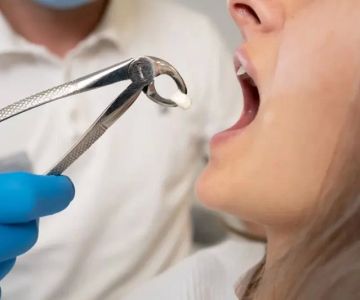
Any invasive dental procedure, such as tooth extraction or surgery, carries the risk of infection. That’s why it’s important to follow your dentist’s instructions on post-procedure care and attend follow-up appointments to ensure that no complications arise.
3.1.1 How to Minimize Infection Risk
To minimize the risk of infection, maintaining good oral hygiene and following prescribed care protocols after treatment are crucial steps. For instance, I always make sure to avoid eating hard or sticky foods after oral surgeries to avoid irritating the wound and increase healing chances.
3.2 Sensitivity After Treatment
After certain dental treatments, such as fillings or teeth whitening, some adults experience increased tooth sensitivity. This can make eating or drinking hot or cold foods uncomfortable.
3.2.1 How to Manage Sensitivity
If you experience sensitivity after treatment, using desensitizing toothpaste and avoiding acidic foods can help alleviate discomfort. Your dentist may also recommend specific treatments to reduce sensitivity.
4. Long-Term Results of Dental Treatment
One of the most important factors I’ve learned is that the benefits of dental treatment extend far beyond just the immediate effects. With the right care and maintenance, adults can enjoy the long-term advantages of dental procedures.
4.1 Maintaining a Healthy Smile for Life
The goal of dental treatment for adults is to ensure that you can maintain a healthy, functional smile for as long as possible. Through a combination of preventive care, restorative procedures, and regular checkups, I’ve seen how many people can retain their teeth and oral function well into old age.
4.1.1 The Role of Preventive Care
Preventive care plays a critical role in ensuring that dental treatments provide long-lasting results. By brushing, flossing, and visiting the dentist regularly, adults can reduce the need for complex dental procedures.
4.2 The Value of Restorative Treatments
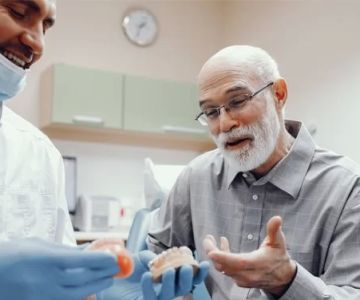
For adults who have lost teeth or experience severe decay, restorative treatments like implants, bridges, or dentures offer long-term solutions. These treatments can restore not only the function of your mouth but also your self-esteem and overall health.
5. How to Choose Dental Treatment for Adults
Choosing the right dental treatment is crucial to ensuring both short-term and long-term success. I’ve found that the best approach is to consult with a dentist who can evaluate your specific needs and offer personalized recommendations.
5.1 Understand Your Needs and Goals
Before choosing any treatment, it’s important to have a clear understanding of what you want to achieve. Whether it’s simply improving oral health or undergoing cosmetic procedures, setting clear goals will help guide the treatment process.
5.2 Consider Your Budget and Insurance
Dental treatments can vary greatly in cost, depending on the procedure. It’s essential to consider your budget and whether your insurance covers the treatment options you need. Many dental practices offer financing options, which can make more expensive procedures more affordable.
6. Real-Life Experiences and Benefits from Dental Treatment
Real-life experiences provide invaluable insights into the impact of dental treatments. I’ve heard from many individuals who have shared how dental work has not only improved their oral health but also had a profound effect on their lives.
6.1 A Story of Restorative Treatment
One friend of mine, Lisa, had struggled with a chipped tooth for years. After getting a crown, she felt a noticeable boost in her confidence and no longer avoided smiling in photos. This simple restorative treatment helped her feel better about her appearance and allowed her to eat without discomfort.
7. Tips for Maintaining Dental Health Long-Term
To ensure long-term success with your dental treatments, consider the following tips:
7.1 Regular Dental Checkups
Visiting the dentist regularly for checkups and cleanings is essential. I’ve personally found that a simple cleaning every six months prevents larger issues from developing.
7.2 Practice Good Oral Hygiene at Home
Brushing twice a day, flossing, and using mouthwash can go a long way in maintaining a healthy mouth. I’ve also found that using fluoride toothpaste helps strengthen tooth enamel and prevent cavities.
If you’re looking for personalized dental care and expert recommendations, visit Family Dentistry Online to explore top-rated dental services and products tailored to your needs. Investing in your oral health now will pay off in the long run!



 Helene M. Dolce, DDS4.0 (136 review)
 Cal Dental of Van Nuys4.0 (109 review)
 1st Family Dental of Fox Valley4.0 (361 review)
 Polaris Dental Care4.0 (170 review)
 Nuttall Smiles4.0 (424 review)
 Dr. Christian E. Miller, DDS5.0 (5 review)
 The Importance of Oral Health Education During Pregnancy for a Healthy Pregnancy
 Best Tips for Brushing Your Teeth Properly for Healthy Gums: Essential Techniques for Oral Health
 Why Skipping Dental Checkups Can Lead to Bigger Oral Health Problems
 Advantages of Porcelain Dental Restorations
 How Can Diabetes Cause Tooth and Gum Problems? Preventing and Managing Oral Health Issues
 Healthy Habits for Promoting Good Oral Health and Hygiene: Tips for a Healthy Smile