
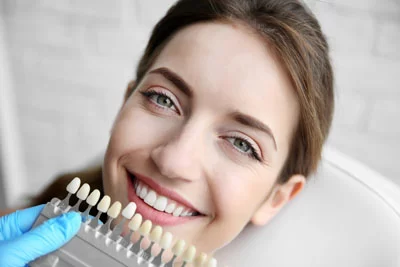
Which Teeth Whitening Method is Right for You?
We've all been there — staring at ourselves in the mirror, wishing for a brighter smile. Over the years, I’ve tried several teeth whitening methods, from store-bought products to professional treatments, and I’ve learned a lot along the way. Teeth whitening has become an incredibly popular way to enhance one’s appearance, but with so many options out there, it can be difficult to decide which one to go for. Today, I’ll share my experiences with different whitening methods, highlighting the pros and cons of each, so you can make an informed decision that suits your needs and lifestyle.
Professional Teeth Whitening
Let’s start with the gold standard — professional teeth whitening. This method involves visiting a dentist, who uses strong bleaching agents under controlled conditions to whiten your teeth. I remember the first time I went to a dentist for whitening, I was both excited and a little nervous. But I quickly learned that professional whitening provides some of the most immediate and noticeable results. The treatment is usually done in just one visit, which is a big plus if you’re looking for a quick fix.
Pros of Professional Whitening
1. Fast Results: The most obvious benefit is that the results are noticeable right away. After just one session, your teeth can be several shades lighter. This is perfect if you have an important event coming up, like a wedding or a job interview.
2. Safe and Effective: The treatment is carried out by professionals who can ensure that the procedure is safe. The risk of gum irritation or enamel damage is minimal since dentists apply a protective barrier to your gums and use carefully measured whitening agents.
3. Long-Lasting Results: Professional whitening can last for months, depending on your oral habits. I’ve personally noticed that my teeth stayed bright for a lot longer than any at-home treatment I’ve used.
Cons of Professional Whitening
1. Higher Cost: One downside is the price. Professional whitening is more expensive than at-home methods, and if you’re on a budget, this might be a concern.
2. Potential Sensitivity: Some people experience tooth sensitivity after professional whitening, although it’s usually temporary. In my case, I felt a bit of discomfort the first few hours, but it went away quickly.
3. Time Commitment: While the process is relatively quick, you do need to take time out of your schedule to visit the dentist. If you’re someone with a tight schedule, this might not be the most convenient option.
At-Home Whitening Products
If you’re looking for a more affordable and flexible option, at-home whitening products may be the way to go. These include whitening toothpaste, strips, gels, and even trays that you can use in the comfort of your own home. I’ve tried several of these myself, and while they might not offer the instant results of professional whitening, they can still be effective over time.
Pros of At-Home Whitening
1. Affordable: At-home whitening products are much cheaper than professional treatments, which is a huge plus if you’re on a tight budget. I personally like how I can stock up on whitening toothpaste and strips without breaking the bank.
2. Convenient: One of the best things about at-home whitening is that it fits into your schedule. Whether you’re brushing your teeth with a whitening toothpaste or applying strips while watching TV, it’s a very convenient process. I found it easy to incorporate into my daily routine.
3. Variety of Products: There are so many different products to choose from, which means you can find one that fits your preferences and needs. From whitening toothpastes to customizable trays, the options are endless.
Cons of At-Home Whitening
1. Slower Results: Unlike professional whitening, at-home products can take several weeks to show noticeable results. I used whitening strips for a few weeks before seeing any significant change, which was a bit disappointing.
2. Risk of Overuse: When using products like whitening strips or gels, it’s easy to overdo it. I remember one time I used whitening strips for longer than recommended, which led to some gum irritation and sensitivity. It’s important to follow the instructions carefully.
3. Less Effective on Stubborn Stains: If you have more stubborn stains or discoloration, at-home products might not be strong enough to provide the results you're looking for. This is something I noticed when using a whitening toothpaste — while it helped brighten my teeth, it didn’t have much effect on deeper stains.
Natural Teeth Whitening Methods
For those who prefer a more natural approach, there are various DIY whitening methods that people swear by, such as oil pulling with coconut oil or brushing with baking soda. While I’ve tried a few of these methods myself, I’ve found that they don’t always provide the dramatic results that many people expect.
Pros of Natural Whitening
1. Cost-Effective: Natural whitening methods are often inexpensive or even free. Oil pulling, for example, only requires coconut oil, which most of us have in our kitchens.
2. Fewer Chemicals: For those who are concerned about the chemicals in commercial whitening products, natural methods offer a more organic approach. I’ve always liked the idea of using natural substances like baking soda, which has mild abrasive properties to help scrub away surface stains.
Cons of Natural Whitening
1. Limited Results: Natural methods, in my experience, don’t provide the same level of whitening as professional treatments or even at-home products. I’ve tried oil pulling, but while it may help with overall oral health, it didn’t do much to whiten my teeth.
2. Time-Consuming: Some natural methods, like oil pulling, require a significant amount of time. You need to swish the oil in your mouth for up to 20 minutes — which is not exactly convenient for someone with a busy schedule like mine.
3. Unpredictable Results: The results of natural whitening methods can vary widely from person to person. Some people swear by them, while others, like myself, see little to no difference.
Making the Right Choice for Your Smile
Ultimately, the best teeth whitening method for you depends on your specific needs, budget, and the amount of time you’re willing to invest. I’ve found that professional whitening is great for fast results, but it’s not always practical for everyone. At-home products can be a great middle ground, offering convenience and affordability, while natural methods are appealing for those looking for a chemical-free option, though they may not be as effective. No matter which option you choose, the key is to be consistent and mindful of your oral health to keep your smile looking its best!





 Lakewood Dental Care4.0 (12 review)
 Canton Pediatric Dentistry & Orthodontics4.0 (387 review)
 Precision Dental Partners4.0 (41 review)
 Dentists of South Pasadena4.0 (124 review)
 Plymouth Greene Dental4.0 (263 review)
 Valerie Barba, DDS, FAGD5.0 (218 review)
 The Importance of Oral Health Education During Pregnancy for a Healthy Pregnancy
 Best Tips for Brushing Your Teeth Properly for Healthy Gums: Essential Techniques for Oral Health
 Why Skipping Dental Checkups Can Lead to Bigger Oral Health Problems
 Advantages of Porcelain Dental Restorations
 How Can Diabetes Cause Tooth and Gum Problems? Preventing and Managing Oral Health Issues
 Healthy Habits for Promoting Good Oral Health and Hygiene: Tips for a Healthy Smile